Excerpt from the Repubblica article 'Miles Davis, 25 years ago the jazz genius died'. By Paolo Russo on 28 September 2016.
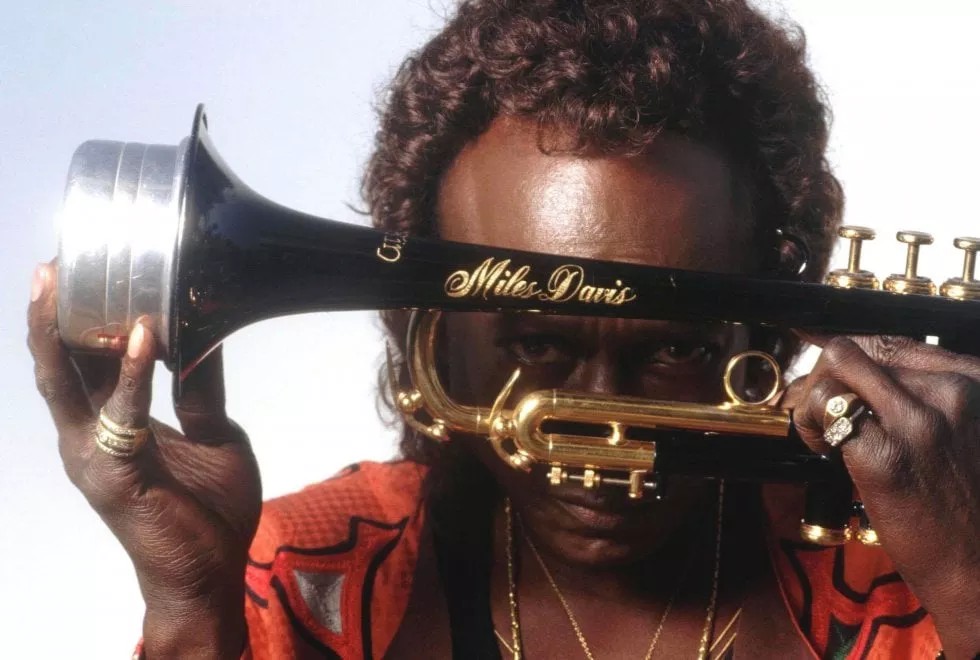
Nothing cooler than Miles Davis anytime, anywhere.
A quarter of a century has already passed since Miles Davis's death. But nothing seems to have changed: his presence — like that of Jelly Roll Morton, Scott Joplin, Beiderbecke, King Oliver, Armstrong, Ellington, Monk, Coltrane and Ornette Coleman, to name just a few — is one of those presences that never pass, nor even fade, in the flow of time. It's as if they remained outside of it. In fact, that's exactly what they do: the common destiny of all classics. For whom rankings make no sense: in those lands, only personal taste counts; any choice in those skies has the right to citizenship.
On 28 September 1991 Miles Davis died in Santa Monica, California. Along with Louis Armstrong and Duke Ellington, he was the most important jazz musician (and beyond) of the last century. With his music, he defined the boundaries of countless styles (from bebop to cool), he 'invented' jazz rock and, in the final years of his career, he also sought a synthesis with the worlds of rap and hip hop. A true musical genius of the twentieth century. "People like to listen to music and think about what they want," he declared. "When you play the way we play, you can think about whatever you want... or just relax."
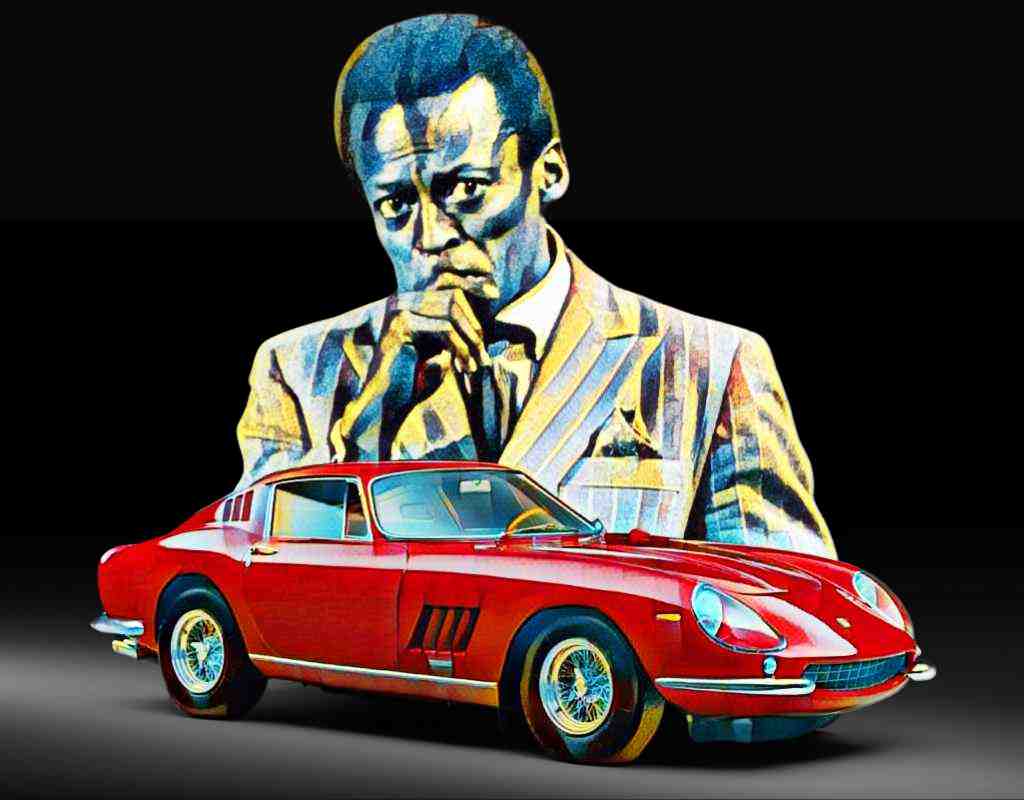
Miles Davis and his Ferrari 275 GTB.
That dandy who loved Ferraris. Fate had not only awaited him but, as it does with the gods' most beloved children, had also arranged a date for him. With the man who would become his first great mentor and companion, Bird, with whom, despite a most bitter end, he would eventually record some crucial albums. At that meeting, Davis had shown up punctually, like a lover on his first date with his beloved. And, one might imagine, given his passion for Italian and well-tailored clothing — which at the time and for a long time afterward he was perhaps the only one in the scene who could afford it — he was decked out in the supercool dandy style he would remain for the rest of his life. Always histrionically original in reinventing or inventing fashion canons to his own advantage. Even the circus-like and unique kitsch he embraced from the '70s onward. In the mid-1950s, when jazz greats were still barely scraping by, Miles combined his passion for Italian-made clothing with a passion for cars, buying his first Ferrari. But it wasn't enough to ease his resentment for what he considered, to his very end, a gross, offensive underestimation of his talent. It was the perfect fuel for his countless contractual battles, including with the major labels, especially Columbia first and, from 1985, Warner, the two most important labels in his vast discography.
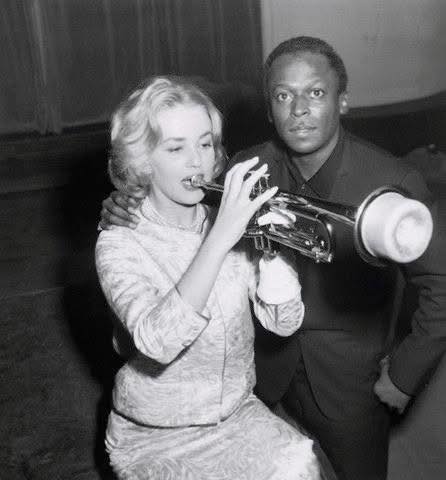
US trumpet player Miles Davis gives a lesson to French actress and singer Jeanne Moreau in Paris on 05 December 1957. Davis was asked by French director Louis Malle to improvise a music for his film ‘Elevator to the Gallows’ in which Jeanne Moreau plays.
Too difficult and self-contained, Miles would never be lucky in love, even though, charming and unapproachable as he was, he had legions of beautiful women at his feet. Aside from the beautiful Cicely Tyson, married twice and who was decisive in his battle against cocaine and depression, there was only one exception, obviously fatal: his passionate love, completely reciprocated, with Juliette Greco, which blossomed in 1949 when he was in France with Tadd Dameron's magnificent orchestra.
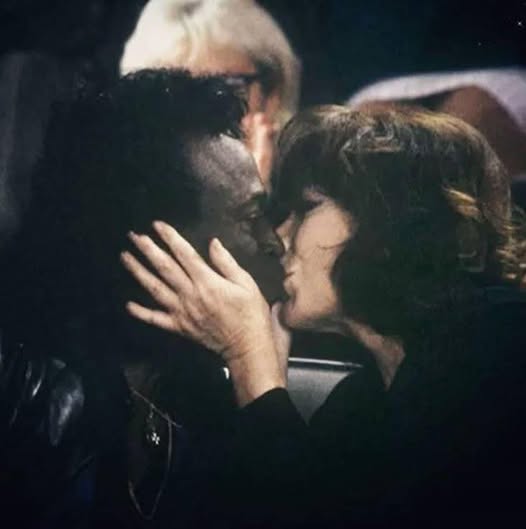
Miles Davis kissing Juliette Gréco.
In 2006, they even gave him a seat in the Rock and Roll Hall of Fame. A belated and unnecessary recognition. One that the grumpy Divine Miles most likely wouldn't have even gone to collect. He was completely absorbed in searching, as he certainly would have been had he lived that long, for something new to make his own. And ours.
Bio: Miles Davis. By Supercar Nostalgia on 30 March 2021.
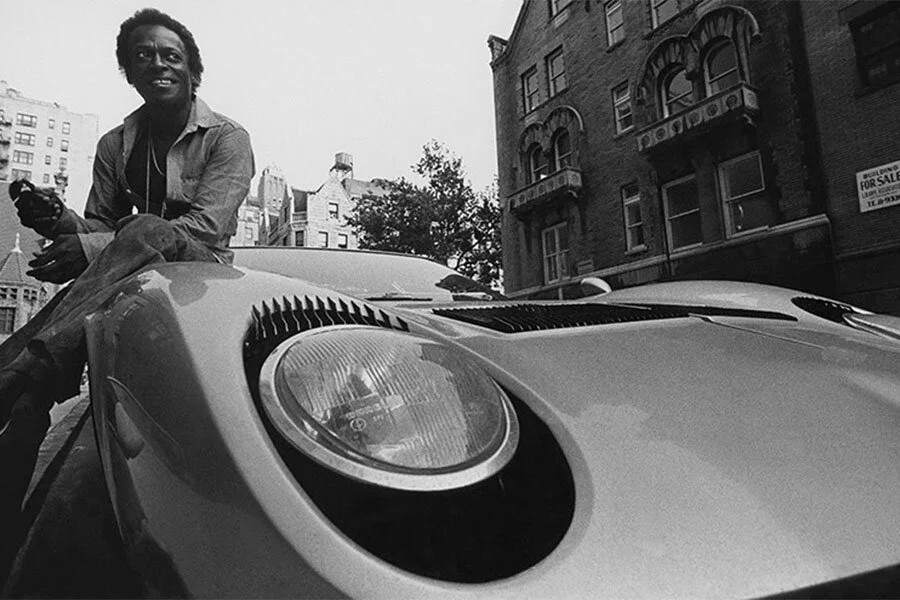
Miles Davis on a Lamborghini Miura.
Miles Davis was born in Alton, Illinois, on May 26th 1926. He went on to become one of the most influential and acclaimed figures in jazz history.
Davis was raised in East St. Louis by his mother, a music teacher and his father, a dentist. He received his first trumpet in 1935 as a gift from a friend of his father.
Young Miles Davis began to take lessons and music soon became the most important thing in his life.
On his 13th birthday, Davis received a new trumpet from his father and started to play in local bands.
During his high school years, Davis filled a vacant spot in the Rhumboogie Orchestra and quickly became the band’s musical director. Soon afterwards, legendary saxophonist, Sonny Stitt, tried to persuade Davis to join the Tiny Bradshaw band which was passing through town. However, Davis’s mother insisted he finish high school.
Davis graduated in January 1944. In July, his girlfriend gave birth to his first child, a daughter. That same month Davis filled in for Billy Eckstine’s trumpeter when they visited St. Louis. Davis performed with the band for two weeks and subsequently decided to head for New York to pursue a career in music. He joined the Institute of Musical Arts in September 1944, but frequently missed classes to jam with club regulars at Minton’s and Monroe’s in Harlem.
Davis failed to register for the autumn term of his course in mid 1945 because he wanted to play full-time. He began to perform at clubs and, in April 1945, recorded as a session musician for Herbie Field’s band.
Later that year, he recorded as the Miles Davis Sextet and replaced Dizzy Gillespie in Charlie Parker’s quintet, Reboppers.
Over the next couple of years, Davis continued to play with Eckstine and Parker and also began collaborations with Benny Carter, Charles Mingus and Dizzy Gillespie.
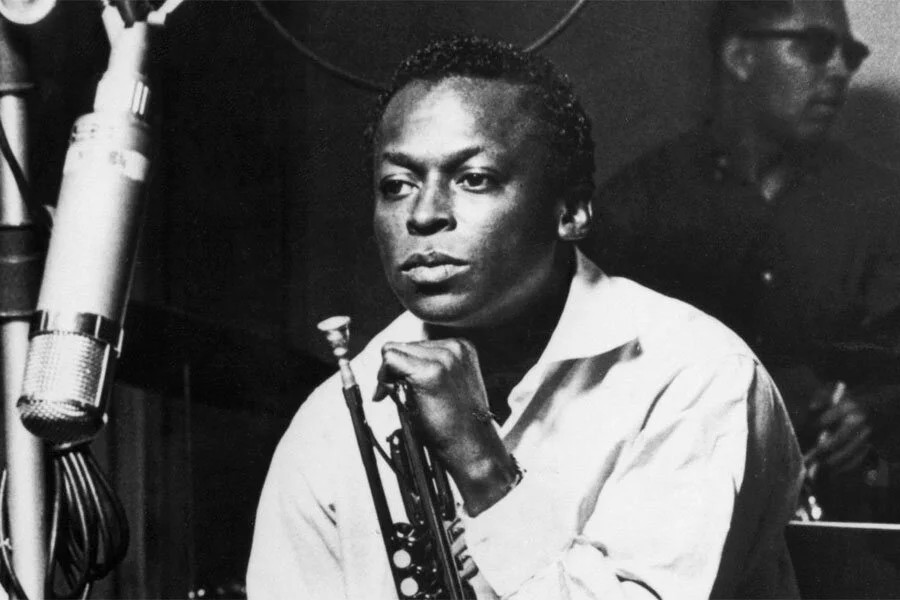
Miles Davis.
In August 1947, Davis had his first studio session as a band leader with the Miles Davis All Stars. The outfit signed a recording contract with Capitol for a series of singles, but the All Stars had disbanded by the end of 1949.
For a while, Davis found little work and became depressed. Heroin use became an expensive problem which caused a further reduction in employment. Things improved in 1951 when he signed a recording contract with Prestige but, for the next few years, money was still tight.
Having spent time back home in St. Louis and also in Detroit, Davis returned to New York fit and well in February 1954. Prestige granted him a new contract which was followed in July 1955 by a long-term deal with Columbia Records.
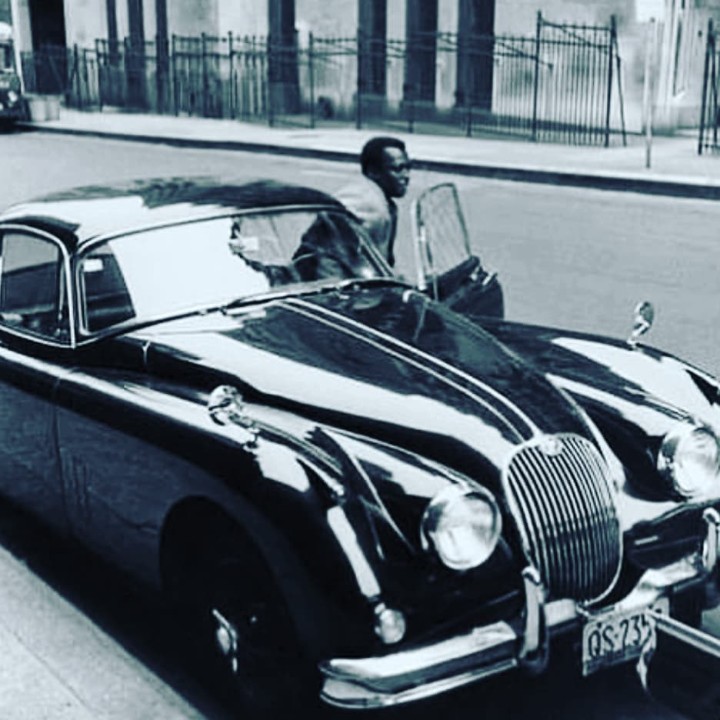
Miles Davis and his Jaguar XK150.
Davis was given a $4000 advance from Columbia and immediately went out and purchased a Mercedes-Benz 190 SL which was soon followed by a Jaguar XK150.
Davis still had four albums to produce for Prestige so the deal was that his recordings for Columbia would remain unreleased until his agreement with Prestige expired.
During the second half of the 1950s, Davis typically released three or four albums every year.
Between March and April of 1959, Davis created his seminal work, Kind of Blue. Hailed as a masterpiece of modern music, it featured a number of superb performers at the height of their powers: John Coltrane appeared on tenor saxophone, Julian ‘Cannonball’ Adderley on alto saxophone, Bill Evans and Wynton Kelly on piano, Paul Chambers on bass and Jimmy Cobb on drums. Most of the five track record was sealed in one take.
Kind of Blue was released to critical acclaim in August 1959 and went on to become the bestselling jazz record of all time.
In December 1959, Davis married Frances Taylor, a dancer he had met in Los Angeles in 1953.
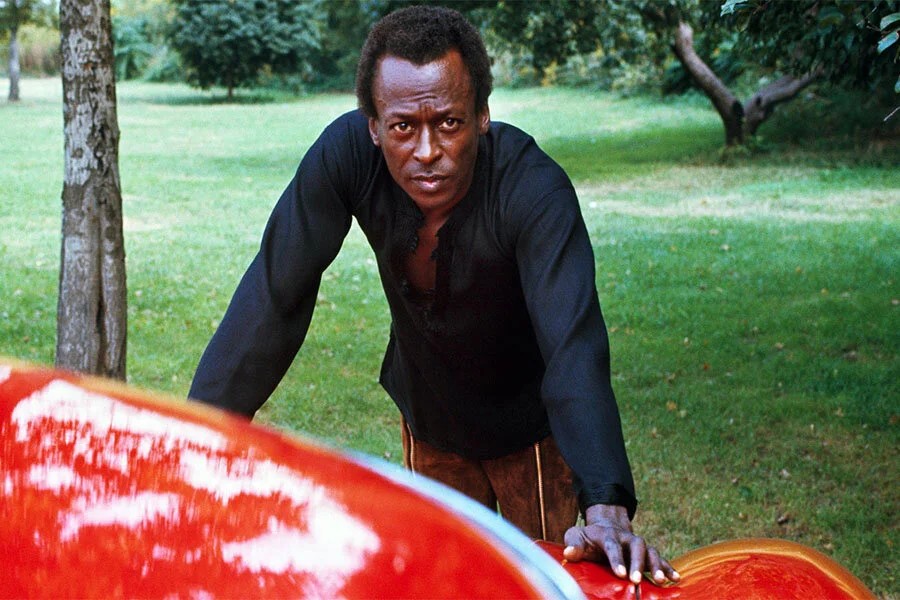
Miles Davis and his love for cars.
With his new found wealth, Davis was able to indulge his passion for high end sports cars. He acquired a Ferrari 250 GT Spyder California which was followed by a 250 GT Berlinetta Lusso. Davis loved to drive fast and US Ferrari importer, Luigi Chinetti, reputedly tried to convince him to try his hand at racing.
By 1963, Davis was using a considerable quantity of alcohol and cocaine to reduce joint pain caused by sickle cell anaemia. Davis became temperamental and jealous.
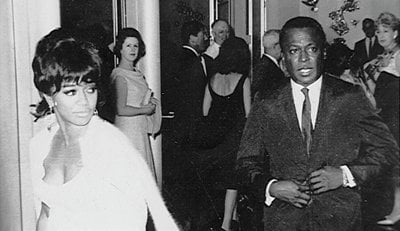
Frances Taylor was Miles Davis's wife and muse.
His relationship with Taylor involved numerous incidents of domestic violence and she filed for divorce in 1966.
During the 1960s, Davis made a series of more abstract recordings that helped pioneer the post-bop genre as he transitioned to an electric period.
In 1967, Davis purchased a Ferrari 275 GTB/4 from Luigi Chinetti. Soon afterwards, the Ferrari was joined by a Lamborghini Miura P400.
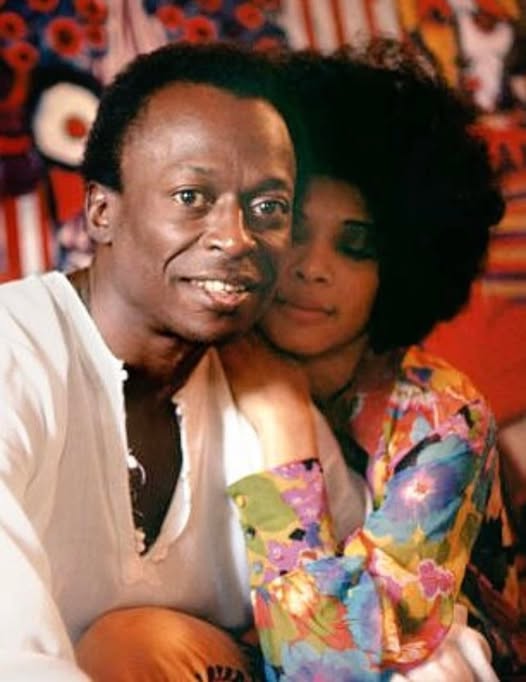
Miles Davis and Betty Davis at their home in New York in October 1969. Photo by Baron Wolman.
In September 1968, Davis married his second wife, the model and songwriter, Betty Mabry. Mabry introduced Davis to a number of popular rock, soul and funk musicians. However, the two divorced in 1969 after Davis accused Mabry of having an affair with Jimi Hendrix.
Between August 1969 and January 1970, Davis worked on what would become his second biggest selling album, Bitches Brew.
Early in October 1969, Davis performed a show at Brooklyn’s Blue Coronet club. Afterwards, he attempted to drive a female companion home to his apartment on East 13th Street. His red 275 GTB/4 had been parked out the front of the club and was easy to spot by three armed men who emerged from a gypsy cab and fired five shots into the Ferrari. One grazed Davis’s hip but he and his friend were otherwise uninjured. Most of the bullets were trapped in the car.
Davis later wrote in his autobiography “I later found out that the reason I had been shot was because some black promoters in Brooklyn hadn’t liked the fact that white promoters were getting all the bookings. When I played the Blue Coronet that night, they thought I was being an asshole by not letting the black promoters do the booking.”
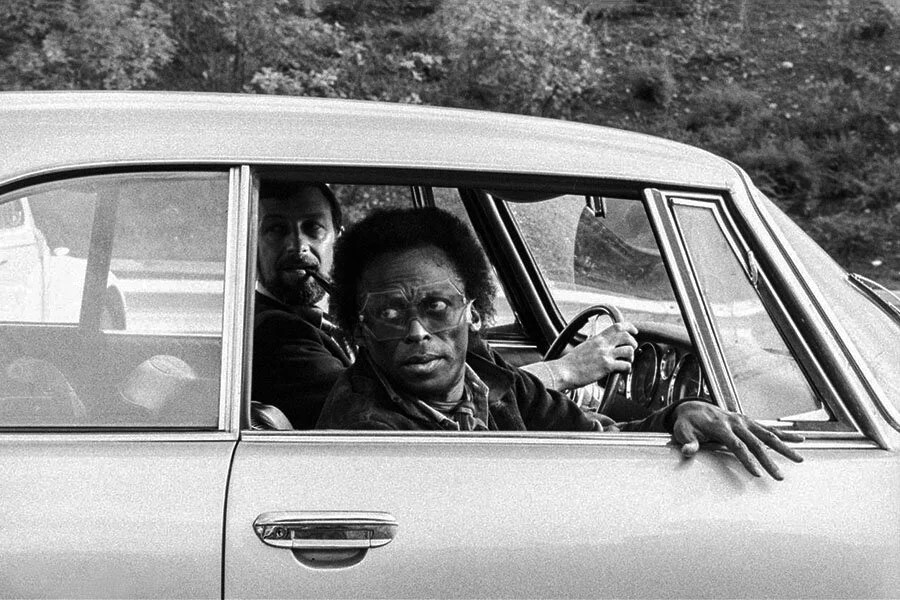
Miles Davis in a car.
Davis subsequently took to driving around New York with a 357 Magnum and a set of brass knuckles. He was arrested with the latter in the 275 GTB/4 during 1970.
The release of Bitches Brew in April 1970 helped spark a resurgence in the commercial popularity of jazz.
Davis continued to tour extensively and often liked to be driven in a Ferrari by his tour manager, Bobby Leiser. During the 1970s, he experimented with rock, funk, African rhythms and electronic music.
In 1972, Davis was involved in a serious car accident with his green Lamborghini. While driving in wet conditions under influence of cocaine, he crashed the Miura when trying to turn left across three lanes of the West Side Highway in Manhattan. The car hit an exit ramp and was heavily damaged. Davis broke both ankles and was hospitalised for several weeks. He didn’t play publicly for almost a year. The wrecked Miura is believed to have been replaced with a Ferrari 365 GTB/4.
Despite his ongoing success, by the mid 1970s, Davis was troubled by a number of health issues to include pneumonia, osteoarthritis, stomach ulcers and the aforementioned sickle-cell anaemia, He frequently relied on alcohol, codeine and morphine to get through his engagements.
In 1975, he retired from the music business owing to ill-health. Over the next few years he led a fairly reclusive lifestyle in New York as his dependency on alcohol and cocaine worsened.
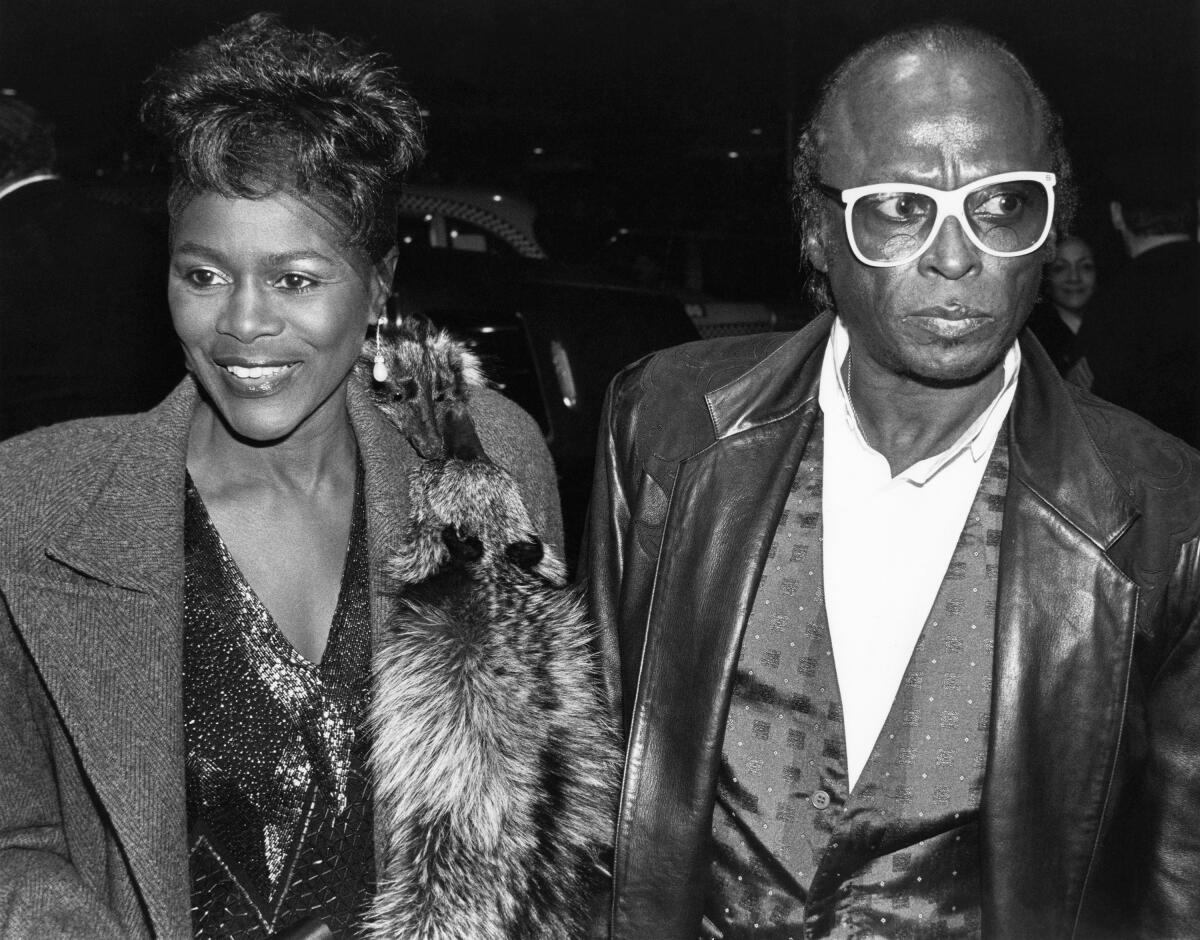
Starting in the mid-1960s, Cicely Tyson had a decades-long, on-again, off-again romance with trumpeter Miles Davis that peaked with their 1981 marriage and ended in a 1989 divorce. Behind the scenes it was a turbulent relationship, according to both, but during their time in the spotlight, they were one of the most striking, stylish couples in America.
By 1979, Davis had begun a relationship with actress, Cicely Tyson, with whom he overcame his cocaine addiction and rekindled his enthusiasm for music.
In October 1979, Davis’s contract with Columbia (who had continued to pay him large advances) was renewed and the 1980s garnered his highest level of commercial recognition.
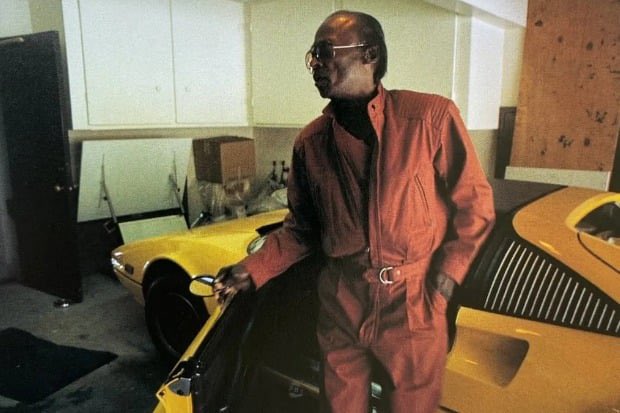
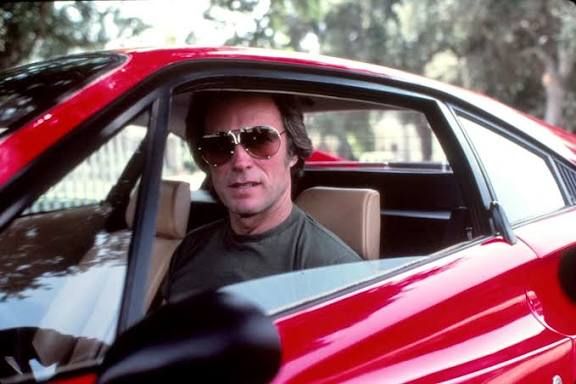
Miles Davis with his yellow 1980 Ferrari 308 GTSi.
Davis also returned to his love of European sports cars; he purchased a Ferrari 308 GTS and Jaguar XJS.
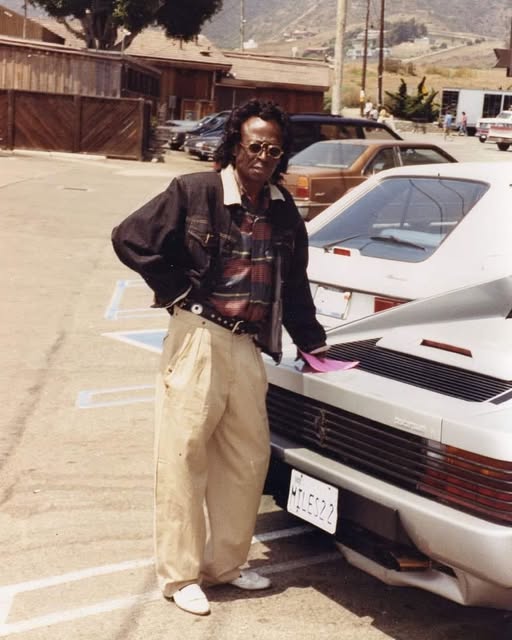
Miles Davis and his 1987 Ferrari Testarossa with the Californian license plate MILES22.
Miles Davis continued to record and perform up to his death. He died from the combined effects of a stroke, pneumonia and respiratory failure on September 28th 1991. He was 65 years old.
Text copyright: Supercar Nostalgia
Photo copyright: unattributed
In October 1969, a red Ferrari cut through the industrial landscape of New York’s West Side Highway. Behind the wheel sat one of the most influential musicians of the twentieth century, Miles Davis. By Rosso automobili on 13 March 2026.
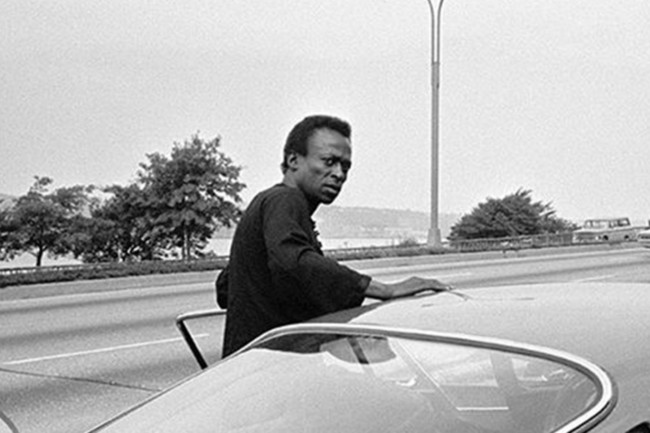
Miles Davis getting ready to drive his Ferrari 275 GTB.
The car was the Ferrari 275 GTB 4 chassis 10669. The photographer was Baron Wolman.
Who was Miles Davis?
Miles Davis was born in 1926 and became one of the most influential figures in jazz history. Across five decades, he constantly reinvented his sound. From cool jazz in the 1950s to modal jazz in the late 1950s and jazz fusion in the late 1960s and 1970s.
Albums such as Kind of Blue changed the course of music. Later, Bitches Brew pushed jazz into electric territory and influenced rock and funk musicians. He was known for creating trends rather than following them.
He was also known for his sharp style and strong personality. Tailored suits, Italian shoes and high end cars were part of his public image. They were statements of control and in a music industry where many black artists were exploited, Davis negotiated from a position of strength.
By late 1969, Davis was moving toward a new direction and so was Ferrari. The era of the 275 would soon give way to the Daytona and then to mid engine road cars such as the 365 GT4 BB in the 1970s.
The story behind the photograph
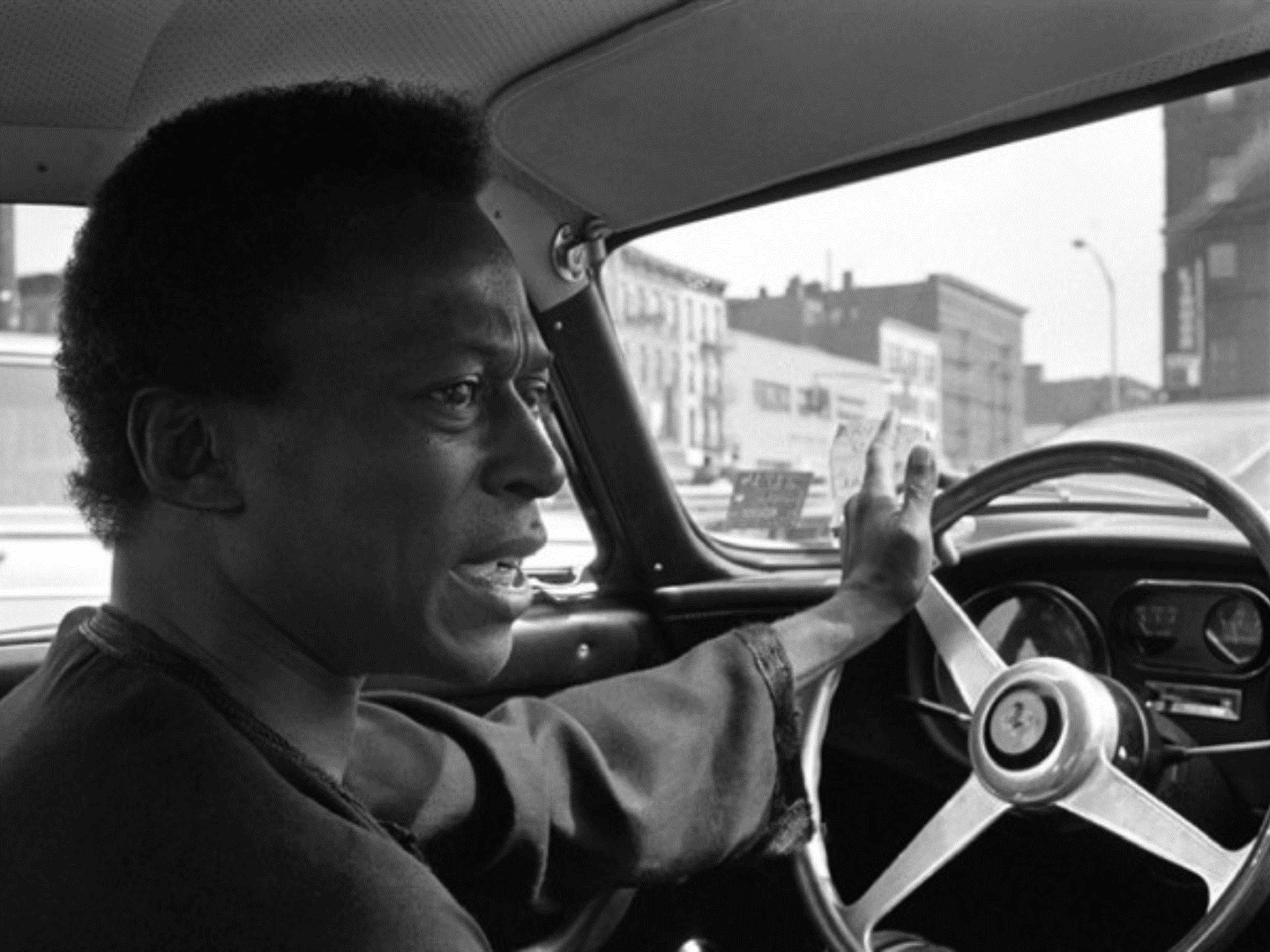
Miles Davis driving a Ferrari.
Baron Wolman had just finished photographing Miles Davis in his apartment near Central Park and he later recalled: "that photo of Miles and his red Ferrari was taken on New York's West Side Highway in October 1969. We had just shot some portraits in his apartment near Central Park. He said he wanted to go to Gleason's Gym to work out. He was an amateur boxer, as you probably know. Anyhow, we're driving along and I said, 'Miles, pull over. Let's do some shots of you and this totally cool car.' He said 'yes,' we did, and then proceeded to the gym where he threatened to knock me out…"
The West Side Highway in 1969 was rough and industrial, however, the green parkland and grass fill the background and the bright red Ferrari stands out sharply.
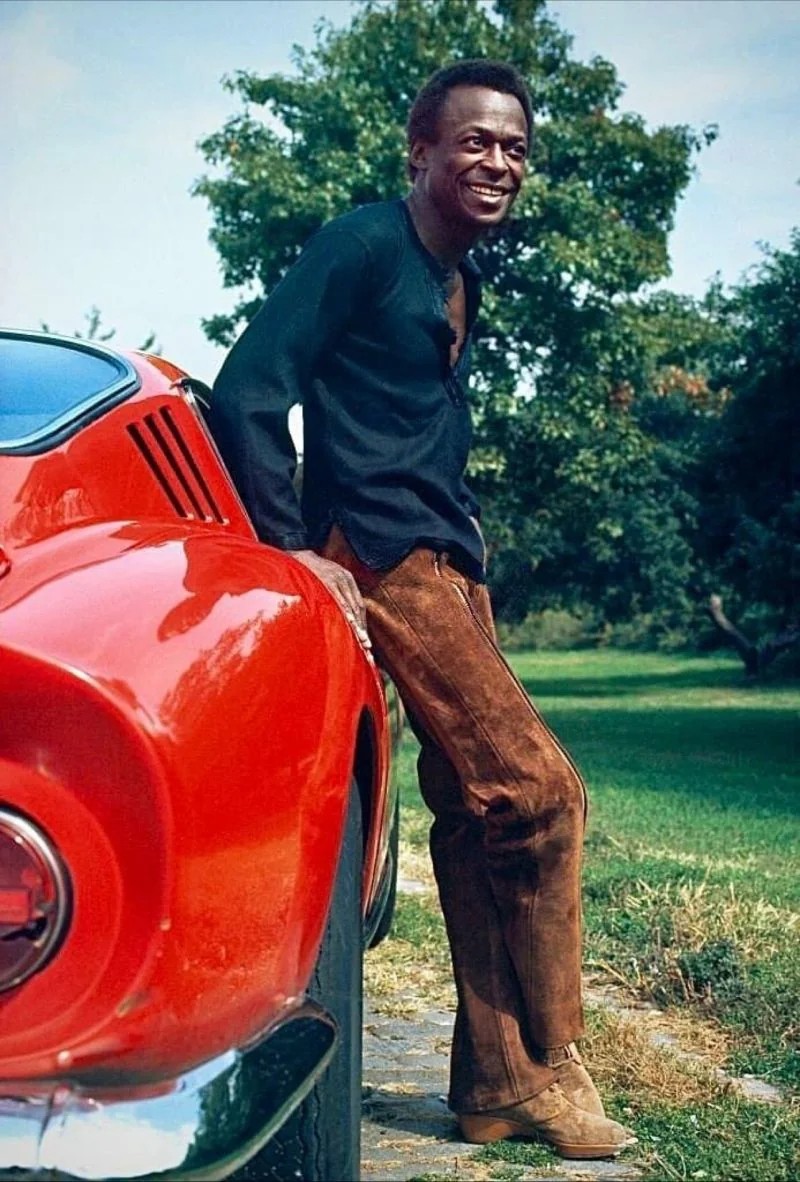
Miles Davis leans on his red Ferrari 275 GTB.
At that moment, Miles Davis was redefining modern music. He was also doing something rare for a black artist in America at that time. He owned the written copyright to his compositions. The record companies owned the recordings, but Davis owned the music itself. That distinction meant he earned money on the front end through publishing.
Ferrari 275 GTB/4
Ferrari 275 GTB/4 holds a special place in Ferrari history. Introduced in 1966 as an evolution of the earlier 275 GTB, the 4 in its name referred to its four overhead camshafts.
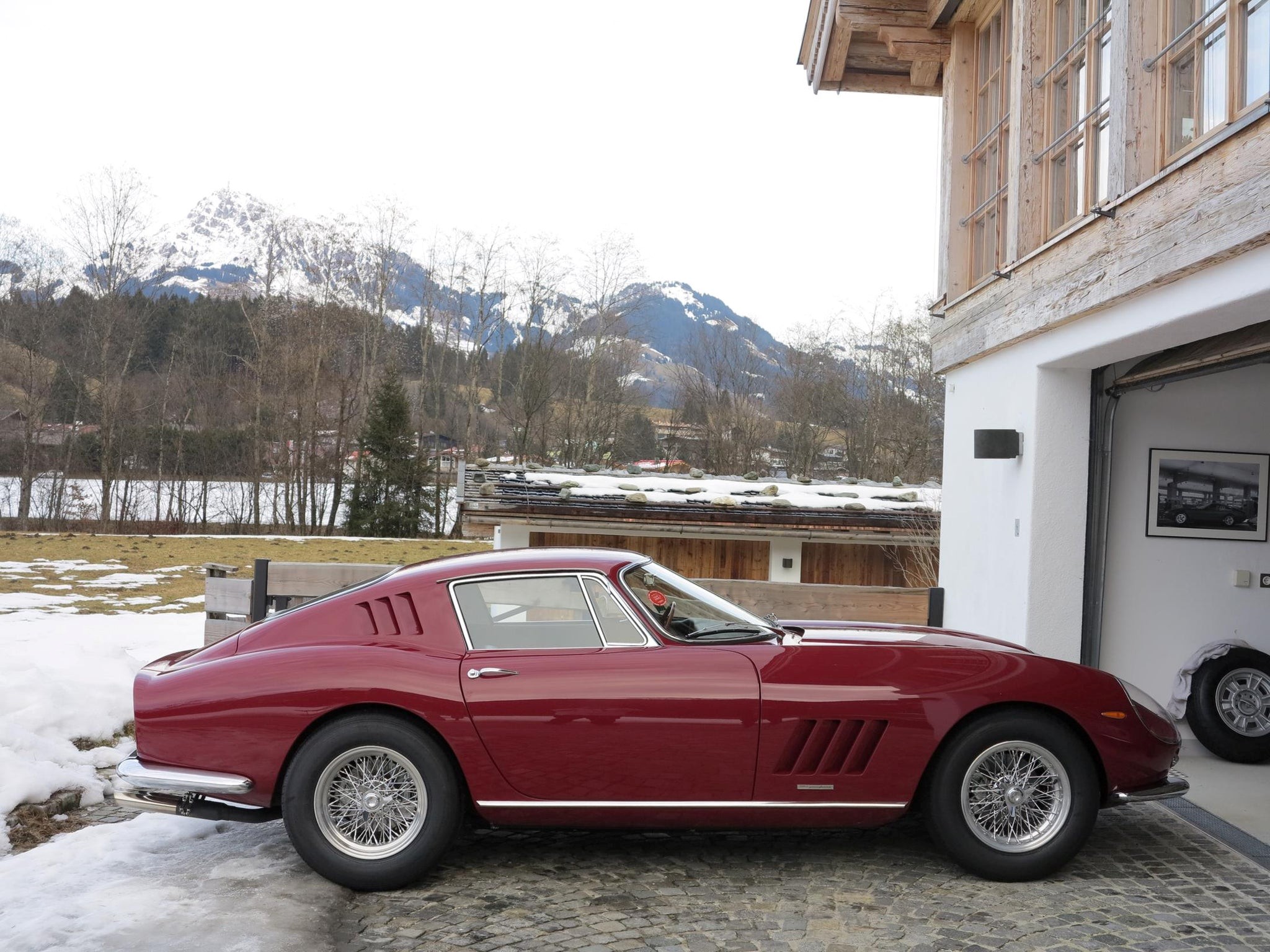
A Ferrari 275 GTB. Photo by Andreas Birner.
The car used a 3.3 litre V12 engine derived from Ferrari’s racing program. With four camshafts controlling the valves, the engine could breathe more efficiently at high speeds. Output was around 300 horsepower, which was exceptional for a road car in the 1960s.
The 275 GTB series was also important because it introduced independent rear suspension to Ferrari’s road cars. Independent suspension means that each rear wheel can move separately over bumps. This improves handling and comfort. Combined with a rear mounted transaxle, which placed the gearbox at the back for better weight balance, the 275 GTB delivered a more modern driving experience.
Only around 330 examples of the GTB/4 were built. Today, it is considered one of the most beautiful and balanced Ferraris ever made.
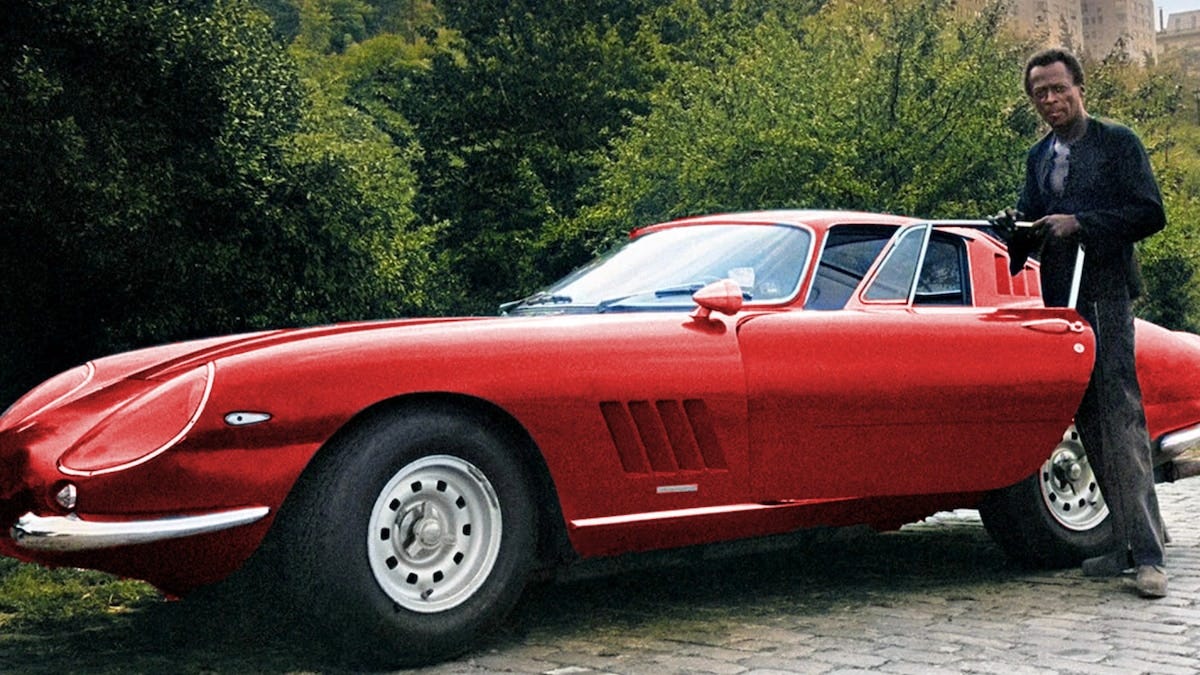
Miles Davis and his 1967 Ferrari 275 GTB/4.
Chassis 10669 was completed in 1967. It left the factory finished in Rosso Corsa. The car was delivered new to the United States, where it eventually found its way to Miles Davis.
Photo gallery
Miles Davis.
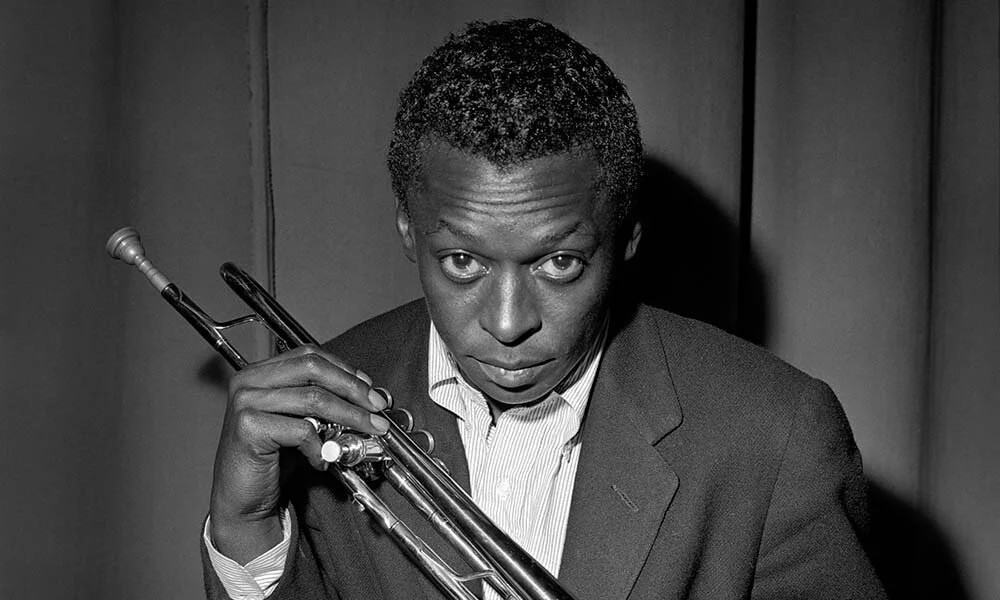
Miles Davis, the birth of the cool. Photo by Herman Leonard Photography.
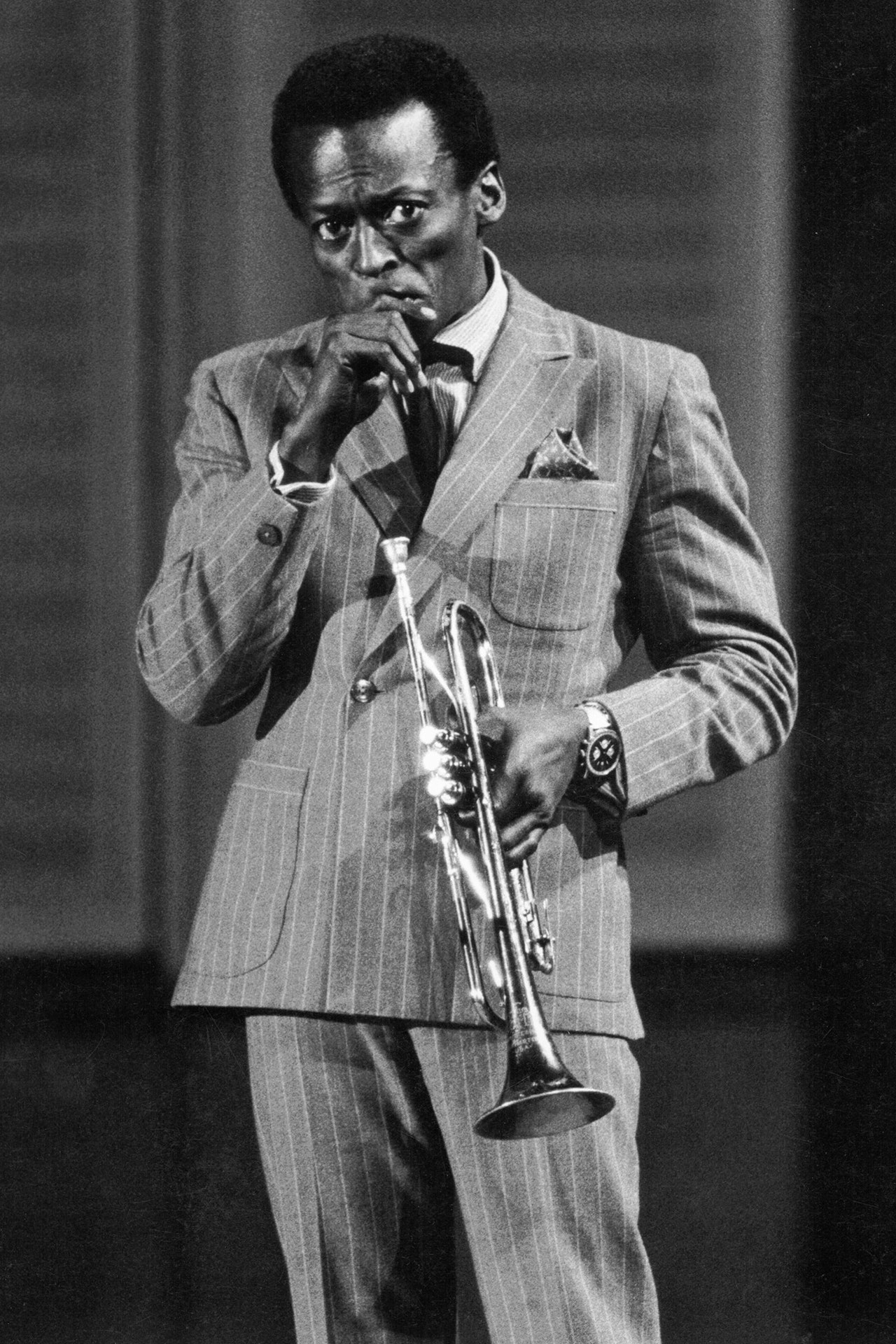
Miles Davis.
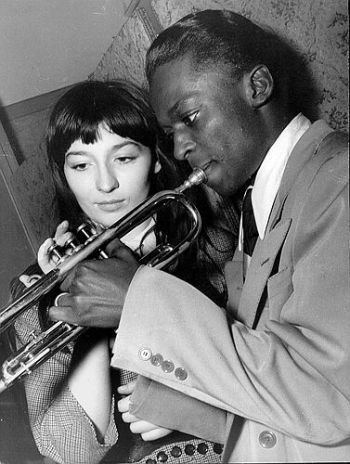
Miles Davis and Juliette Greco.
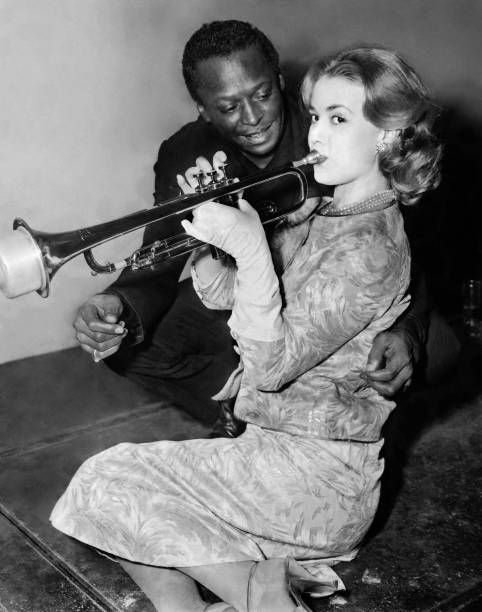
US trumpet player Miles Davis gives a lesson to French actress Jeanne Moreau in Paris on 05 December 1957.
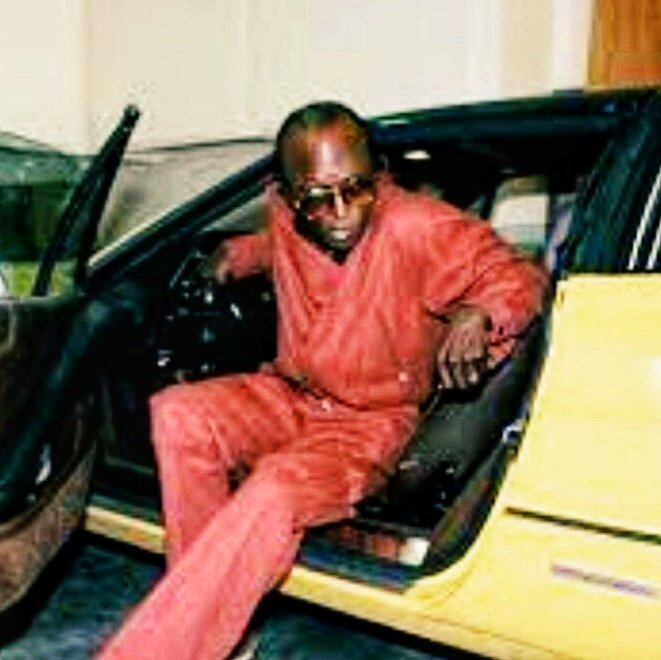
Miles Davis in hi yellow 1980 Ferrari 308 GTSi.
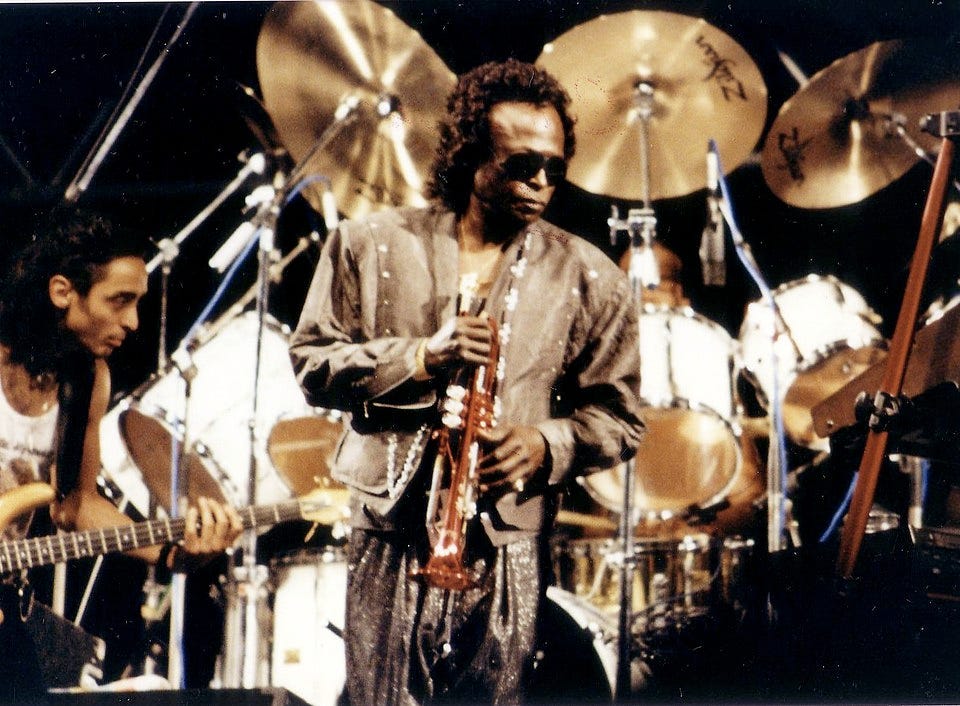
Miles Davis in the late 1980s.
Videos
Comments
Authorize to comment