After the first 3 Grands Prix, the FiA and F1 Management took advantage of the unscheduled break in the calendar to review the issues brought about by the new rules.
The aerodynamic changes are interesting and bring a new challenge to team and driver. The cars are smaller and lighter. The controversial new rule that needed to be looked at was the hybrid 50/50 engine/battery power unit. The regulation makes energy management a core skill, with the drivers reaching higher speeds for overtaking, but needing to lift and coast to recharge the battery.
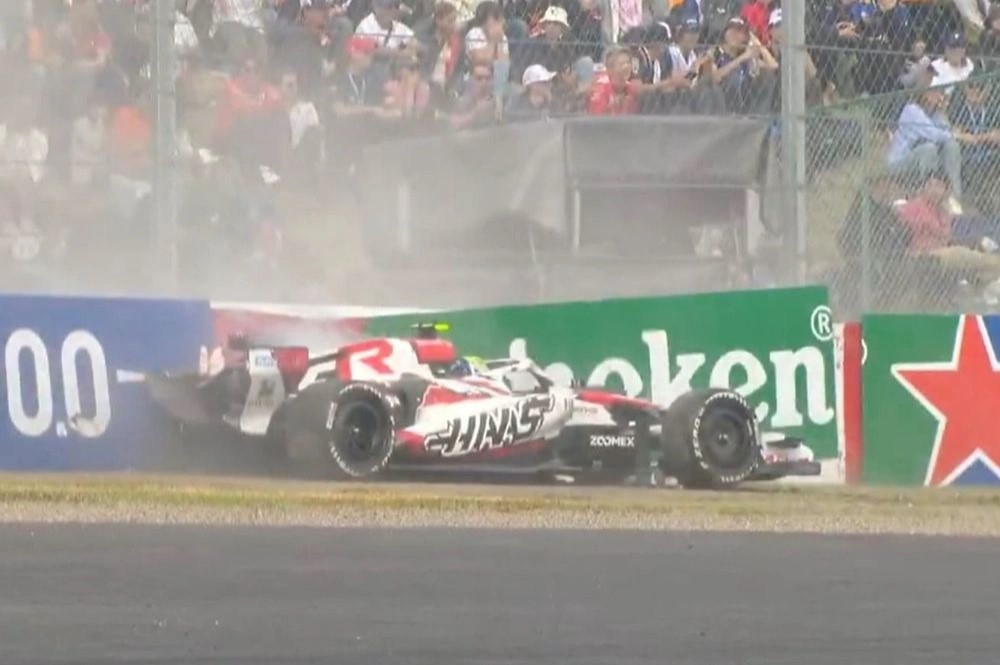
Due to the Oliver Bearman accident, which involved Franco Colapinto, the FIA is considering modifying the F1 regulations.
One of the results of this system was the incident between Ollie Bearman and Franco Colapinto at the Japanese Grand Prix, where Bearman had to avoid a much slower Colapinto. The closing speed between the two cars was 50Kph as Bearman used his electrical boost, whilst Colapinto was in energy recovery mode. This was a scenario that had been raised prior to the season by the drivers and which has been the focus of the review of the regulations.
The question of safety must be the most important reason for regulatory review, but the new system has angered many fans as well as F1 drivers, for the philosophy behind it.
When Formula E, the FiA’s electric single seater series, was launched, the battery power was so limited that the drivers had to literally swap cars halfway through the race. The power and speeds of the modern Formula E cars show how well this technology has been developed over the last decade. Still the race focusses on the need to preserve enough energy to get to the end of the race. The graphics show the battery power draining away as the laps go by.
Now the same principals are being applied to Formula 1. The concept is different, in that the batteries run out of charge every lap and need to be recharged. The visuals are the same. The batteries drain away, as clearly seen on the graphics and then, as clearly seen on the track, the drivers have to lift and coast to charge the battery.
The energy recovery systems and power of the new battery technology may be impressive, but as with Formula E, it seems a bizarre thing to focus on. With one of the main issues with the general public adopting electric vehicles being range anxiety and a lack of confidence with the life of the battery, surely the emphasis should be on how well batteries hold their charge and how this extra power can improve the performance of the car.
It seems insane that two of the premier racing classes of the FiA focus the attention on flat batteries. This pleases no one and doesn’t even show the batteries in a good light. Many of the changes to Formula One this season look positive, but they are overshadowed by the 50/50 power split. To promote this hybrid technology, it needs to be thought about differently. Batteries need the power to last, not drain away. Nor does F1 need its audience to drain away; what the F1 audience has been given is not F1 DNA. And the audience knows it.
By Clare Topic



Comments
Authorize to comment