The Roman dolce vita of the 1980s reflects the level of entertainment enjoyed at that time. It's still a decent level, but it mercilessly reflects the decline that began in the late 1960s, the peak of entertainment combined with the class, elegance and beauty of men, women and their clothes, the clubs and the music.
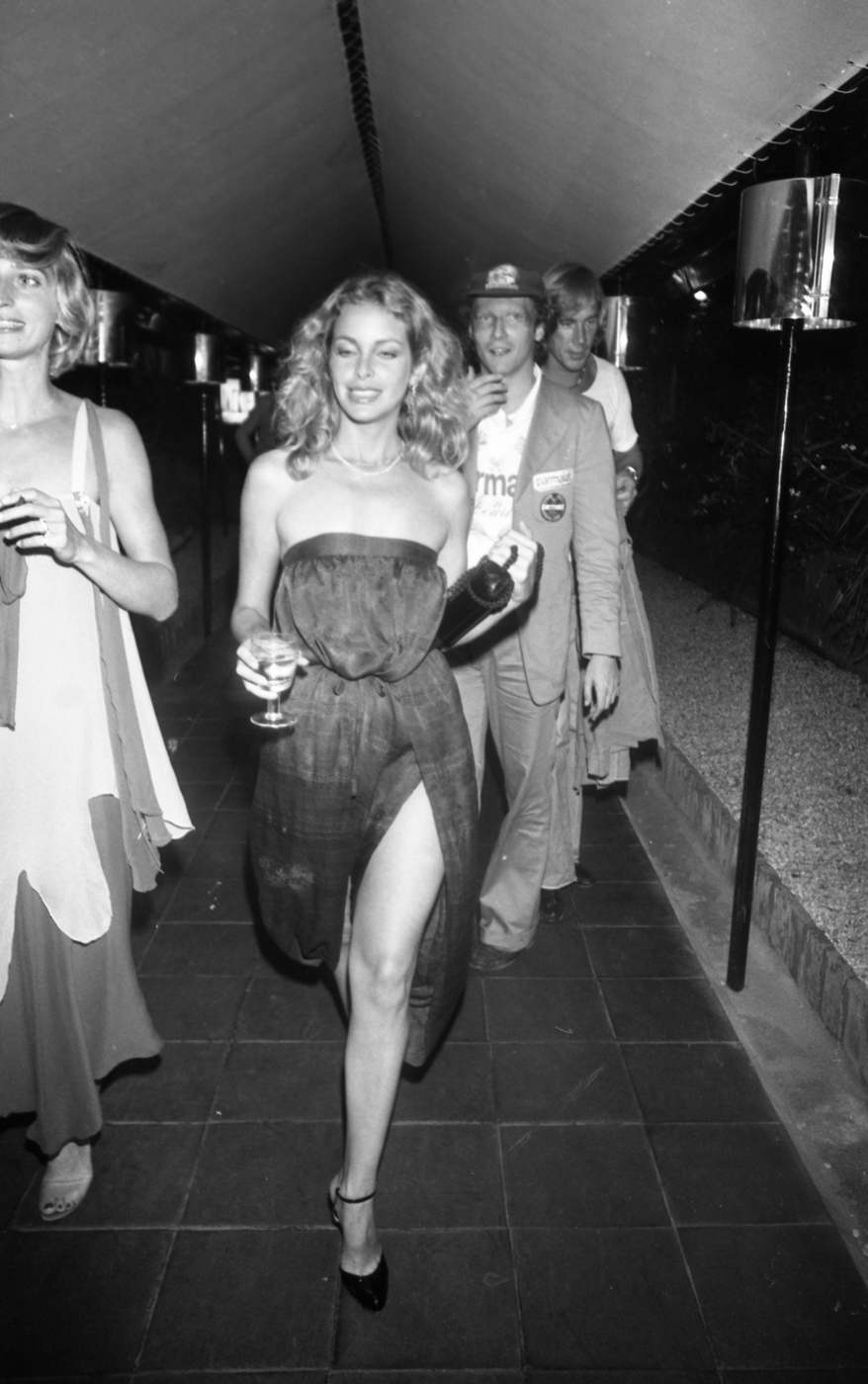
Niki Lauda and James Hunt with Sydne Rome at Parmalat party at Jackie O’ in 1977. Photo by Umberto Pizzi.
The '80s were the last frontier of entertainment at an acceptable level and Jackie O' was its undisputed temple. Over time, vulgarity and squalor have taken over and today it's practically impossible to go out at night because there are no more high-class clubs or people. Sad, but tragically true.
And so Jacky O', the symbol of Rome's dolce vita, gives way to our childhood memories, of a Rome still beautiful and vibrant, the center of the international jet set.
Jackie O' was the most glamorous club of the 1980s, the haunt of international high society but also of Rome's most prominent underworld. The most beautiful women and the wealthiest men met there. If you weren't there, you counted for nothing.
Forty years of Jackie O'. A party for the historic nightclub. By Cecilia Cirinei for La Repubblica on October 23, 2012. A party at the club opened in 1972 by Gilberto Jannozzi. An evening of memories and champagne for the club where Liza Minelli sang.
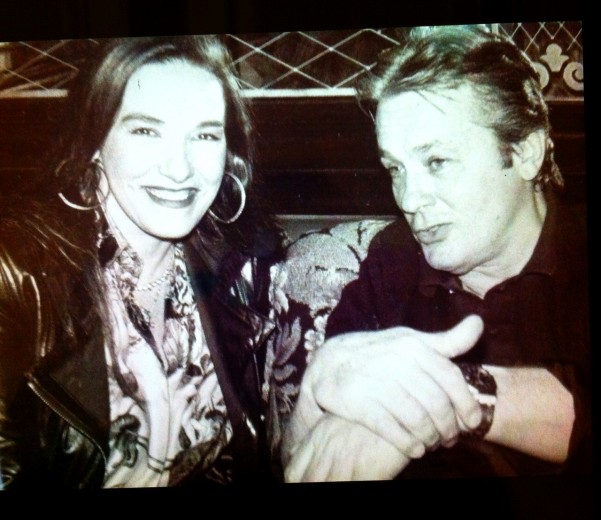
Alain Delon with Beatrice Jannozzi, the club's owner. Jackie O', one of the clubs that shaped Roman nightlife history, turns 40.
Alain Delon danced every night, while Liza Minelli sang ‘New York New York’ at the piano bar. And then, over time, everyone has been there: from Stefania Sandrelli to Paolo Villaggio, from Gérard Depardieu to Liz Taylor. The real party, with many VIP guests, will arrive in December, but in the meantime, this week, we're toasting the 40th anniversary of the Jackie O'.
Beatrice Jannozzi's restaurant, piano bar and nightclub, opened by her husband Gilberto in 1972, has proven its worth over time.
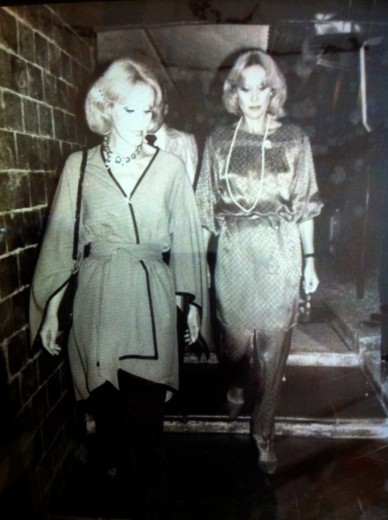
The Kessler twins at the Jackie O'.
And the ‘parade’ of illustrious names continues: Burt Lancaster, Sylvester Stallone, Marcello Mastroianni, Helmut Berger, Ornella Muti, to name a few. The club, opened in 1972 by Gilberto Jannozzi, is celebrating its 40th anniversary this year, with his wife Beatrice, who was also there, at the helm. "I have so many memories and they're all wonderful", Beatrice Jannozzi says. "We'll have the party in December, before Christmas."
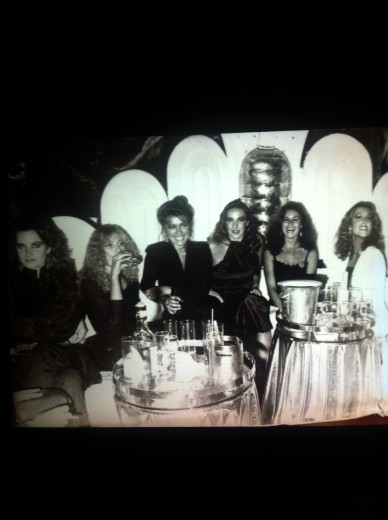
Stefania Sandrelli at the Jackie O’.
The club opened on Via Boncompagni, a side street off via Veneto, in the heart of the Dolce Vita district, on the site of the former San Carlino Theater. It opened first as a restaurant, then as a piano bar and nightclub. "Liza Minelli comes to mind; we had become friends. Every time she came to Rome, she'd stop by, greeting everyone, from the manager to the bartenders and always singing", Beatrice continues "and then Alain Delon, gallant and charming. The party for Margaret of England, organized by Mario D'Urso, was beautiful. The name Jackie O', dedicated to Jacqueline Kennedy Onassis, was given to the club by Gil Cagnè. I remember once Denzel Washington came and, because he was wearing shorts, they didn't let him in: he went to the hotel and came back right away, very elegant."
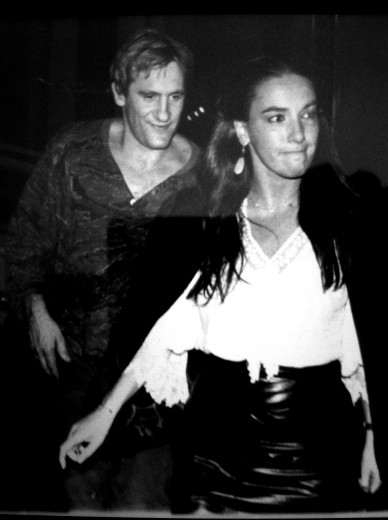
Gérard Depardieu.
And even today, the club is always packed. "Even though Jackie O' has its ups and downs", Jannozzi emphasizes, "it's always trendy because it doesn't follow trends." Among its current regulars, the most loyal are Alba Parietti, Corinne Clery and Paolo Villaggio. Press agent Enrico Lucherini recently celebrated his exhibition there and there will soon be a dinner for Paolo Villaggio's 80th birthday.
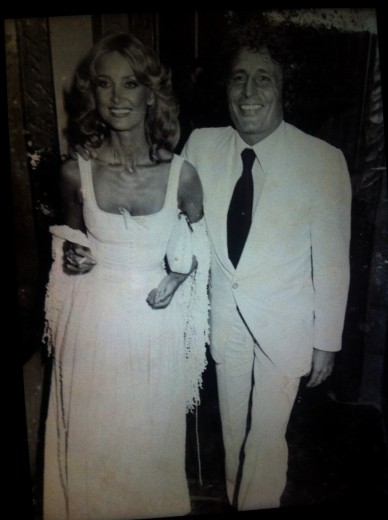
Barbara Bouchet.
"It's a great victory to have a place that continues to appeal to so many people of all ages", she concludes. "The restaurant always has the same menu, including smoked risotto, Chateaubriand - style meat and tarts tatin. We offer a restaurant, piano bar and, for events, a disco with a DJ, every evening from Monday to Saturday."
A cornerstone of the current Jackie O' is singer Michele Contesi, who sings the greatest international hits (from Frank Sinatra to Edoardo De Crescenzo) in the piano bar and disco room. New this year, he is accompanied by a jazz quartet and offers a dinner show with jazz and bossa nova from Thursday to Saturday.
The Jackie O’ turns 50, long live the Jackie O’. By Coolture on 06 October 2022.
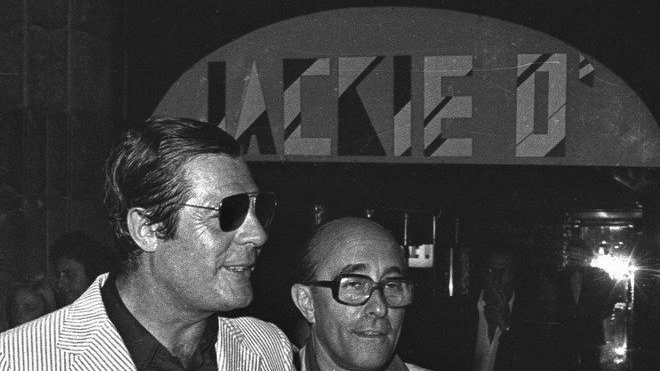
Marcello Mastroianni with Lello Bersani at Jackie O’. Photo by Rino Barillari.
Jackie O' is one of those things that makes you feel forever young. One of those icons that remain unchanged over time, even if time itself seems to stand still. Like monuments, immortal figures like Queen Elizabeth II until a few days ago, like temples like Jackie O'. Alain Delon, Andy Warhol, Helmut Berger, Gianni Agnelli, Marcello Mastroianni, Vittorio Gassman, Stefania Sandrelli, Paolo Villaggio, Franco Califano, just a few of the names who frequented the club. If Italy's daytime history was made in Parliament, in boardrooms and on film sets, its nighttime history was made at Jackie O'. It was created in 1972 by Gilberto Iannozzi, paying homage to Jacqueline Onassis, Kennedy's widow. Fifty years have passed, Rome has changed. First there was the Dolce Vita, now there's garbage on the streets. But the 'Jackie' is still there, always the same, always current, always on point, always worldly. Rome has to thank Jackie O' for reminding her who she is, reminding her that Rome has the potential to attract the entire international jet set, from Hollywood stars to royalty, from industrialists to artists. A talent squandered for the past 30 years.
Fifty years ago, Jackie O' began as a restaurant and nightclub and it's still that way.
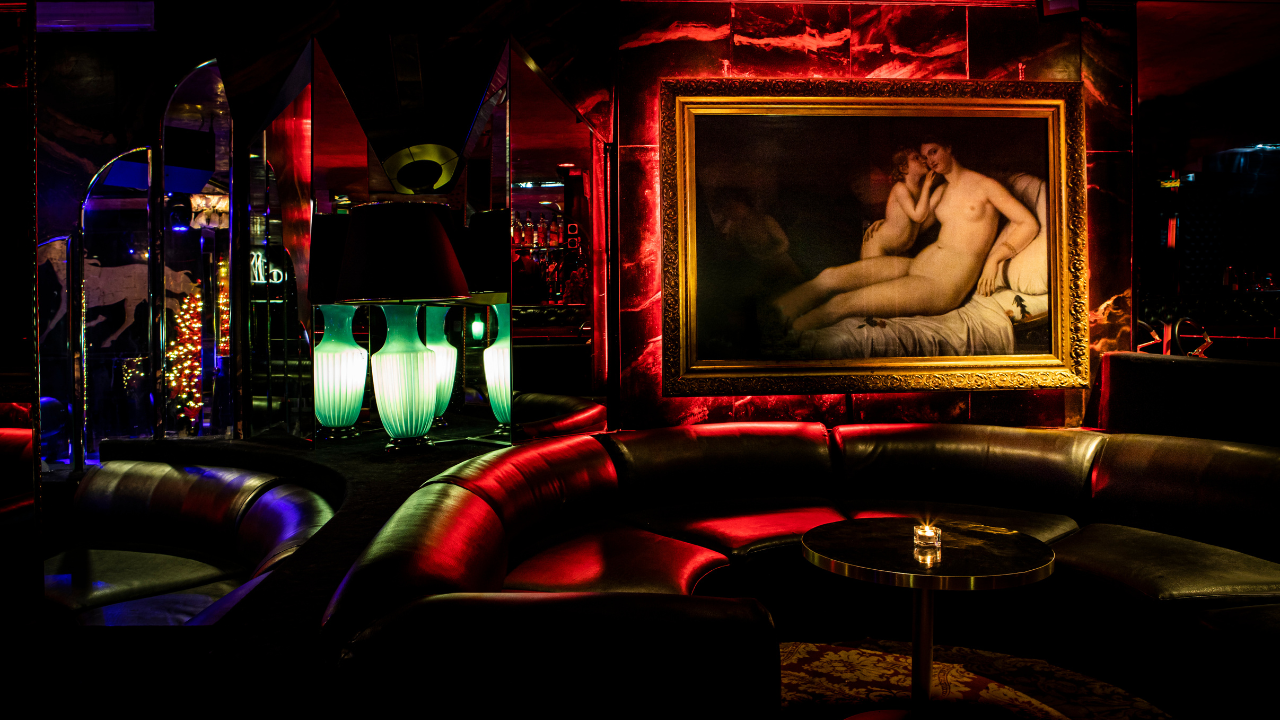
The Jackie O’.
And even the menu is still very similar: it still features crepes Suzette, veal with tuna sauce, fried rice and fruit salad.
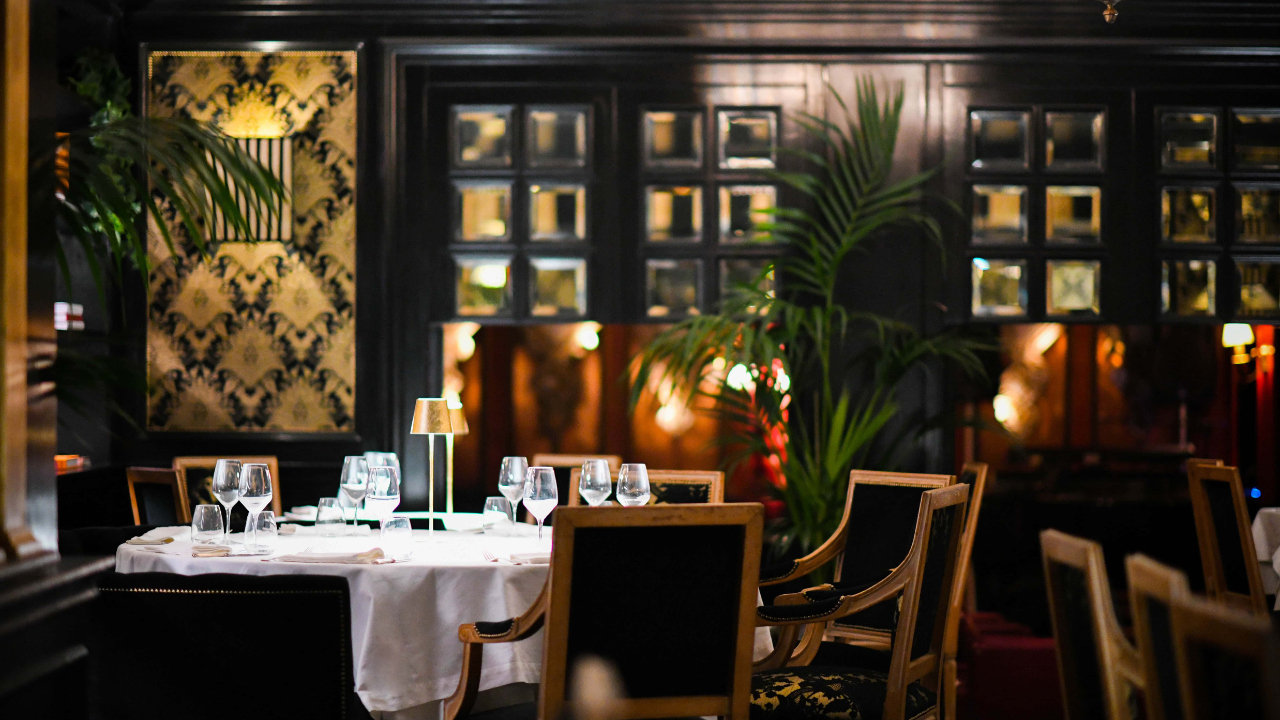
The Jackie O’.
True to its spirit. Best wishes to the Jackie, a church of the Roman night, a temple of Romanness.
Jackie O’, the true charm of the 80s.
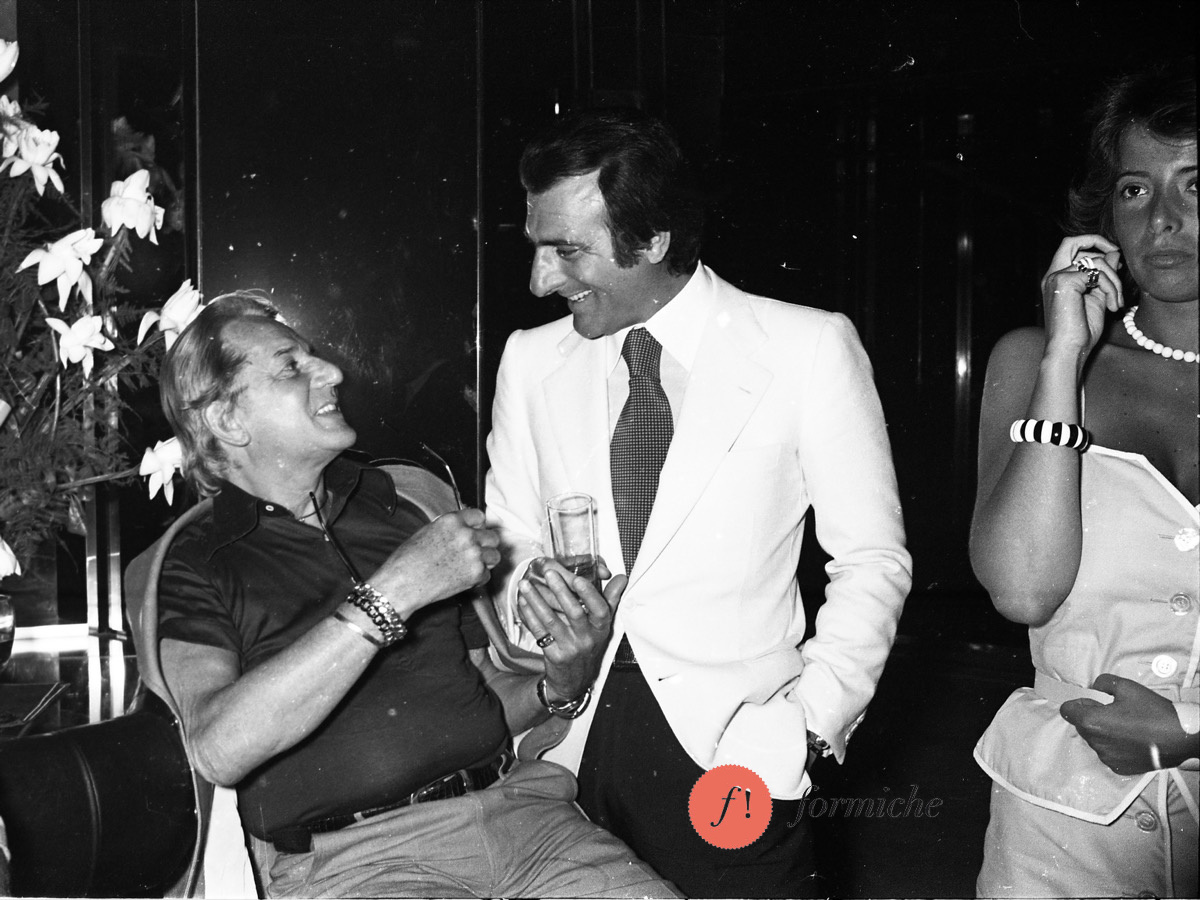
Gilberto Iannozzi in 1973. Photo by Umberto Pizzi.
Jackie O', an iconic lounge behind via Veneto, beloved by Italian celebrities and international jet-setters since its opening, was founded over half a century ago by Gilberto Iannozzi. Since then, the celebrated Rome venue on via Boncompagni has never ceased to shine. Its name, Jackie O', was coined by Gil Cagné, known as the ‘divas' makeup artist’ as a tribute to an icon of the time, Jacqueline Kennedy Onassis. The venue, which quickly became a fixture of Rome's high society, has since been frequented by stars, nobles, journalists and celebrities from around the world.
The Jackie O’, which later became the symbol of the wild Roman nights, opened its doors in 1973. In the midst of austerity.
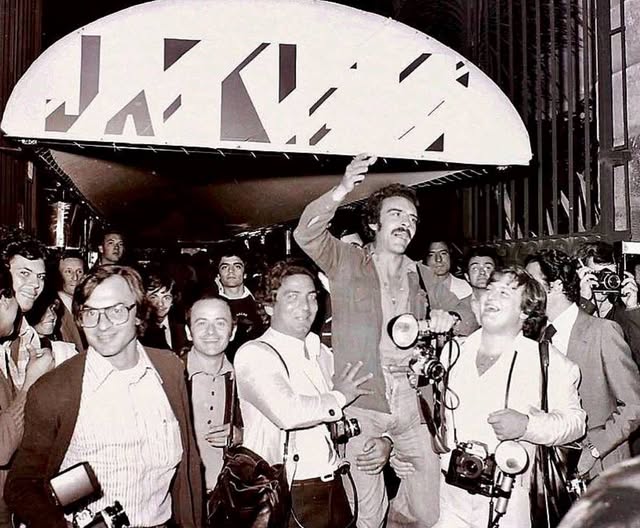
The Jackie O’.
“My husband”, Mrs. Iannozzi recalls, “had managed to buy the old San Carlino theater on via Boncompagni. It cost him 60 million. A real bargain. Sandro Petti and Geppy Mariani transformed it into Jackie O’. A name that later became famous, quoted and known by everyone. Only Sophia Loren and Onassis never entered it. The presence of Rainier of Monaco, Grace Kelly, Valentino's parties, the evenings dominated by Lollo, Bisset, Lisi, Mastroianni, Tognazzi, Gassman and Berger gave the nightclub an exclusive image. The name itself, so unusual but so fitting for a club, was linked to one of the most high - profile events: the lavish wedding between the Kennedy widow and Aristotle Onassis. It was Gil Cané”, explains Mrs. Beatrice Iannozzi, who was in charge of public relations at the time, who made the proposal. “We discussed it over dinner at the house where I lived at the time on via Fleming. The legend was born.” A myth that Iannozzi never let fade. "I won't sell it", the queen of the night claimed in 1984. "So many people have asked me. They've even offered me up to 4 billion lire. I've always refused." But time and money, in the end, prevailed over intentions. And the myth collapsed under the weight of the police seals [La Repubblica].
He had been out of the criminal world for two years and was moving perfectly comfortably within the law.
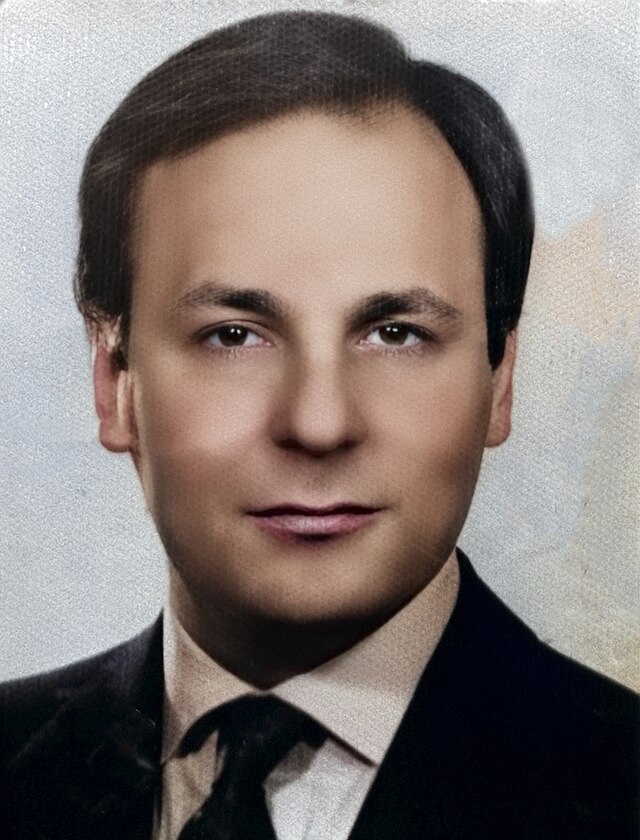
Enrico De Pedis (15 May 1954 − 02 February 1990) was an Italian gangster and one of the bosses of the Banda della Magliana, an Italian criminal organization based in the city of Rome, particularly active throughout the late 1970s until the early 1990s. His nickname was ‘Renatino’. Unlike other members of his gang, De Pedis possessed a strong entrepreneurial spirit. While other members squandered their earnings, he invested his illicit proceeds in construction companies, restaurants, boutiques, etc.
His brother ran a restaurant in Trastevere and he had devoted himself to nightclubs. Good-looking and renowned as a womanizer, Enrico De Pedis had what it took to rise to the top of the criminal underworld. The purchase of the Jackie O' had crowned his success. Tracing the group's footsteps through the capital of hangouts, bars and restaurants where they could "attovajasse" (sit at a table), we find them at the Jackie O', the exclusive club of Rome's wealthy elite, the organization's operations center and a meeting place for the Roman underworld. With the purchase of the Jackie O', Renatino had fulfilled his dream of becoming a nightclub manager. The king of Testaccio was among the club's managers and one of the directors of the company that owned the club, Roma by night.
The Roman underworld in Ferrari by ‘Romanzo criminale’.
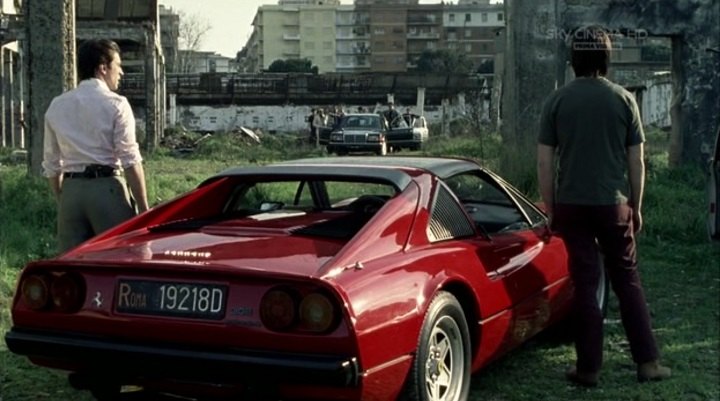
Mario De Angelis, known as ‘Il Dandi’, is a main character in ‘Romanzo criminale’ (book, film and series) based on the Banda della Magliana. A vain, stylish and ruthless criminal, he rises from small-time theft to controlling Rome's drug trade, driven by greed and a love for high-society life, ultimately becoming a public enemy before his downfall. In the photo, Dandi, the first on the left, is standing next to his red 1978 Ferrari 308 GTS in ‘Romanzo criminale’.
‘Romanzo criminale – la serie’ (meaning ‘Criminal novel – the series’) is an Italian crime drama television series based on the novel of the same name by the judge Giancarlo De Cataldo.
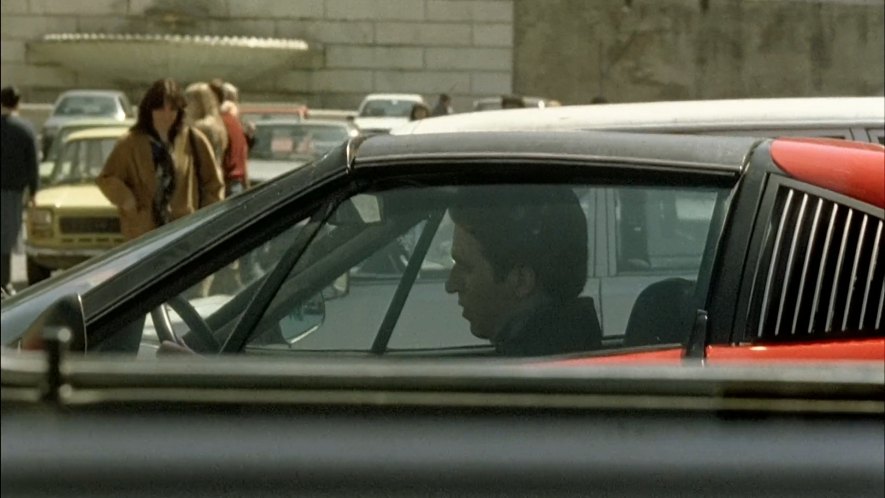
Dandi in his red Ferrari.
The series is an adaptation of the 2005 film Romanzo criminale directed by Michele Placido. The series quickly achieved cult status in Italy. It recalls the exploits of the famous Banda della Magliana (Magliana gang) of Rome, a notorious group of criminals who were the first to shoot in the capital.
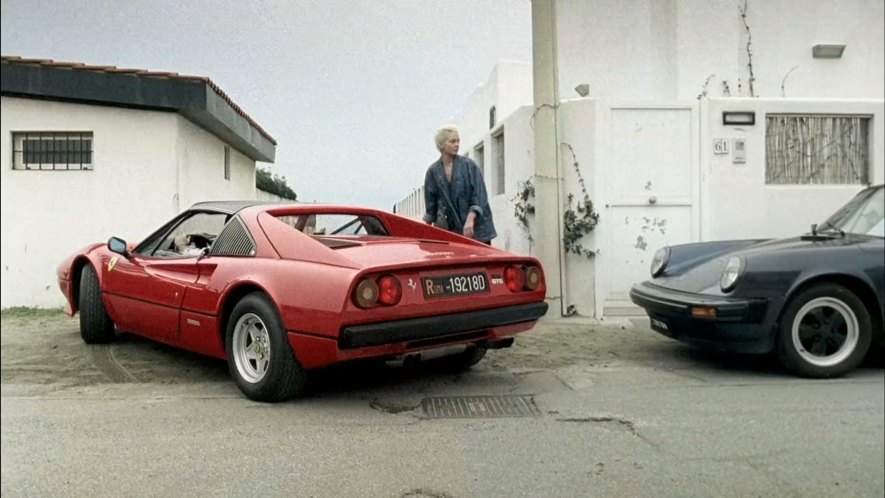
Dandi in his red Ferrari.
The members of the Magliana gang were feared and respected, they led an expensive lifestyle, drove cars like Porsches and Ferraris and didn't neglect to have fun at the Jackie O', their meeting point for their evenings of fun.
Interviewed by Il Fatto Quotidiano on his 80th birthday, Umberto Pizzi recalls the story behind one of the photos that made him the most famous paparazzo in Italy between the 1970s and 1980s: that of the Avvocato.
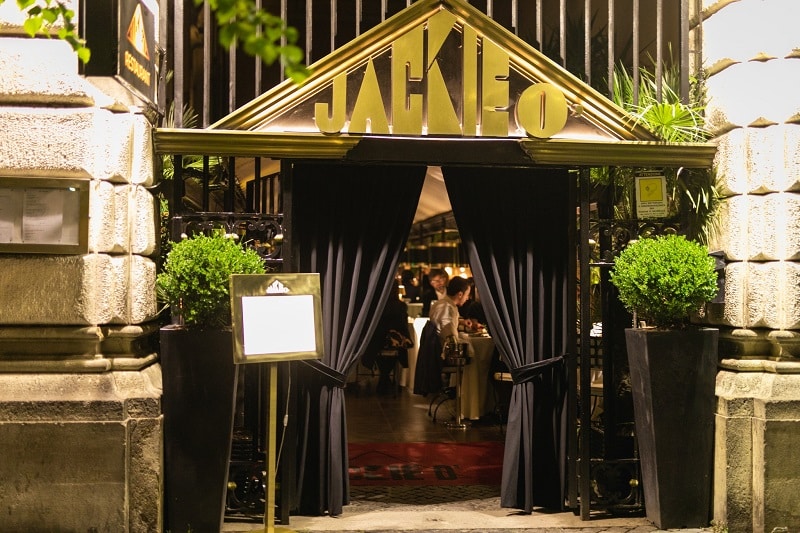
Rome's Jackie O' celebrates its 50th anniversary in the name of ‘La Dolce Vita’.
It was 1980. “Fiat was about to lay off thousands of workers and I caught him outside Jackie O’ in Rome with a young girl. I took the photos.” And the best part begins: “Fiat feared disaster, so the next day Luca Cordero di Montezemolo called me and tried to buy the images. I refused. If you want them, a newspaper would have to buy them. And so it was: they contacted me, I sold the story. It never came out.” Why, the journalist asks, did one of the most famous, powerful and talked-about men in Italy fall into such situations? “Because it was him. He was Gianni Agnelli and even that way he showed his strength, as if to say: ‘io faccio quel che cazzo mi pare’ (I do whatever the fuck I want).”
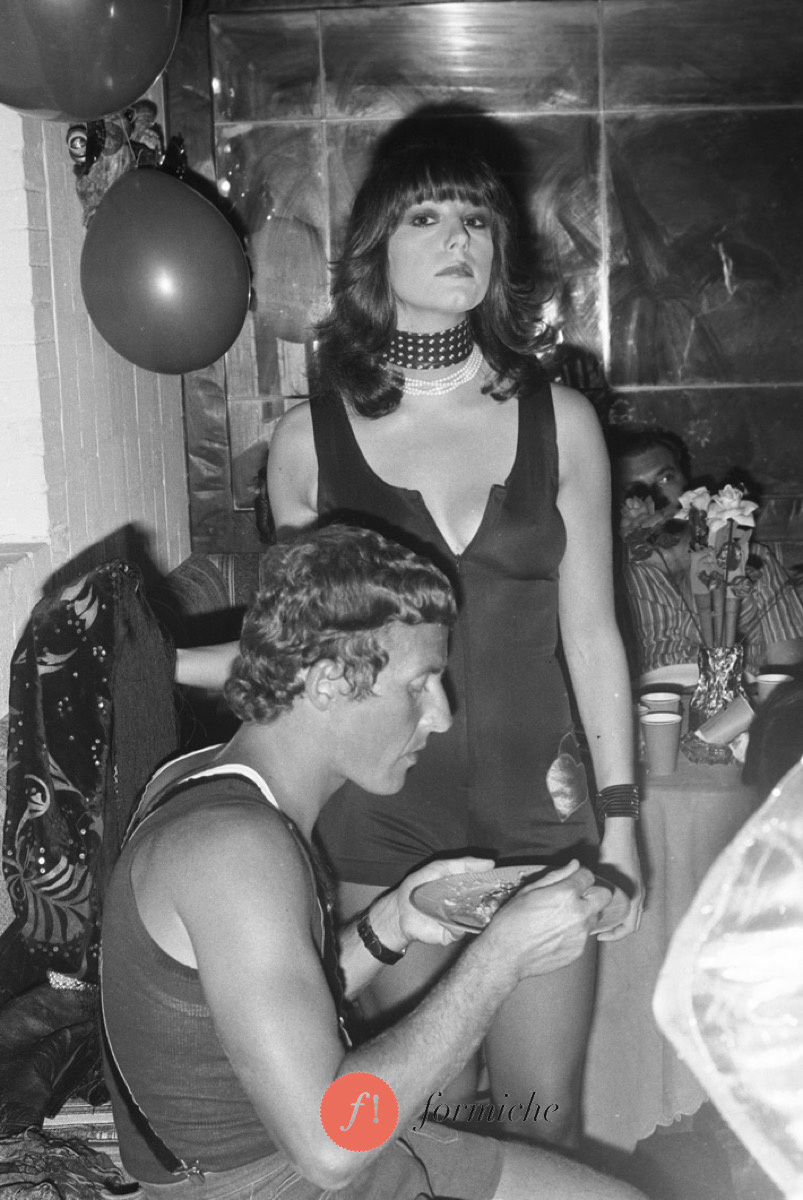
Formiche: 50 years of Jackie O' told by Umberto Pizzi through his archive photos on October 12, 2022.
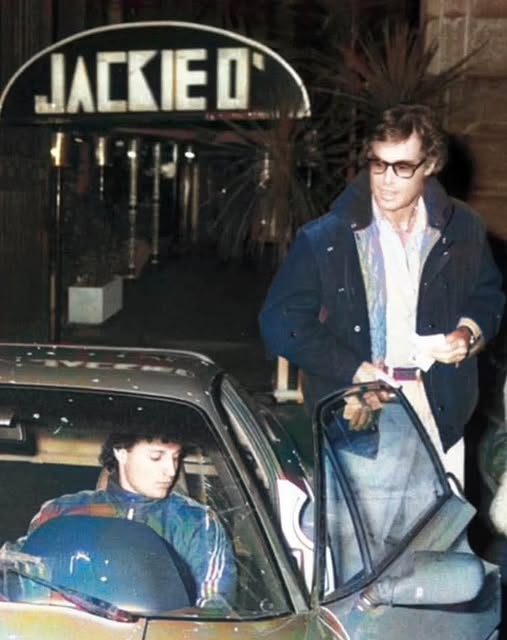
Franco Califano, the popular ‘Califfo’ (Caliph), in front of the Jackie O’.
"When tourists came to Rome in the 1970s, they visited three places: the Colosseum, the Trevi Fountain and the Jackie O', which was the continuation of Fellini's Dolce Vita." But that's not all. That venue, Umberto Pizzi says after having thoroughly examined his photographic archive, was perhaps the most famous ever, both because it was copied by all the capitals aspiring to attract the same number of people from the star system and because in those years it represented a country's desire for rebirth.
Jackie O' was a very snobbish place, Pizzi continues. "The guy at the door was like a truffle dog: if they smelled money, he'd let them in, otherwise they'd stay out", he says, smiling. "I saw it open and lived it. Its success continued until 1990, when it waned and it became normal. It deflated with the ease of travel; now anyone can get anywhere; in the past, if you could afford a trip to Rome, you weren't just any tourist."
And it was precisely on via Veneto that gossip was born, Pizzi continues. "It was invented in Rome with the Dolce Vita, which didn't exist anywhere else in the world, neither in London nor Paris." But then we arrive at another truth about the success of the Italian high society of those years.
"Italians have always been the ones who, to get out of a crisis, throw themselves into having fun", the Maestro emphasizes. "Well, the same thing is happening now and Jackie 'O was exactly the height of fun. I hung around and survived by hanging around. You were like the hunter who stood behind the hut waiting for the birds. You didn't have to run; the game would just fall into your mouth."
Here are all the photos of Umberto Pizzi.
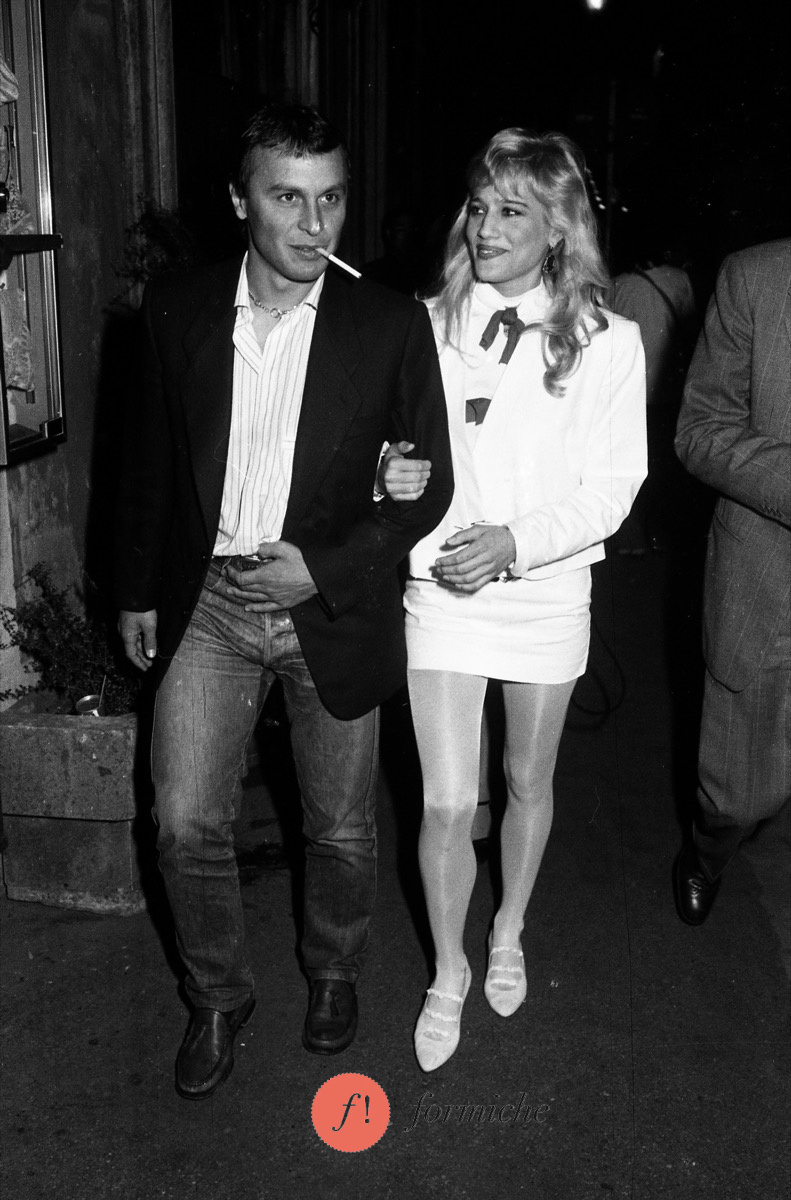
Heather Parisi and Franco Miseria in 1973.
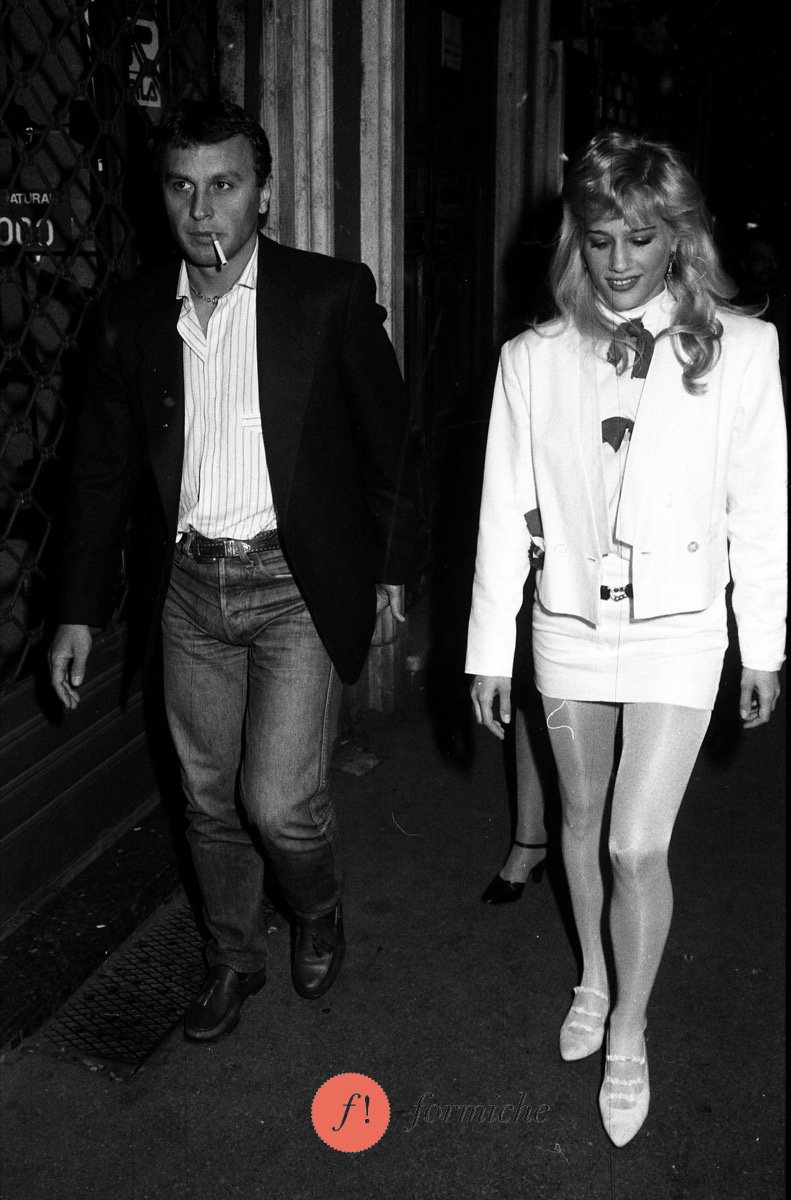
Heather Parisi and Franco Miseria in 1973.
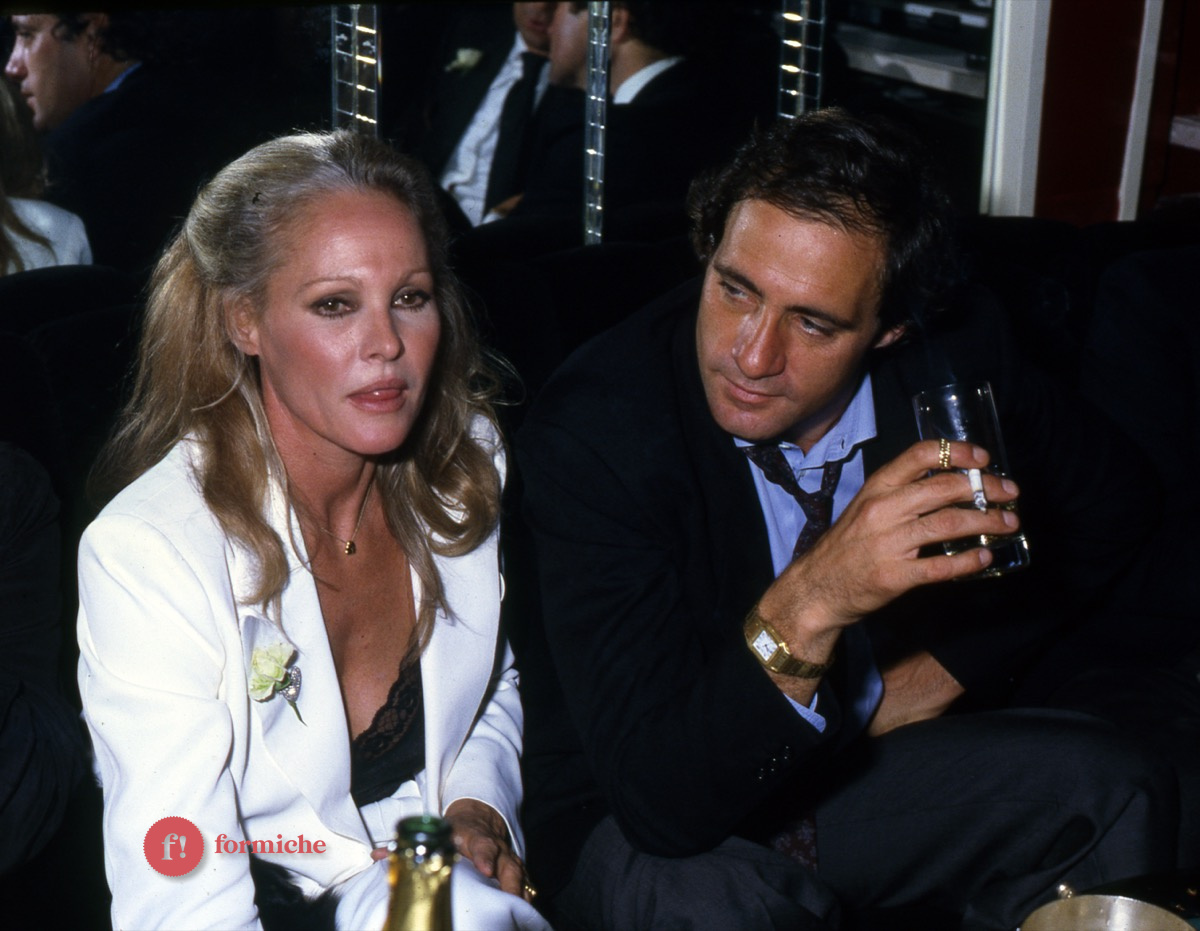
Ursula Andress with Giorgio Chinaglia.
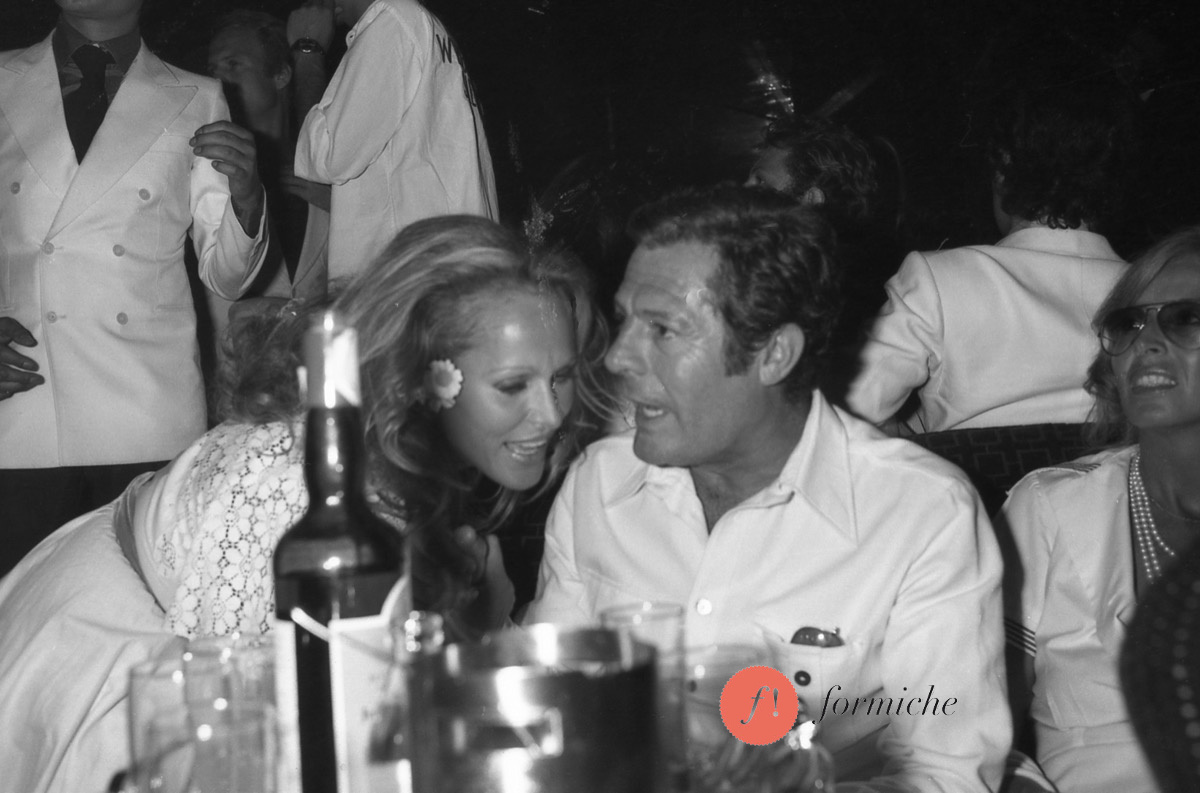
Ursula Andress and Marcello Mastroianni in 1974.
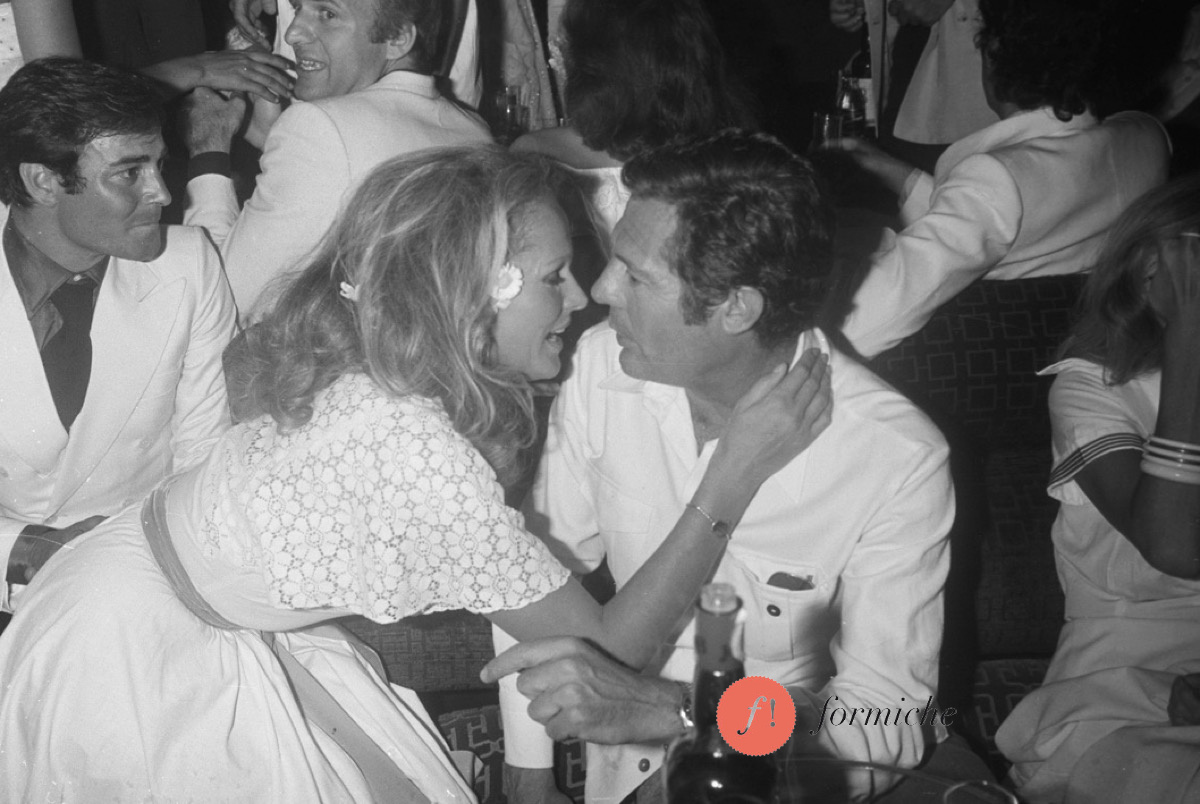
Ursula Andress and Marcello Mastroianni in 1974.
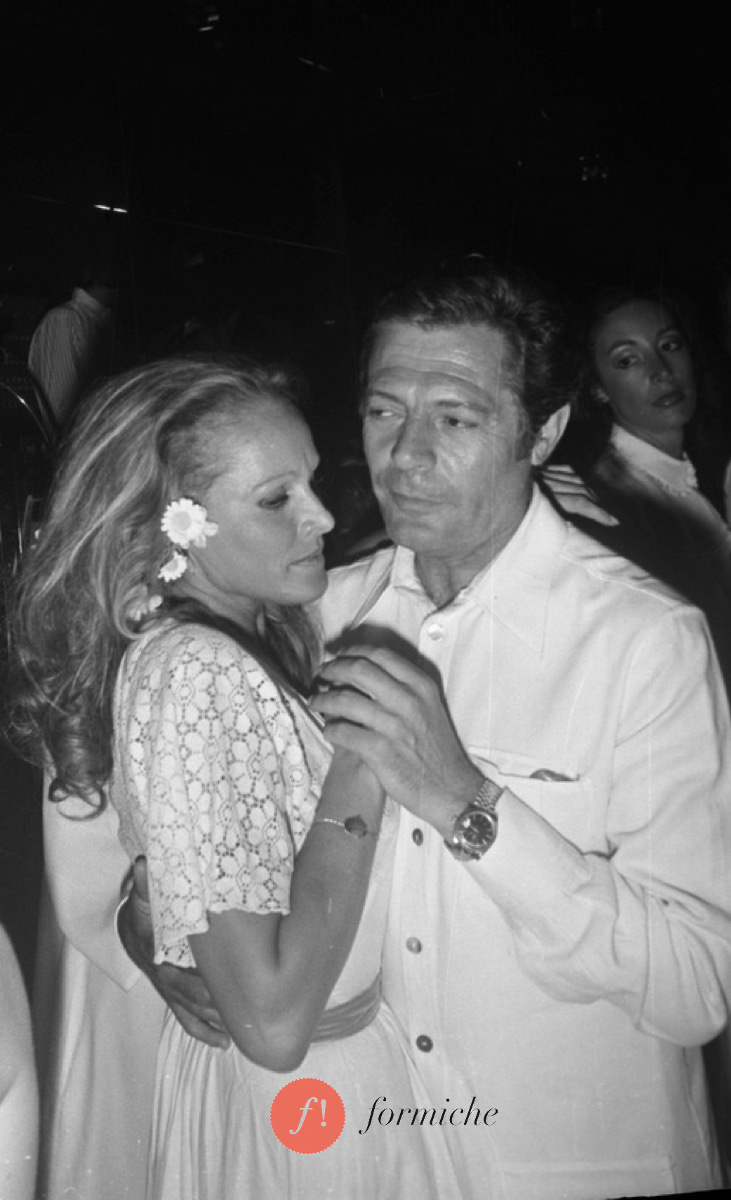
Ursula Andress and Marcello Mastroianni in 1974.
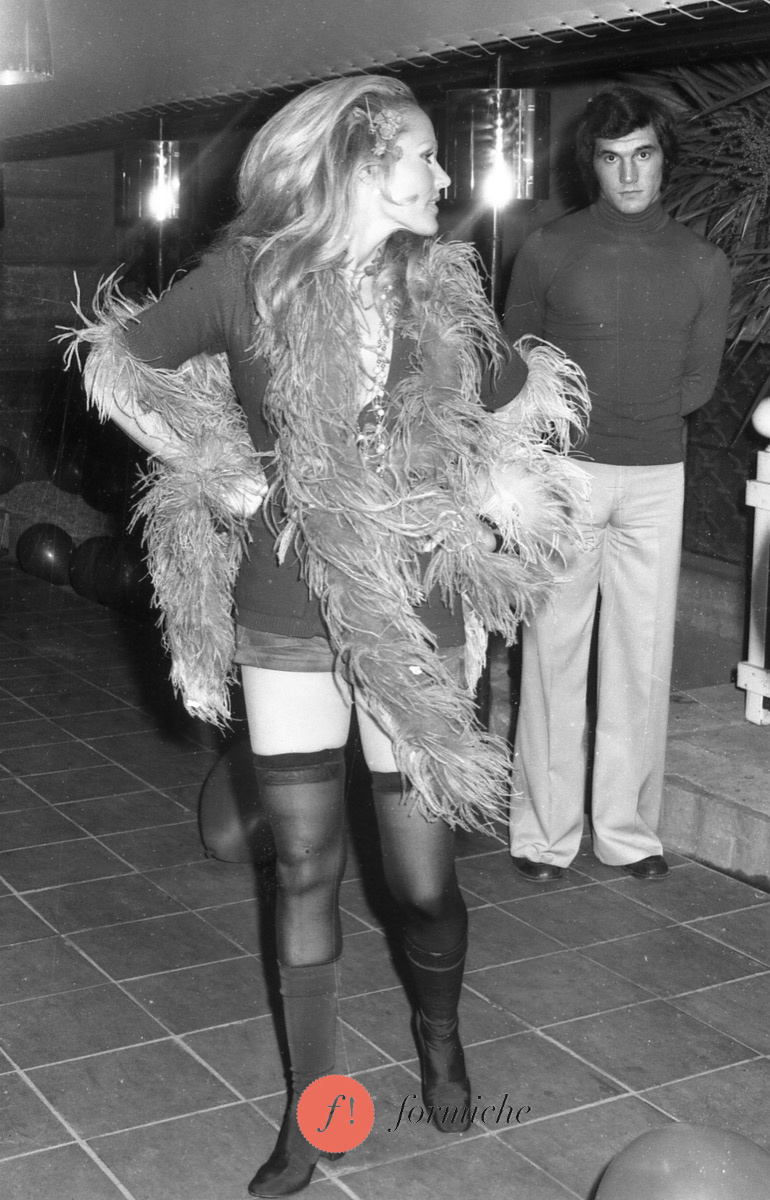
Ursula Andress in 1974.
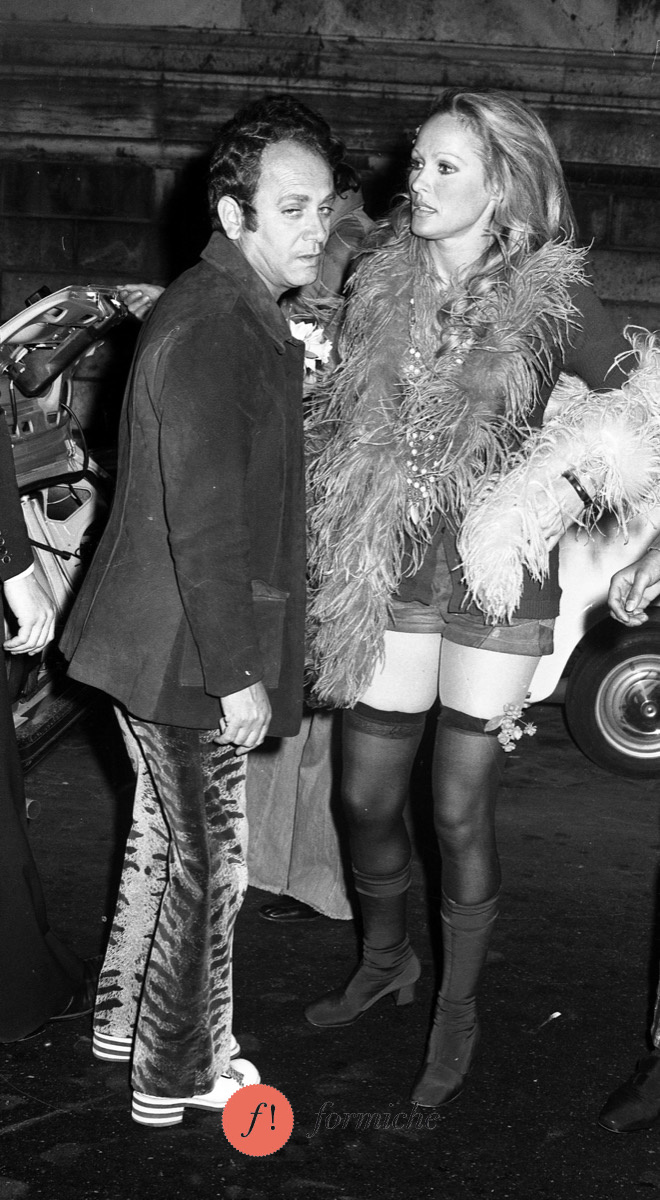
Ursula Andress and Angelo Frontoni in 1974.
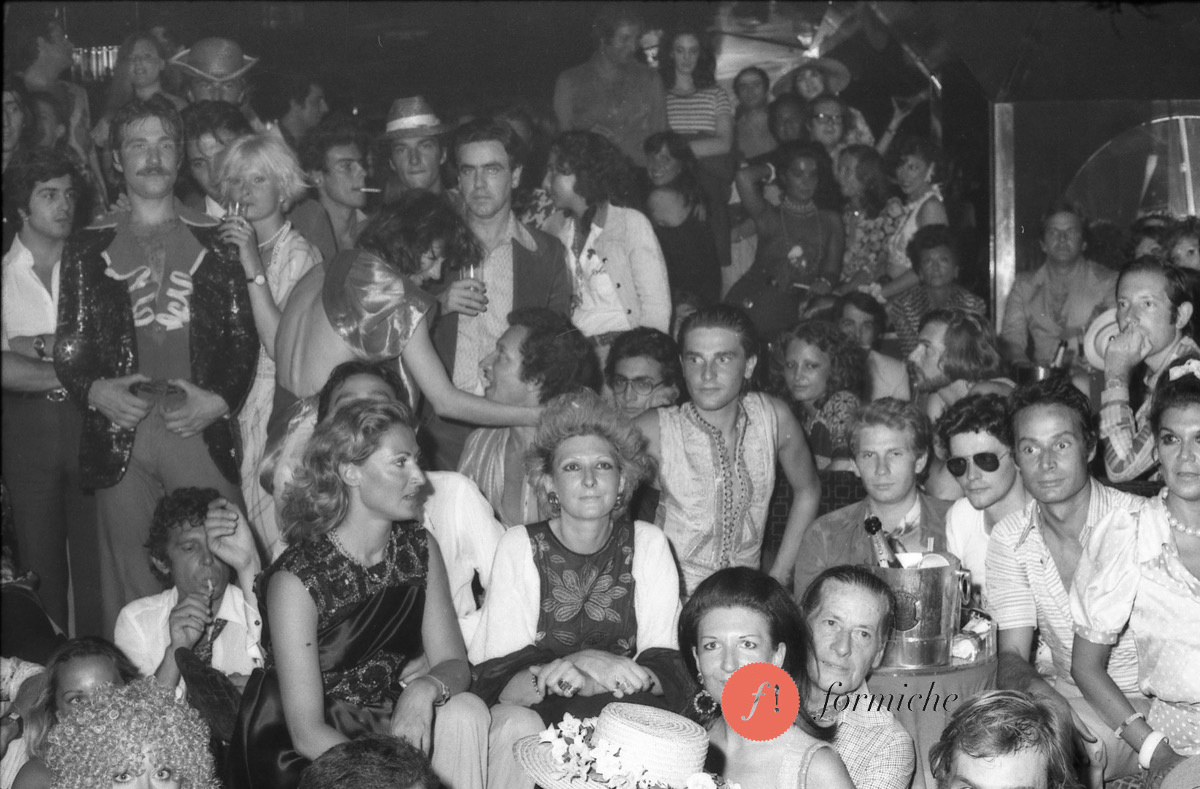
The Jackie O’ in 1974.
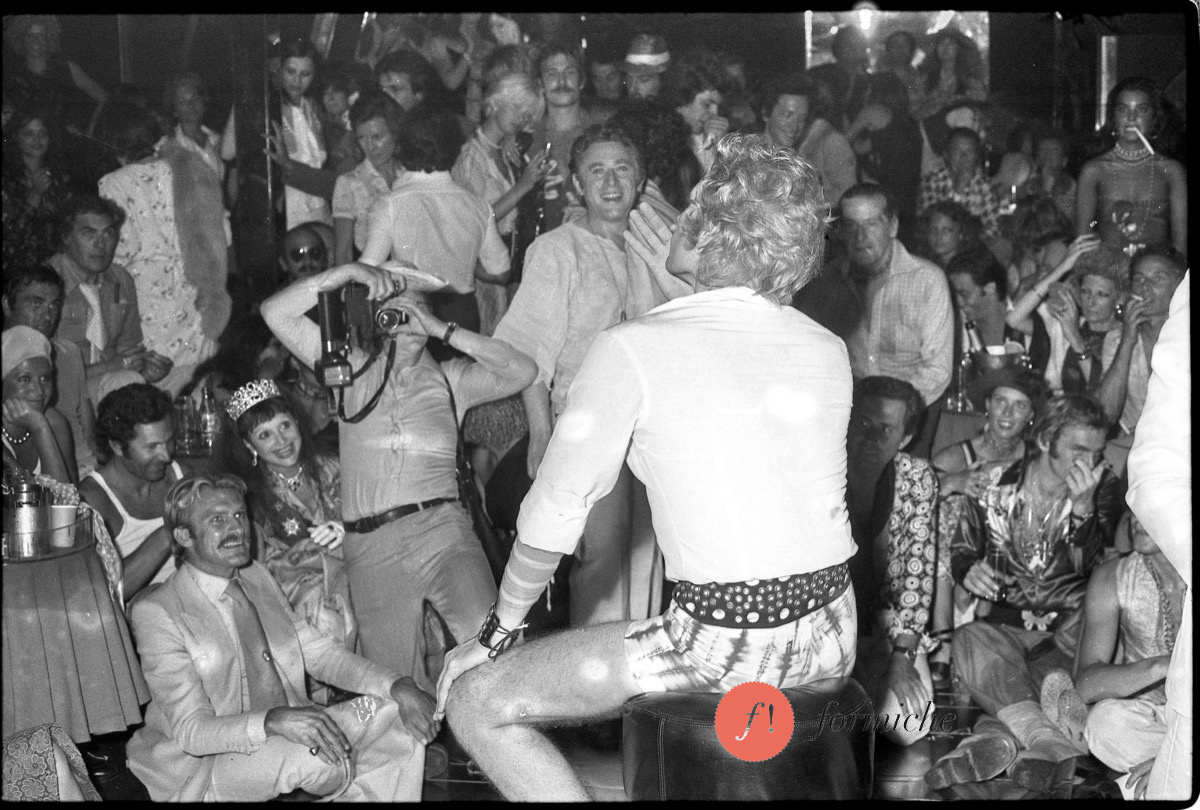
Helmut Berger’s party in 1974.
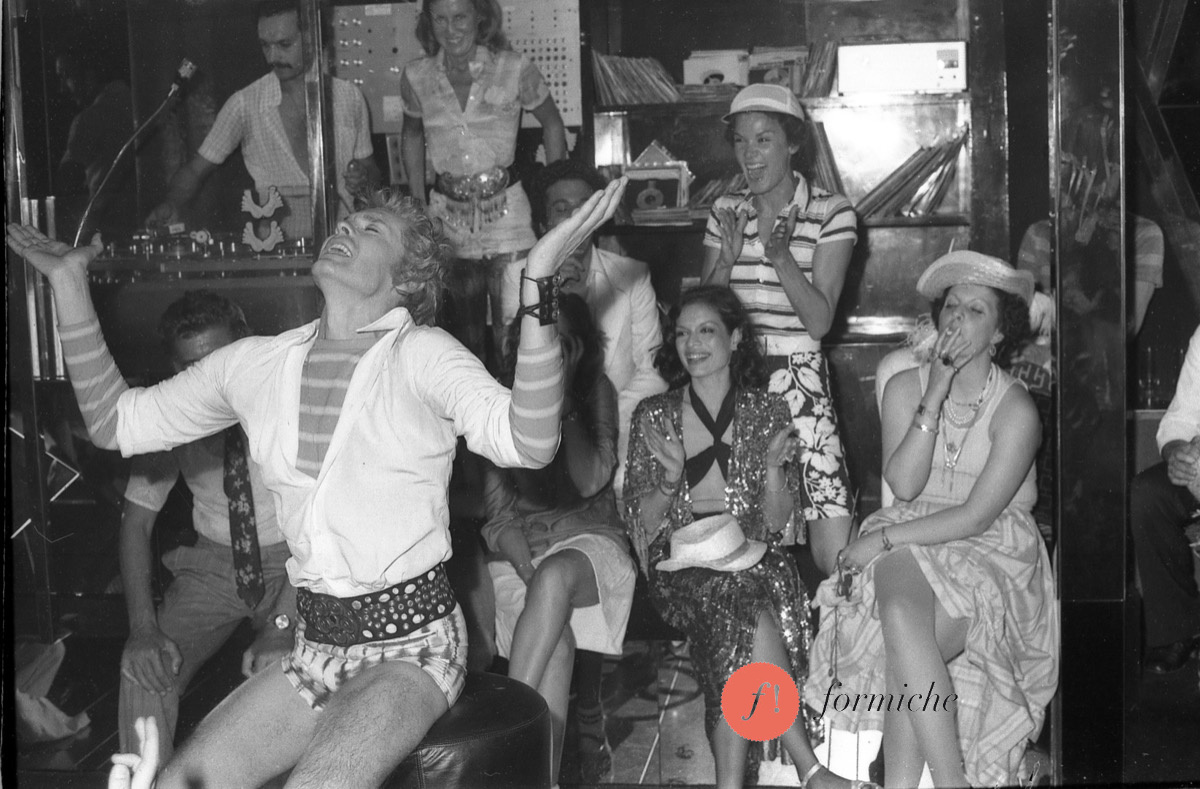
Helmut Berger’s party in 1974.
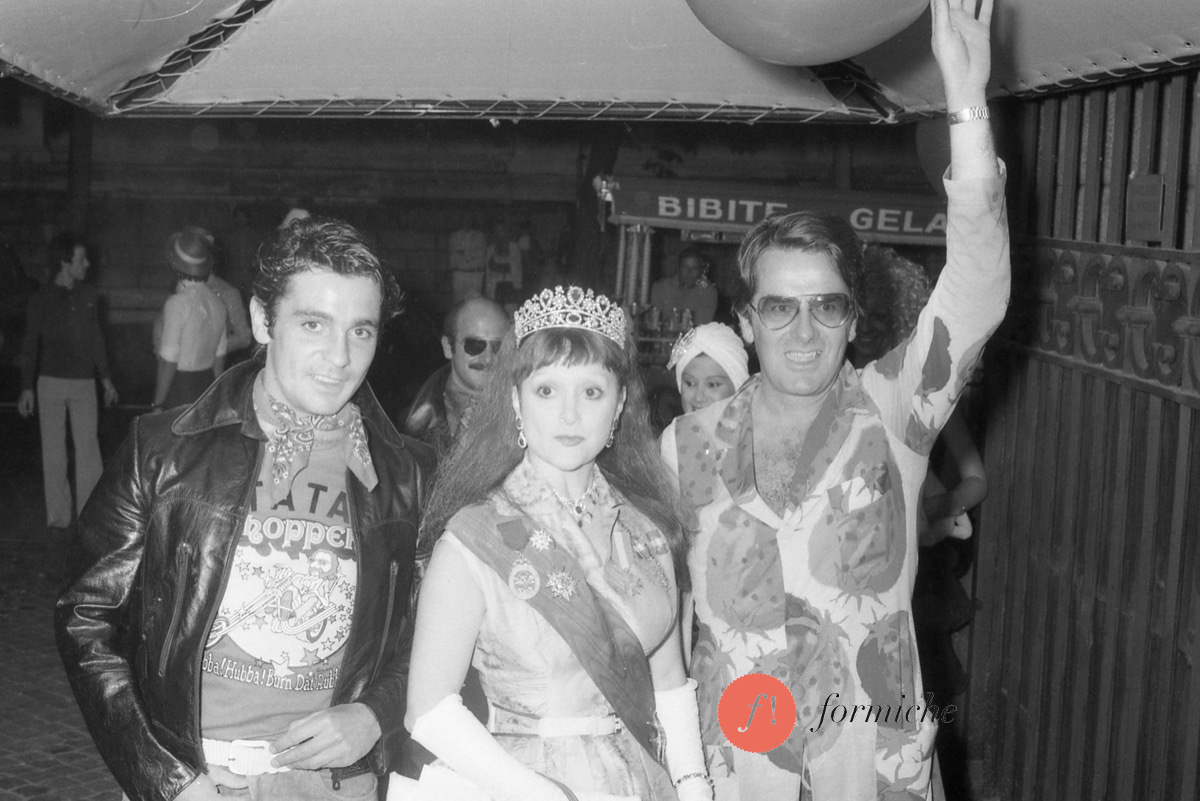
Helmut Berger’s party in 1974.
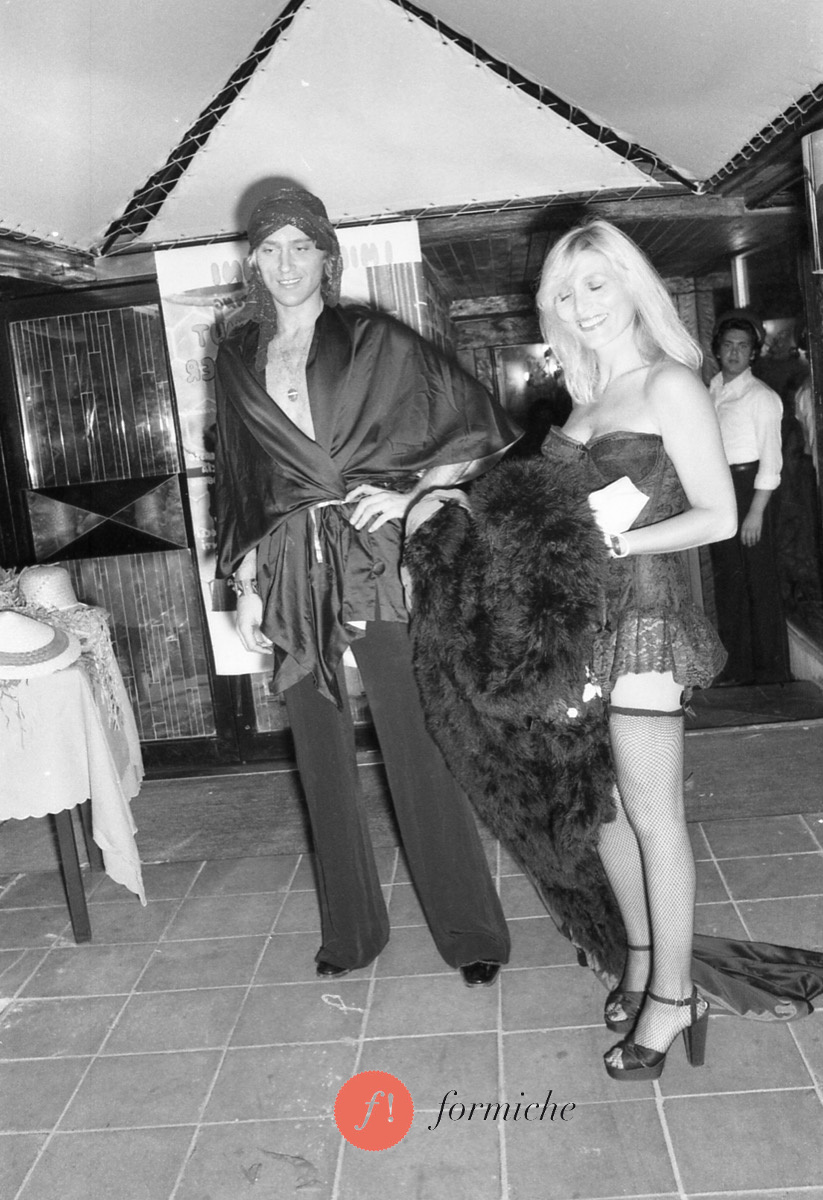
Helmut Berger’s party in 1974.
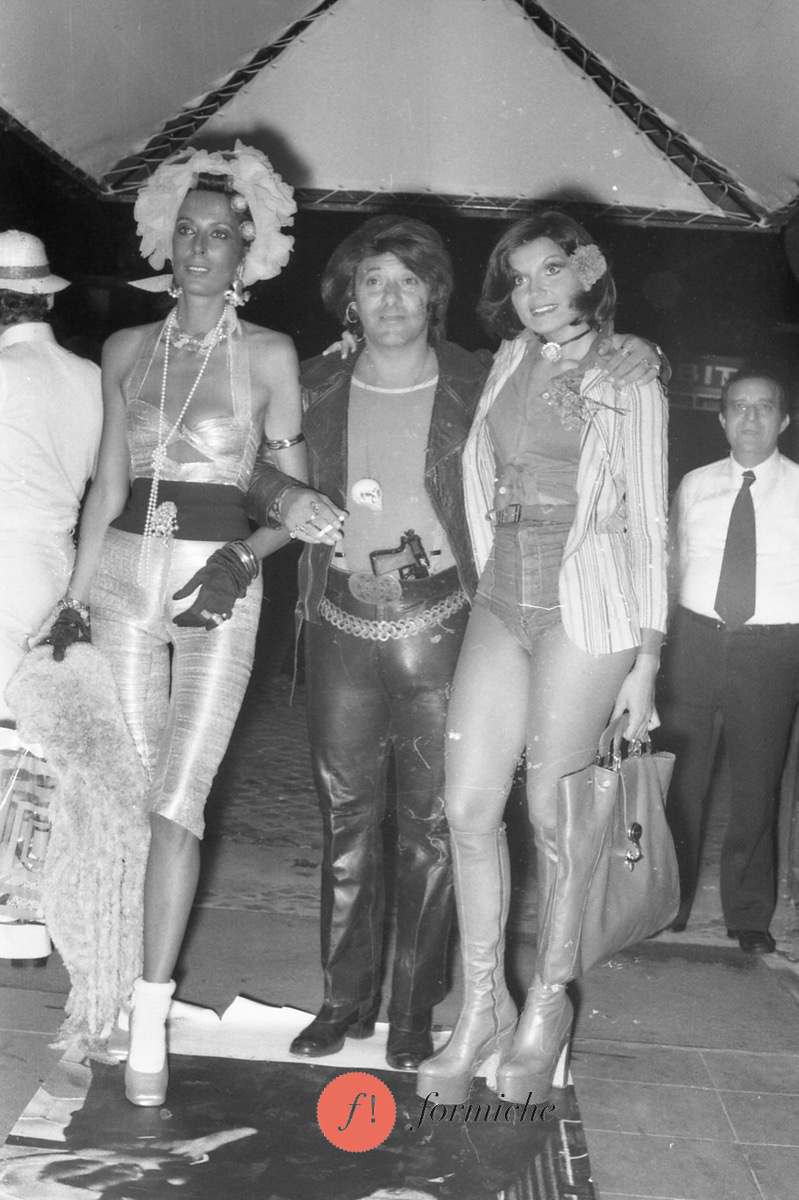
Helmut Berger’s party in 1974.
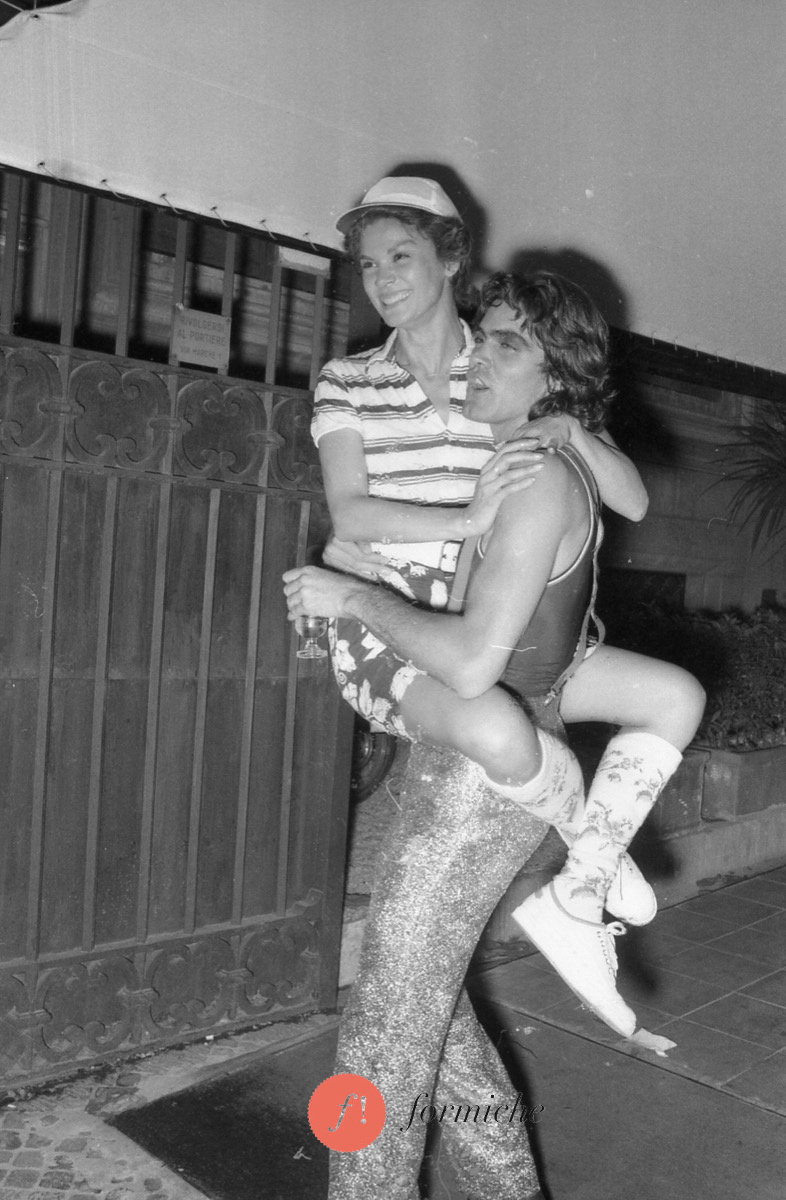
On the sultry evening of 17 June 1974, Rome's Jackie O’ night club transformed into a surreal stage for one of the most decadent birthday celebrations of the decade — Helmut Berger’s infamous 30th. Fresh from his cult stardom in The damned (1969) and Ludwig (1973), Berger was not merely the guest of honor — he was the spectacle itself. The soirée, curated like an opulent film production, bore the fingerprints of European high society and cinematic royalty. Marina Cicogna, heiress and film producer, managed casting; Adriana Asti crafted risqué costumes; and Paloma Picasso adorned guests in glittering jewels. Even the wigs — courtesy of Massimo Garcia — had their own glamour narrative. The guest list read like a fever dream of ‘70s pop culture. Bianca Jagger swirled past velvet ropes in sequined abandon, while Ursula Andress, still shimmering with Bond-girl allure, posed with Valentino and a smirking Florinda Bolkan. Photographer David Bailey captured the night’s glorious excess and Rome’s nightlife paparazzo, Umberto Pizzi, immortalized it in chiaroscuro candids. The dress code, famously ‘bad taste’ only amplified the theatrical decadence. It was Studio 54 transplanted to via Veneto, but with a Fellini twist — equal parts glam, satire and dream. At the heart of it all was Berger himself, decadent and defiant, embodying the blurred line between performance and reality. A protégé of Luchino Visconti and a symbol of sexual ambiguity in European cinema, he held court not with speeches but with gestures — moody, magnetic and maddening. The echoes of that night still ripple through Roman legend. In an era before social media, it was myth built on word-of-mouth and black-and-white film. For one night in 1974, time stopped, art danced and Helmut Berger was not just a man — he was cinema itself.
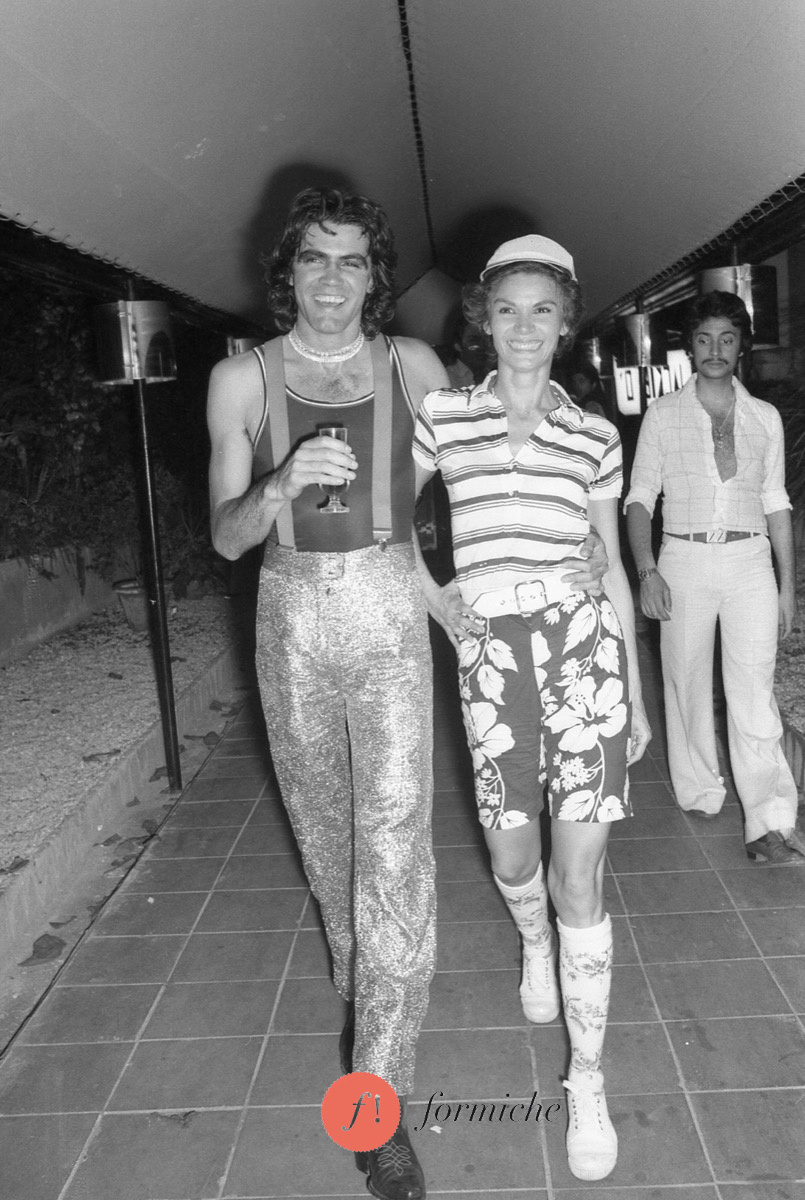
Helmut Berger’s birthday party in 1974.
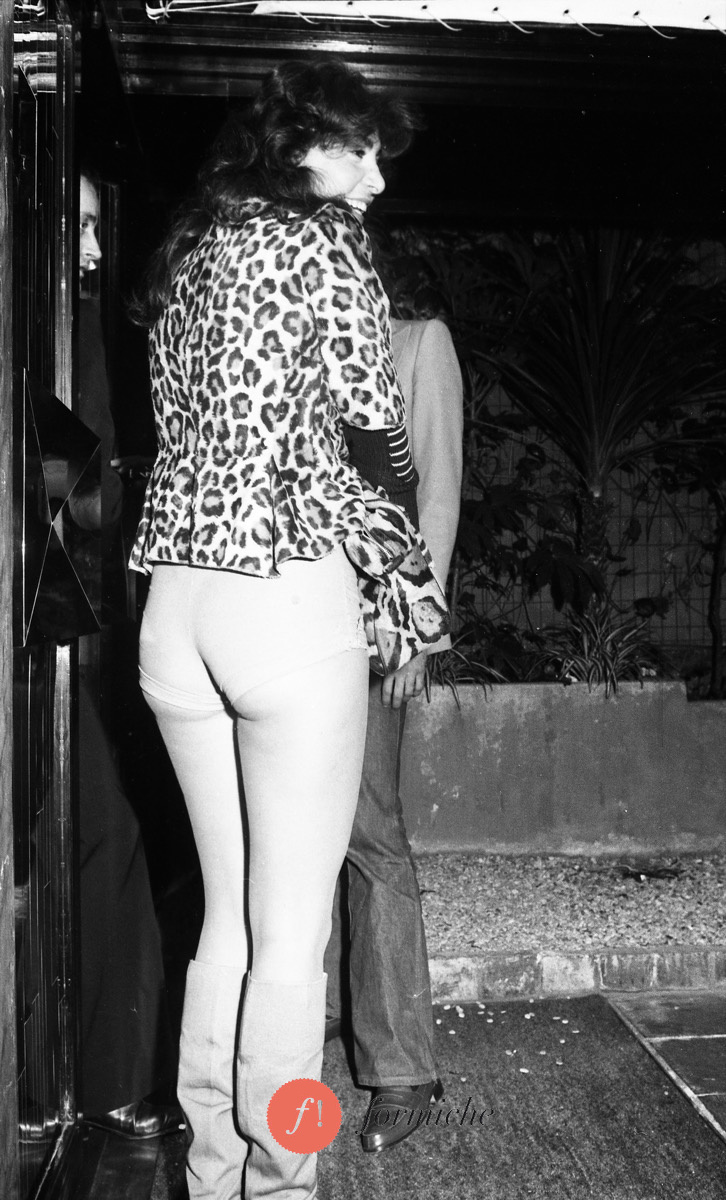
Loredana Bertè in 1974.
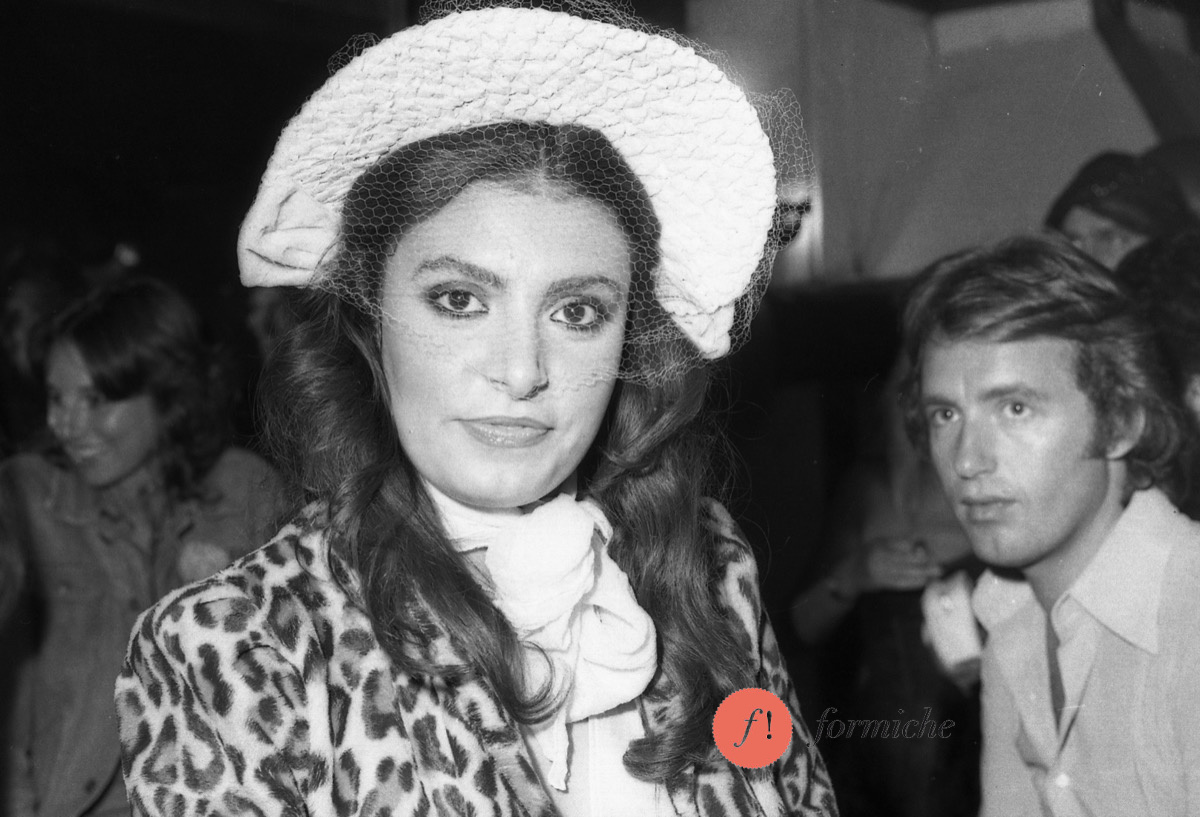
Loredana Bertè in 1974.
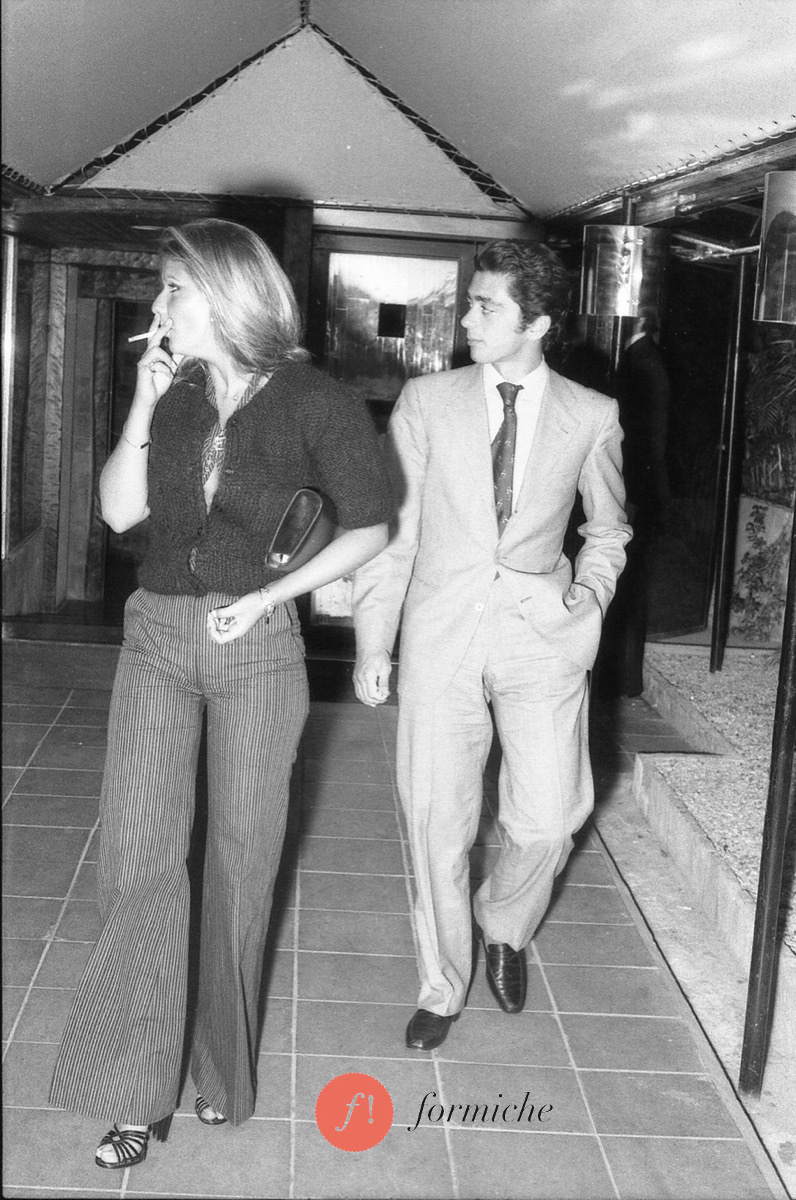
Paolo Leone in 1974.
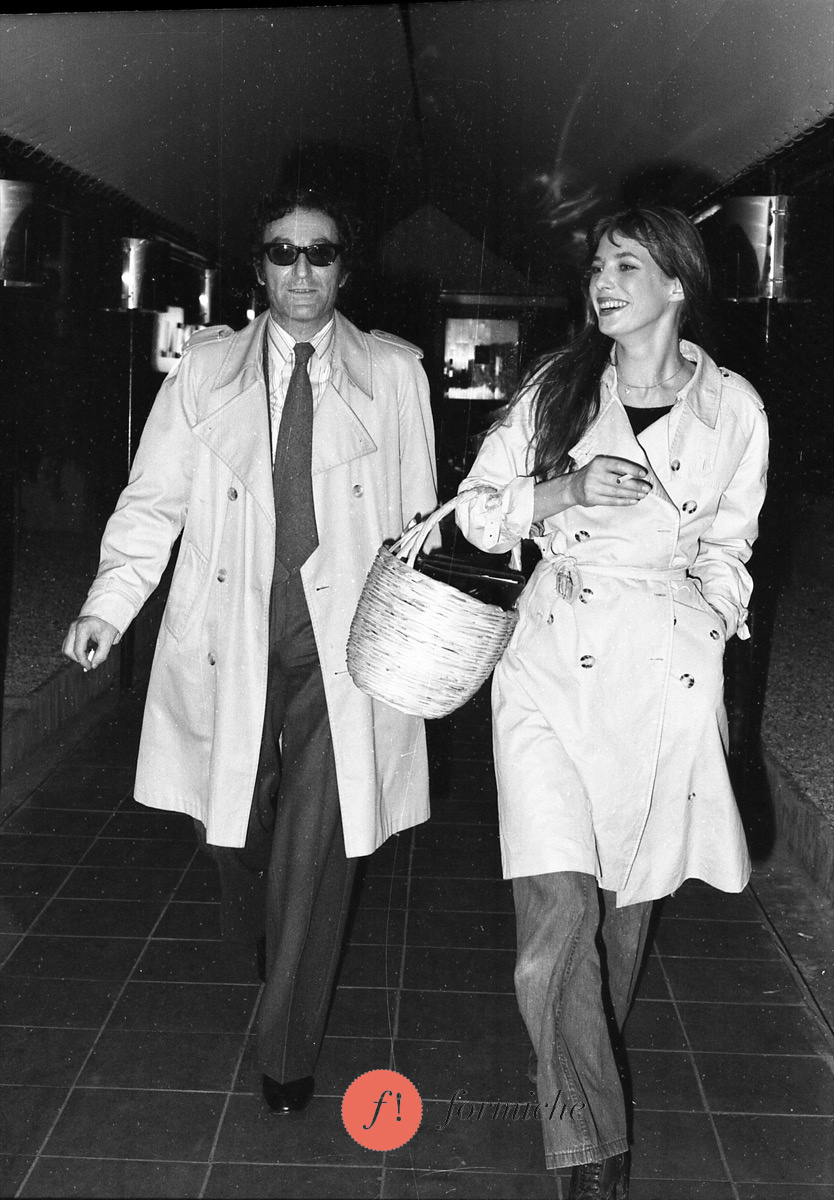
Jane Birkin in 1974.
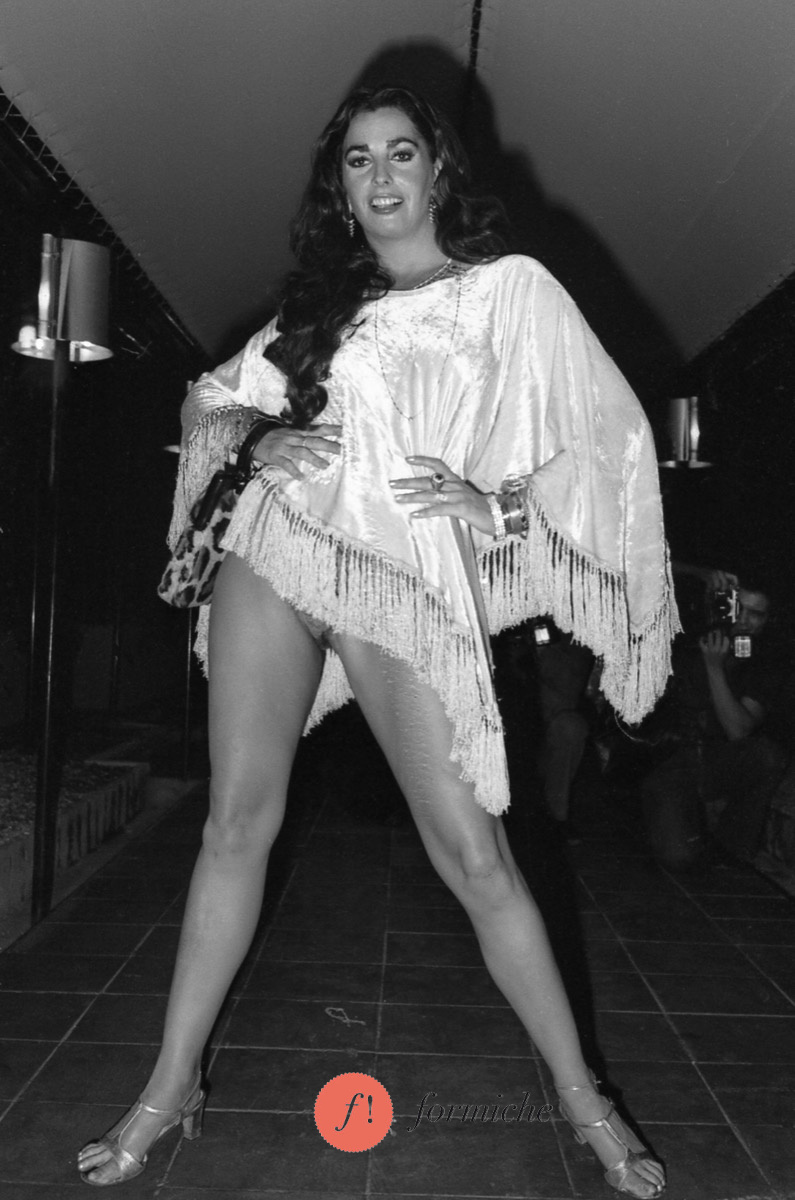
Edy Williams in 1974.
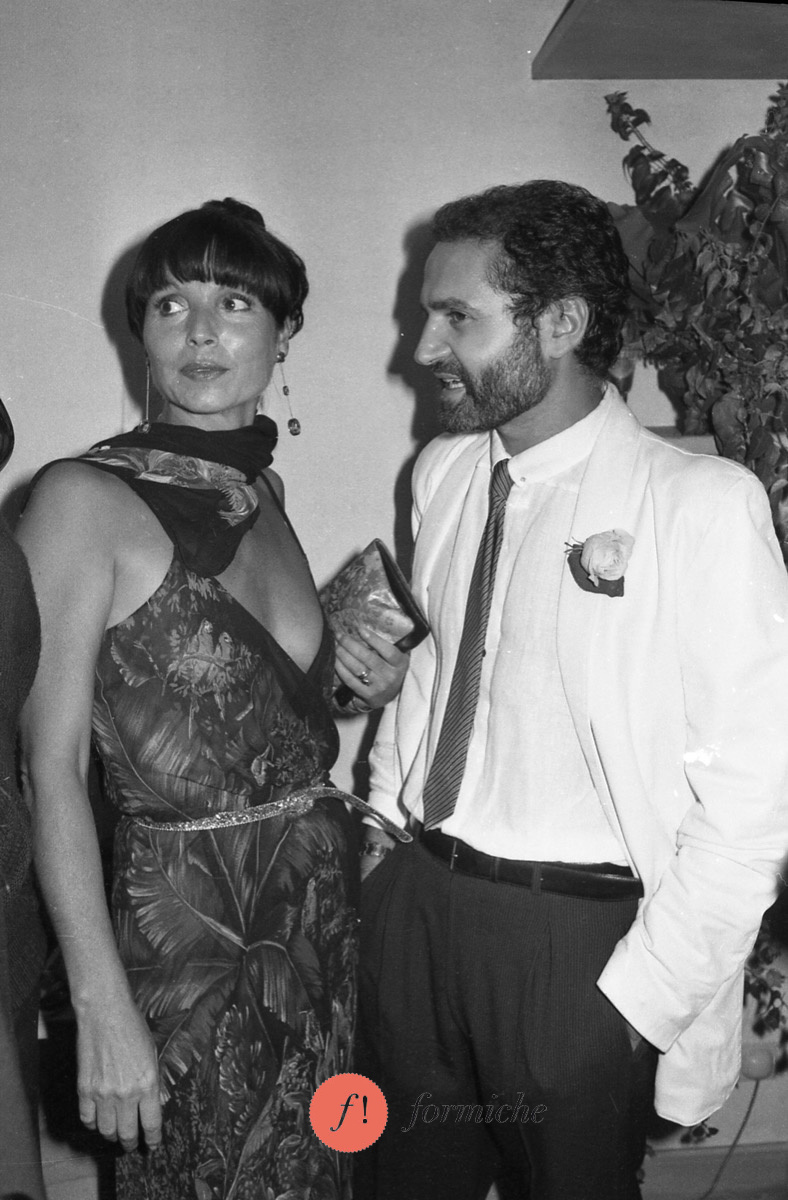
Elsa Martinelli and Gianni Versace in 1974.
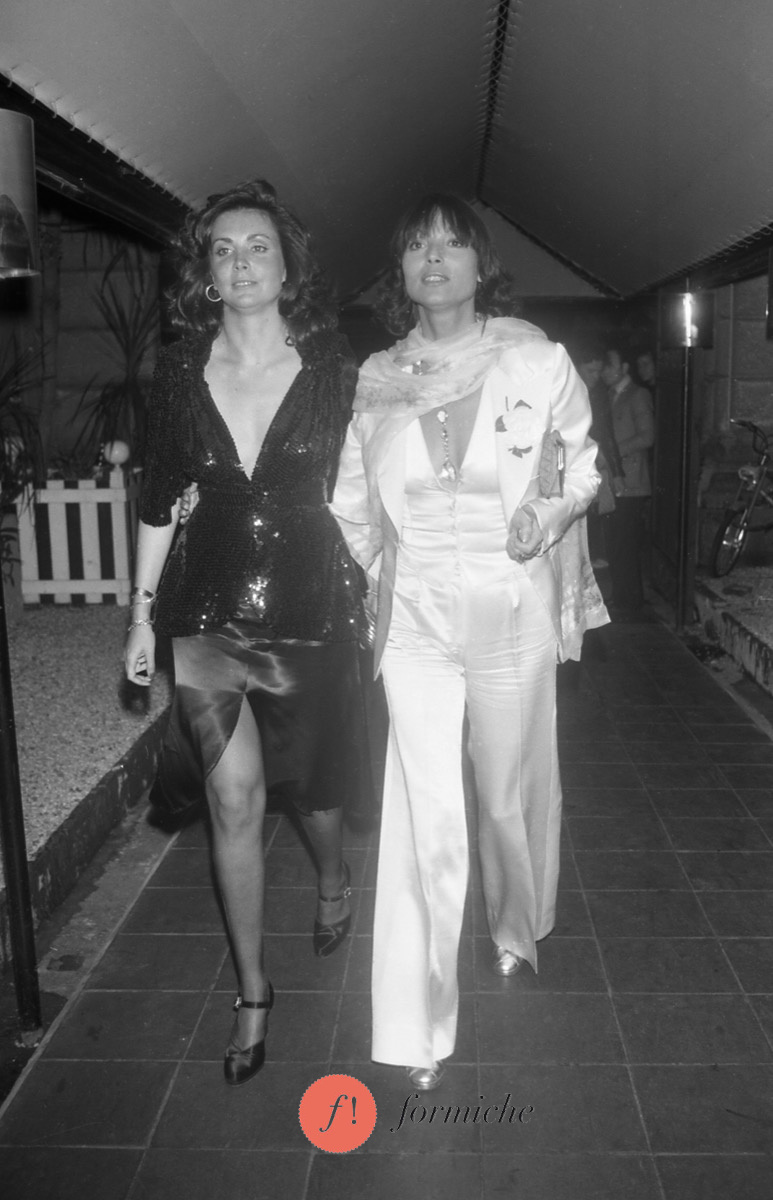
Marina Ripa di Meana and Elsa Martinelli in 1974.
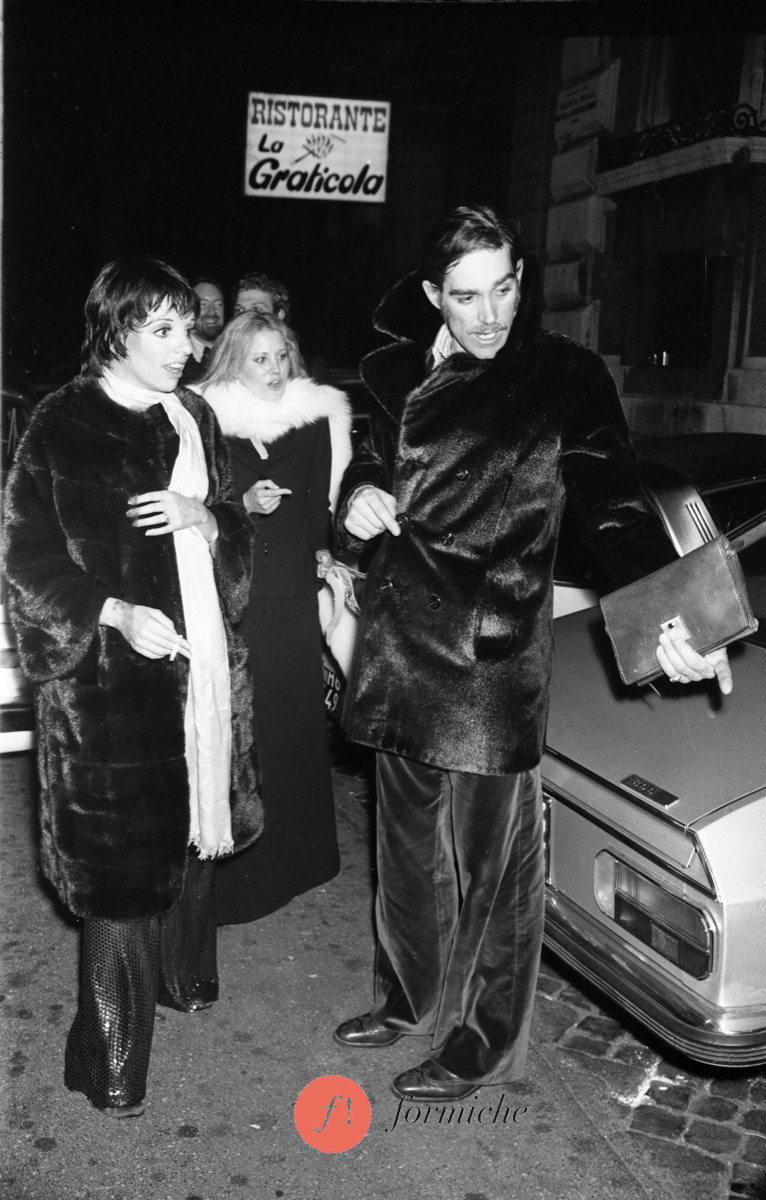
Liza Minnelli, Lorna Luft and Fabio Testi in 1974.
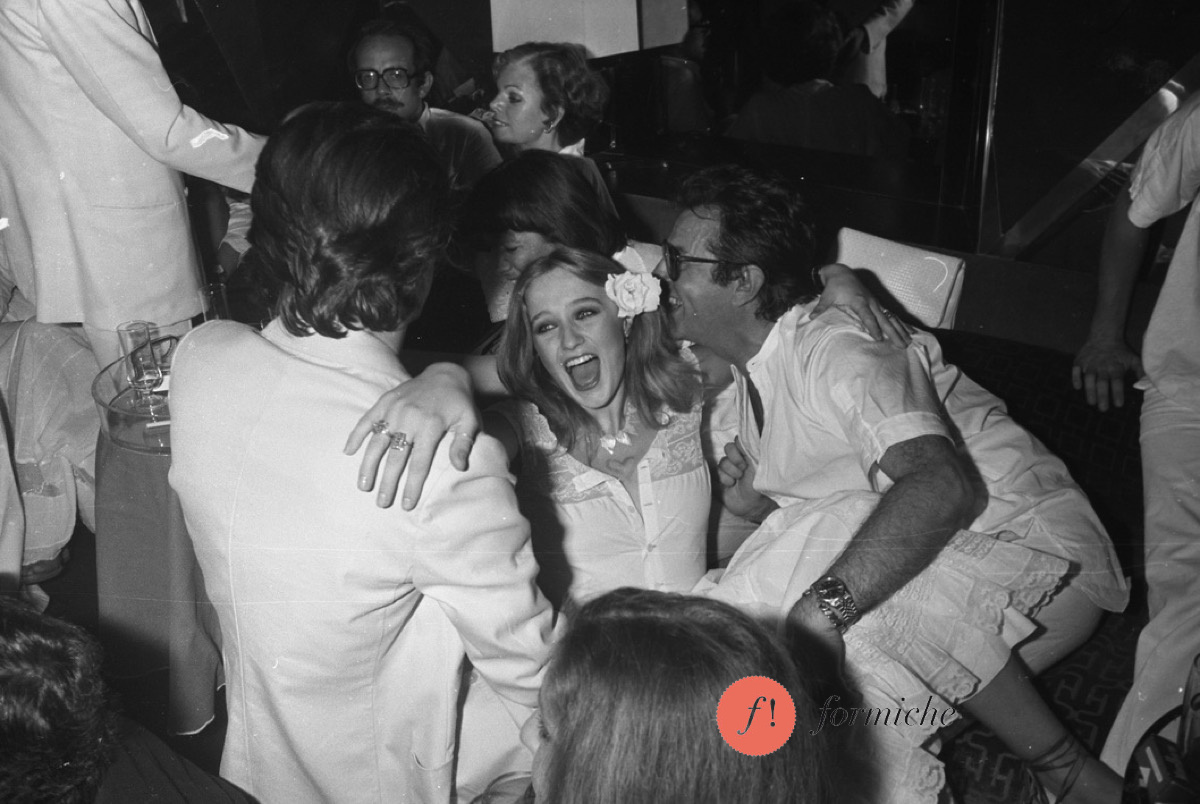
Enrico Lucherini.
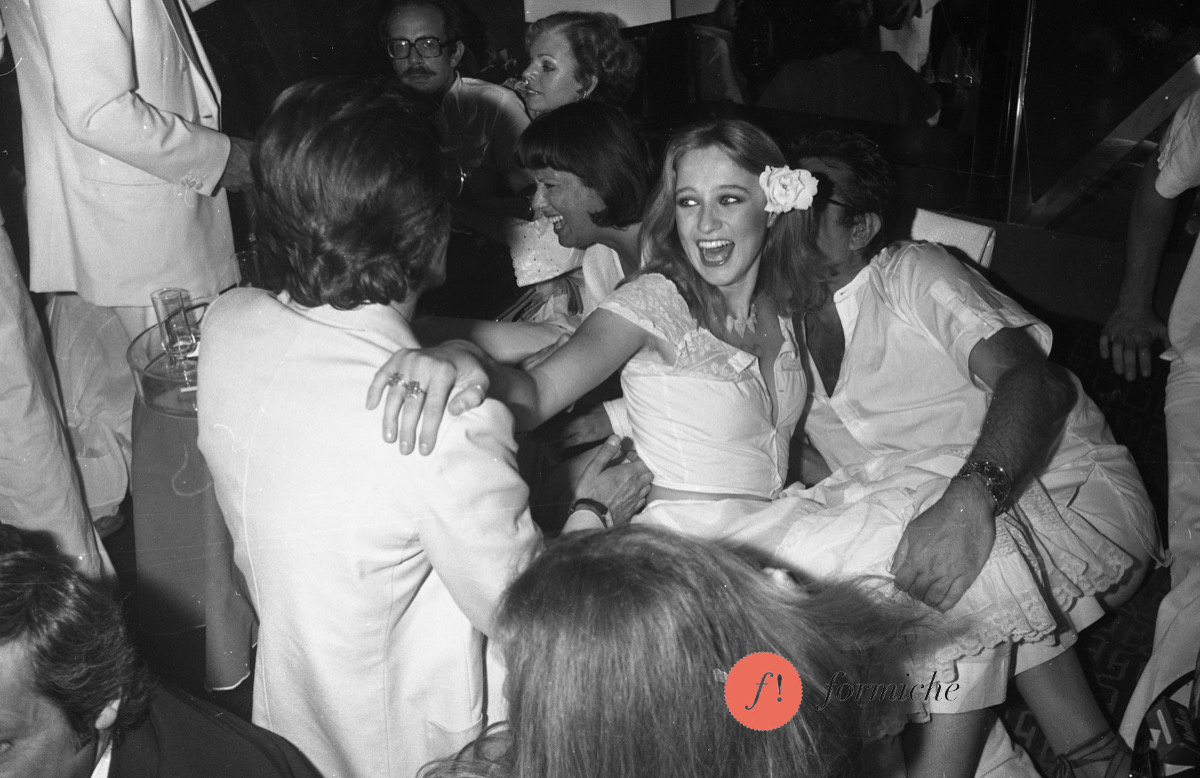
Enrico Lucherini.
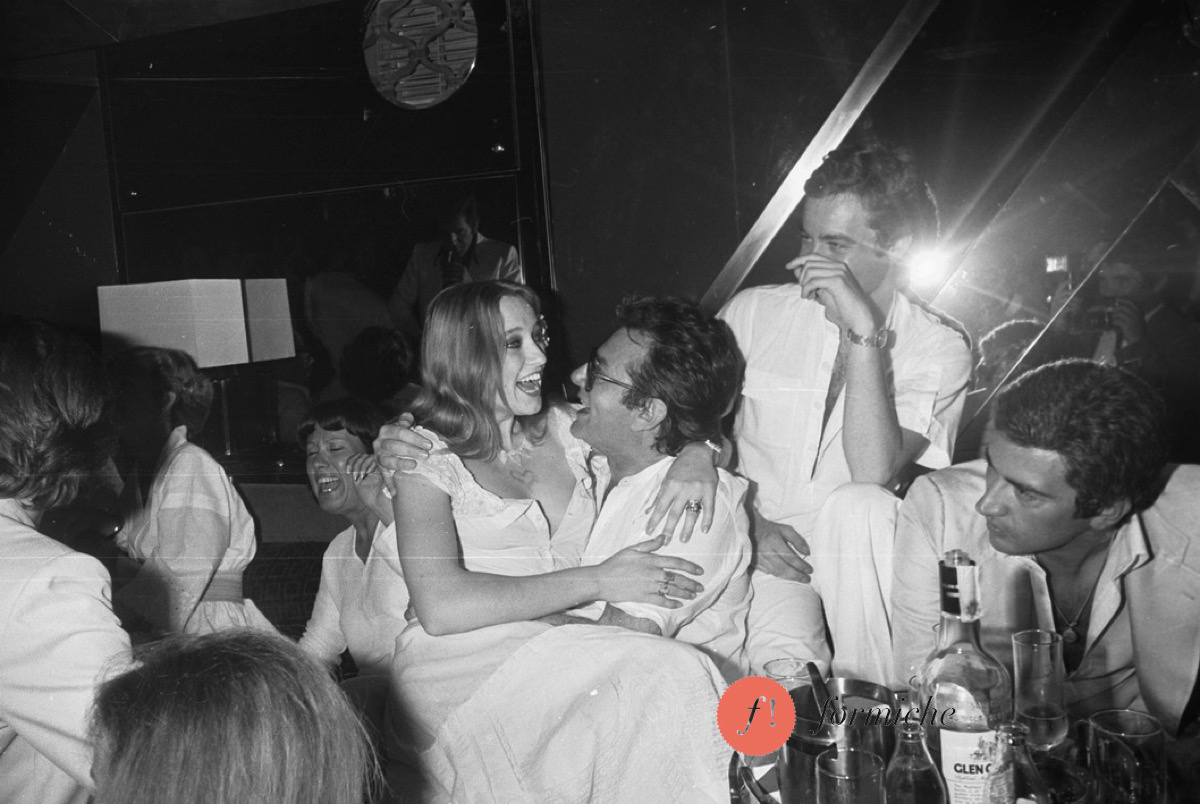
Enrico Lucherini.
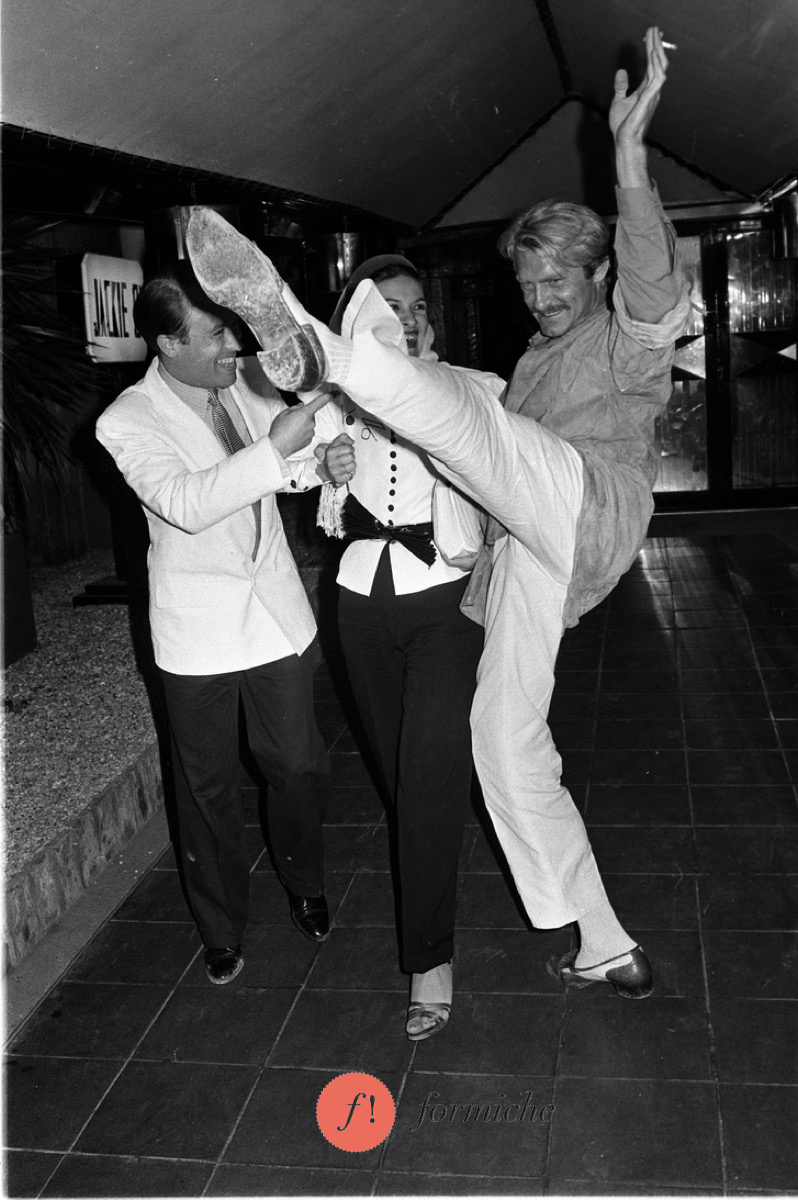
Paloma Picasso and Gil Cagnè.
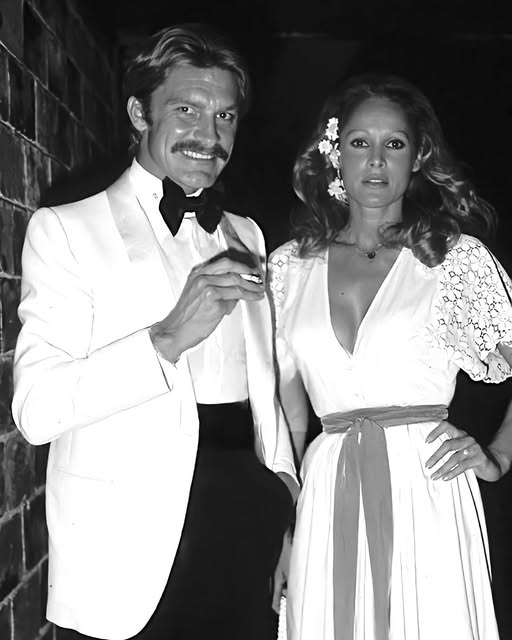
1975: the pinnacle of ‘70s glamour and excess in Rome. The 1970s marked a period of unparalleled cultural and social change, especially in the realm of style and entertainment. In 1975, Rome was at the heart of the glamorous European scene, buzzing with the luxurious and hedonistic energy that defined the decade. The white party at Jackie O’ nightclub was one of the most iconic gatherings of the era, attracting an elite group of socialites, artists and celebrities. Among the standout attendees were actress Ursula Andress and model Gil Cagné, who embodied the ideal blend of elegance and swagger that defined the 1970s. Their presence at this exclusive event underscored the era’s penchant for decadence and opulence, where fashion and lifestyle collided in the most spectacular ways. As the nightclub’s chandeliers shimmered under the dim lights, it became a sanctuary for those seeking to escape into a world of refined luxury and nonchalant coolness, forever immortalized through photographer Umberto Pizzi’s lens. Ursula Andress, who had already made her mark as a Bond girl in the 1960s film Dr. No, continued to captivate the public with her striking beauty and effortless grace. Her timeless style was a major influence on the fashion scene, particularly during the mid-1970s when designers embraced the relaxed yet glamorous aesthetic that was prevalent in the disco era. Ursula’s elegance at the white party was a testament to her status as an international icon of beauty and sophistication. On the other hand, Gil Cagné, a model and fixture of the high-fashion world, represented the epitome of ‘70s cool with his charismatic charm and fashion-forward sensibility. The synergy between him and Ursula at the event showcased the perfect juxtaposition of classical Hollywood glamour and the emerging free-spirited energy of the disco era. The 1970s were characterized by an increasing fusion of high fashion, celebrity culture and nightlife. Rome, with its rich history and contemporary flair, served as the perfect backdrop for this new kind of celebration. The white party at Jackie O’ nightclub became a symbol of an era defined by excess, both in the form of fashion and the decadent, carefree lifestyle that accompanied it. People like Andress and Cagné, with their bold fashion choices and undeniable presence, became figures that not only embodied the spirit of the time but helped to shape its legacy. As we look back on these moments captured in time, it’s clear that the 1970s were a pivotal decade for the intersection of fashion, entertainment and personal expression, leaving a lasting influence on both popular culture and the world of luxury nightlife.
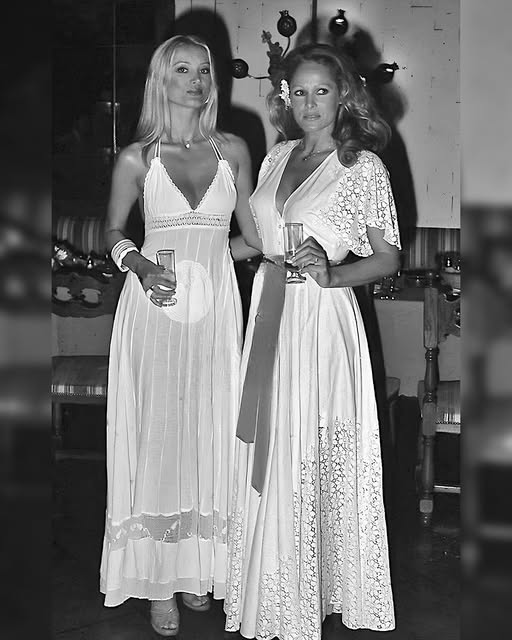
Ursula Andress and Barbara Bouchet at the White Party of Jackie O’ nightclub in 1975.
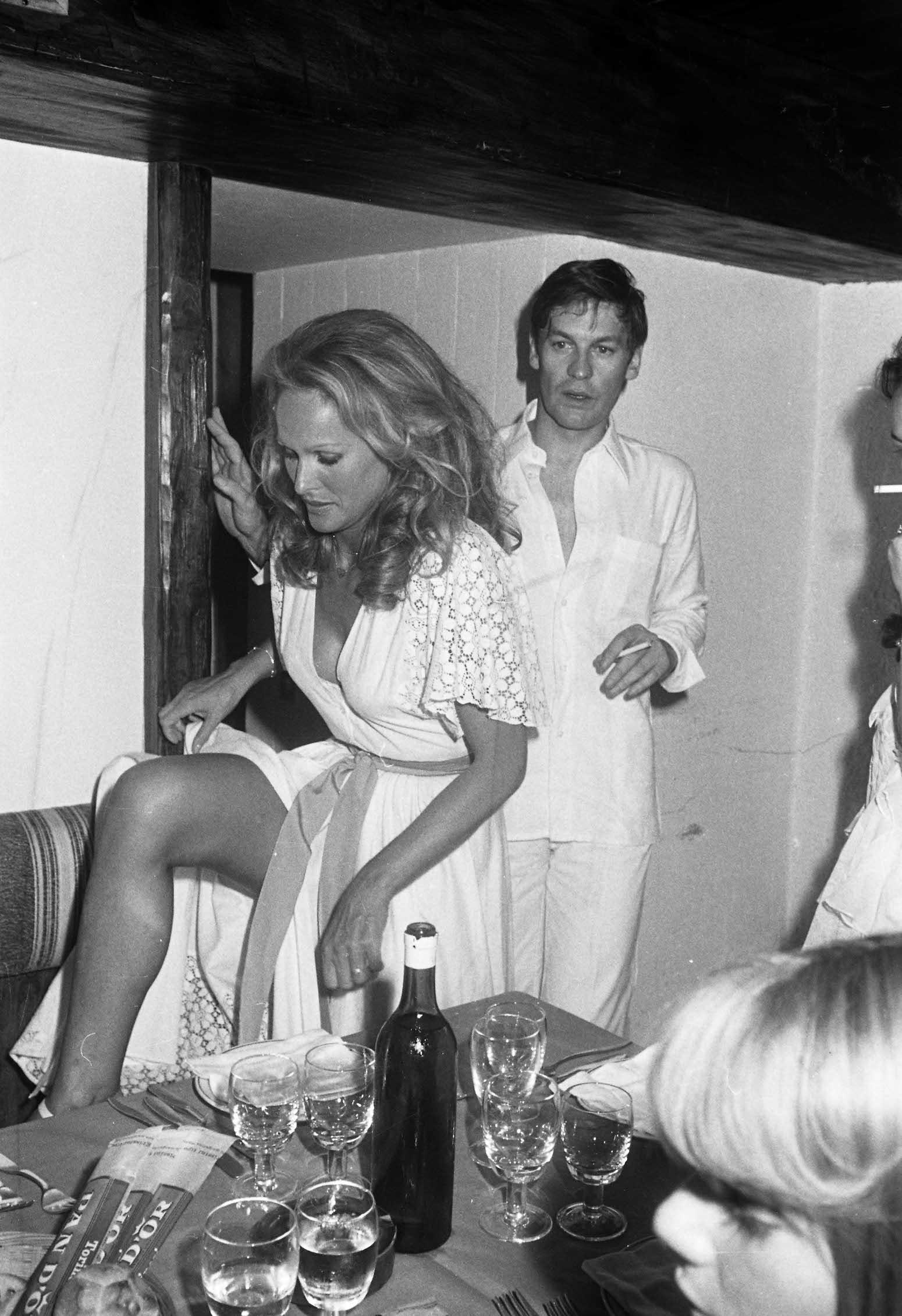
Ursula Andress and Helmut Berger in 1975.
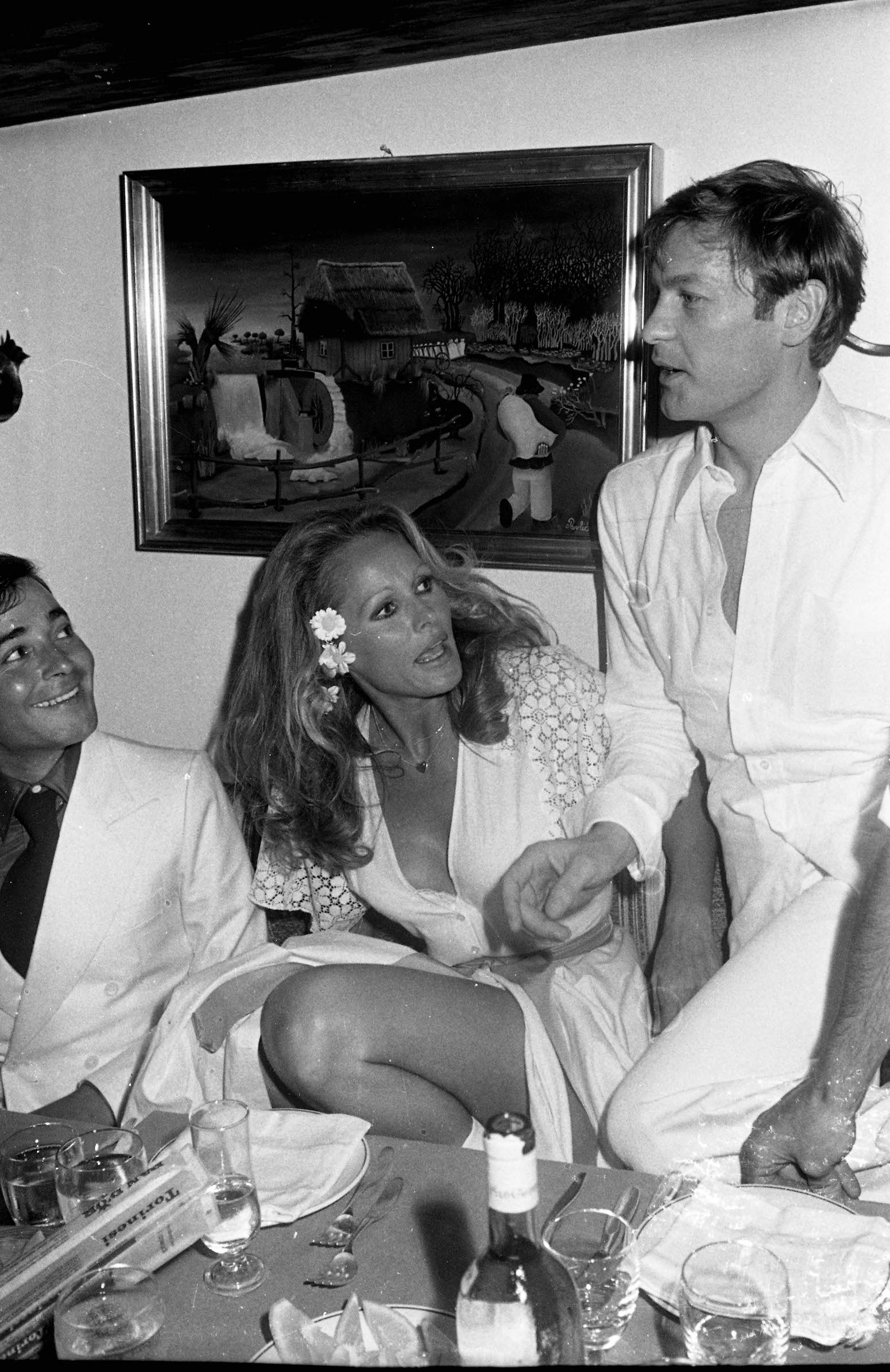
Ursula Andress and Helmut Berger in 1975.
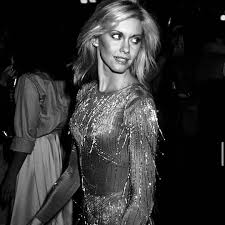
1975: a glamorous era of European nightlife. In 1975, Rome's nightlife was at its peak, with legendary venues like Jackie O’s nightclub serving as a melting pot for global celebrities, aristocrats and artists. The club was known for attracting the who’s who of the entertainment world, with international stars making grand entrances into the fashionable and electric atmosphere. During this era, Rome was not only a center for cinema and art but also a cultural hub for the glitterati who frequented its most exclusive spots. Johnny Hallyday, the French rock icon, and his wife Sylvie Vartan, a celebrated pop singer, were among the most prominent guests. Their presence at a soirée hosted by the Greek shipping magnate, Yiannis Carras, was a symbol of the larger-than-life characters that graced the city’s nightlife. Guests like Italian actress Elsa Martinelli and Roberto Rossellini Jr. also added to the allure, keeping the energy alive throughout the night. The glamour of Jackie O’ captured the essence of Italy’s ‘Dolce Vita’ and served as an intimate space for stars to mingle while embracing their iconic status. The 1970s were defined by a bold sense of fashion, freedom and sophistication. The club scene, particularly in cities like Rome and Paris, acted as a space where celebrities could reinvent themselves in the public eye while still embracing their private personas. At the time, fashion was both daring and distinct, with sharp silhouettes, bell-bottoms and sequins dominating the style scene. The influence of European high society was profound and the stars who walked into these clubs were often seen as the epitome of glamour and grace. The likes of Johnny Hallyday and Sylvie Vartan not only influenced the music industry but also shaped the pop culture and style trends of the time. This period also witnessed the fusion of music and fashion, with musicians frequently appearing in avant-garde outfits that were both timeless and contemporary. Hallyday and Vartan’s legendary status was cemented during this time, not only as musicians but as symbols of French chic and elegance. Among the club’s regulars was the ever-stylish Gil Cagné, whose presence was unmistakable. Known for his charming and regal persona, Cagné embodied the sophisticated flair that was characteristic of Jackie O's clientele. His fashion sense was admired and respected and he was often seen as a figurehead of the luxurious European lifestyle during the 70s. The 1970s in Rome was a decade of decadence, with an abundance of glamour, artistic expression and a rising sense of freedom. For those fortunate enough to be in the right circles, the Jackie O club became more than just a nightlife destination — it was a statement, a place where the boundaries between art, celebrity and fashion blurred into something truly spectacular. The stunning combination of pop culture icons, luxury and the unparalleled elegance of the era made Jackie O’s nightclub one of the most iconic locations in 1970s Europe.
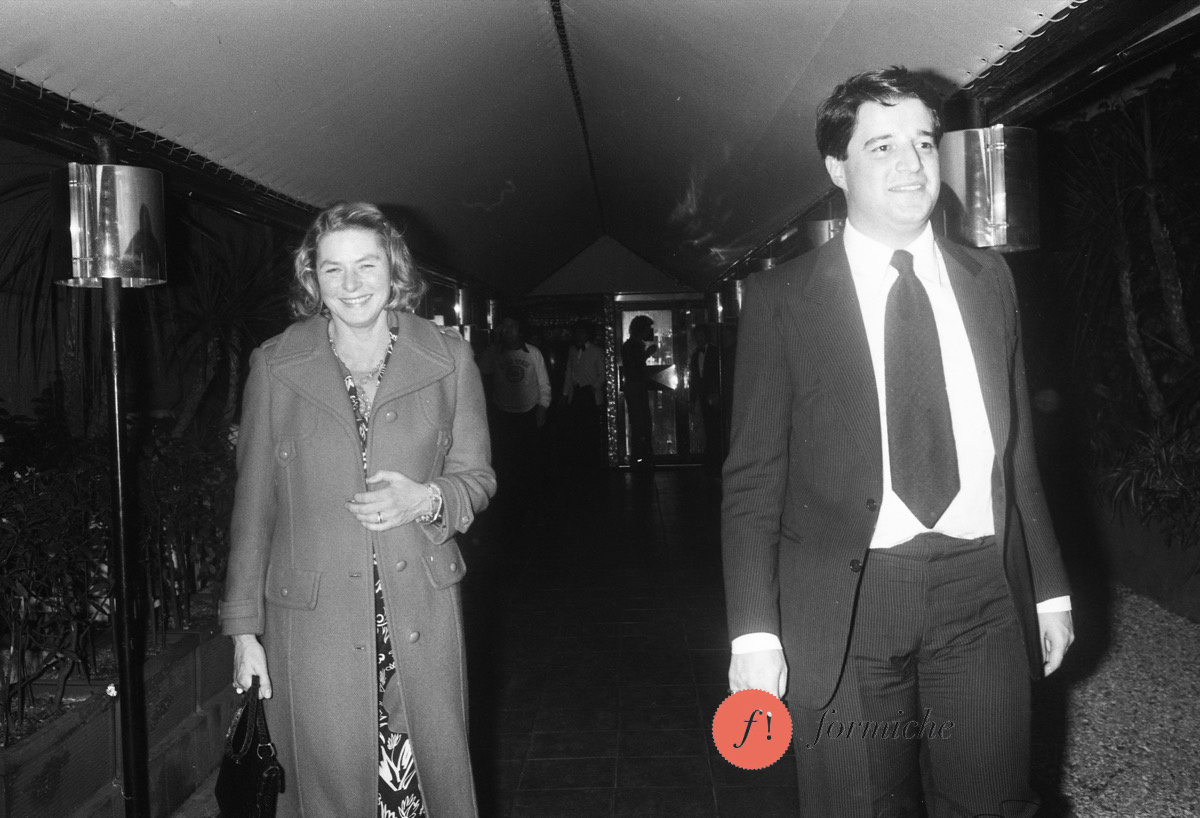
Ingrid Bergman and Christian De Sica in 1975.
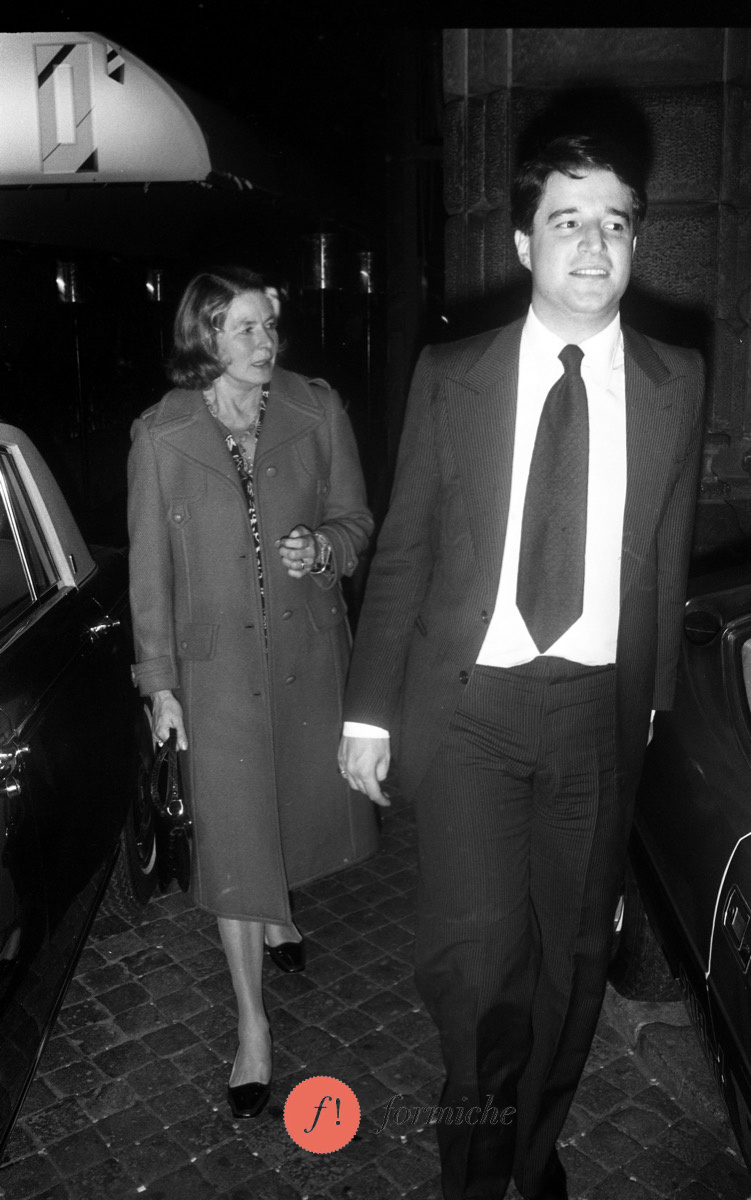
Ingrid Bergman and Christian De Sica in 1975.
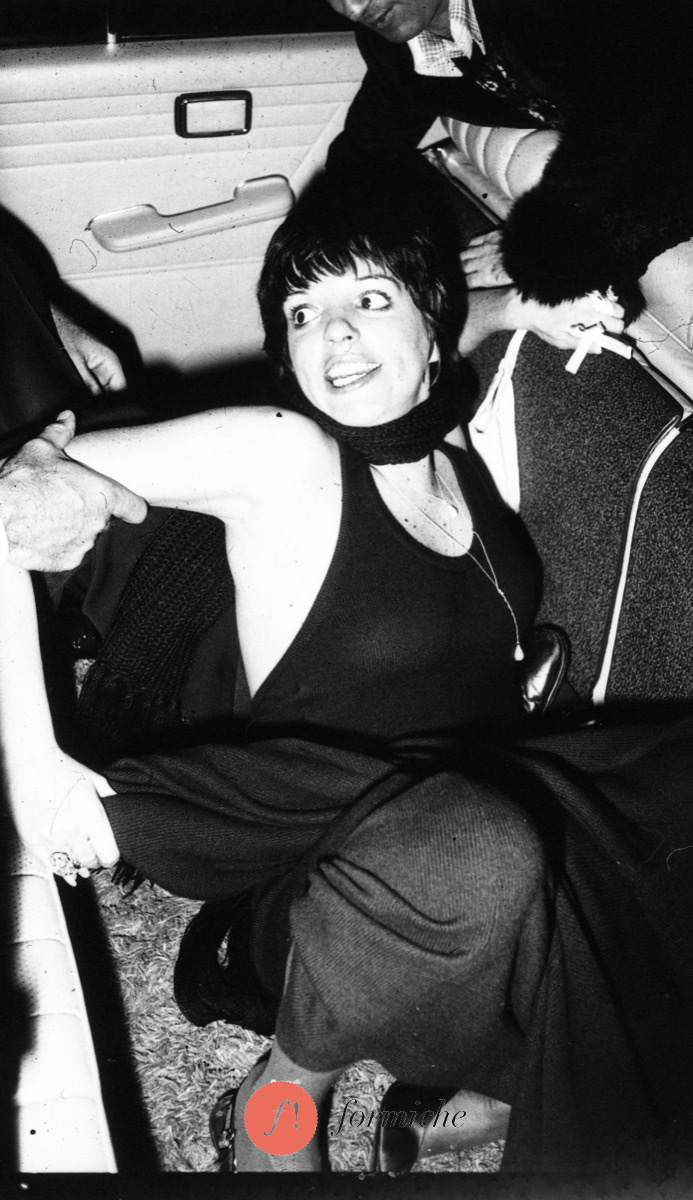
Liza Minnelli in 1975.
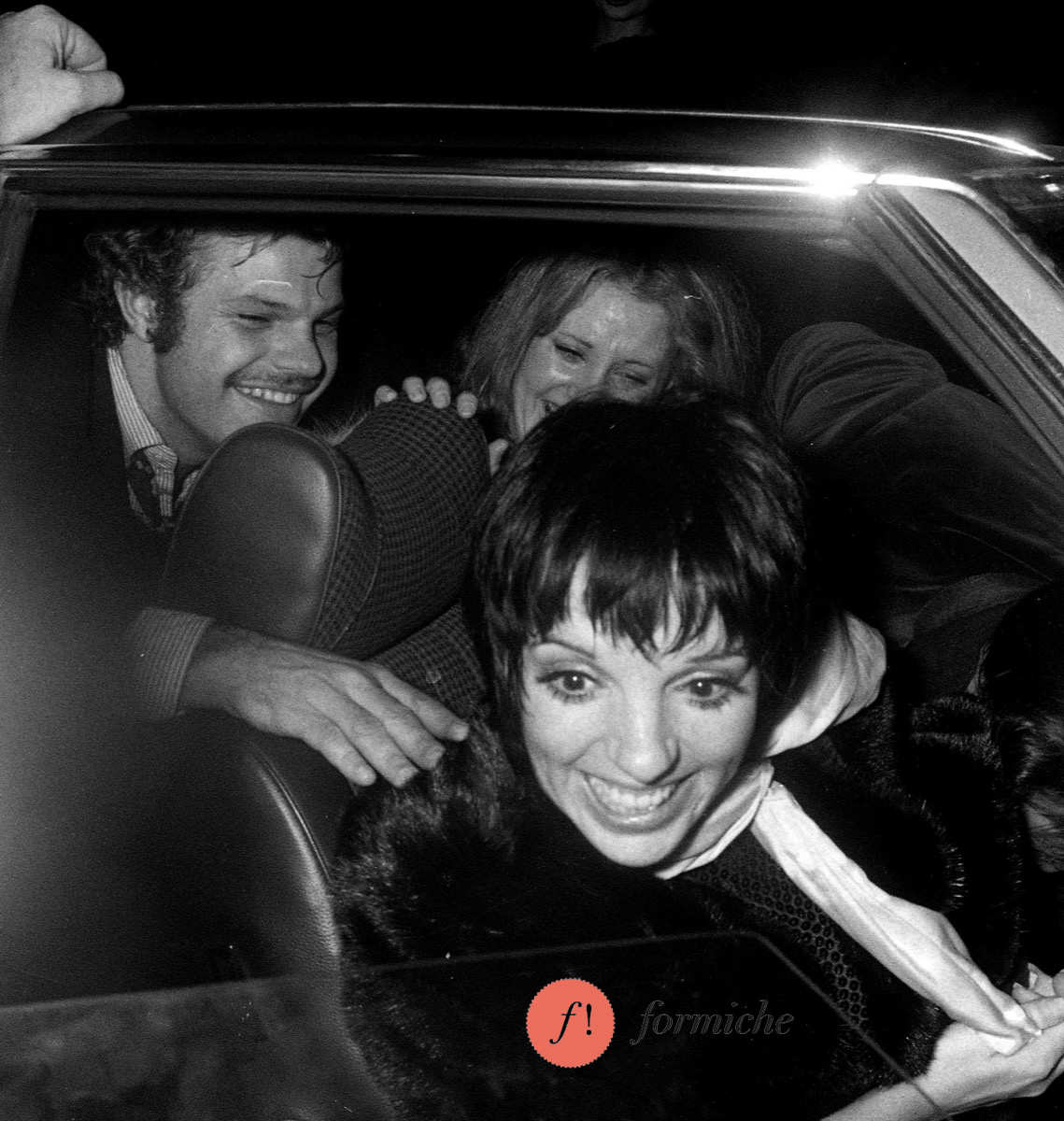
Liza Minnelli in 1975.
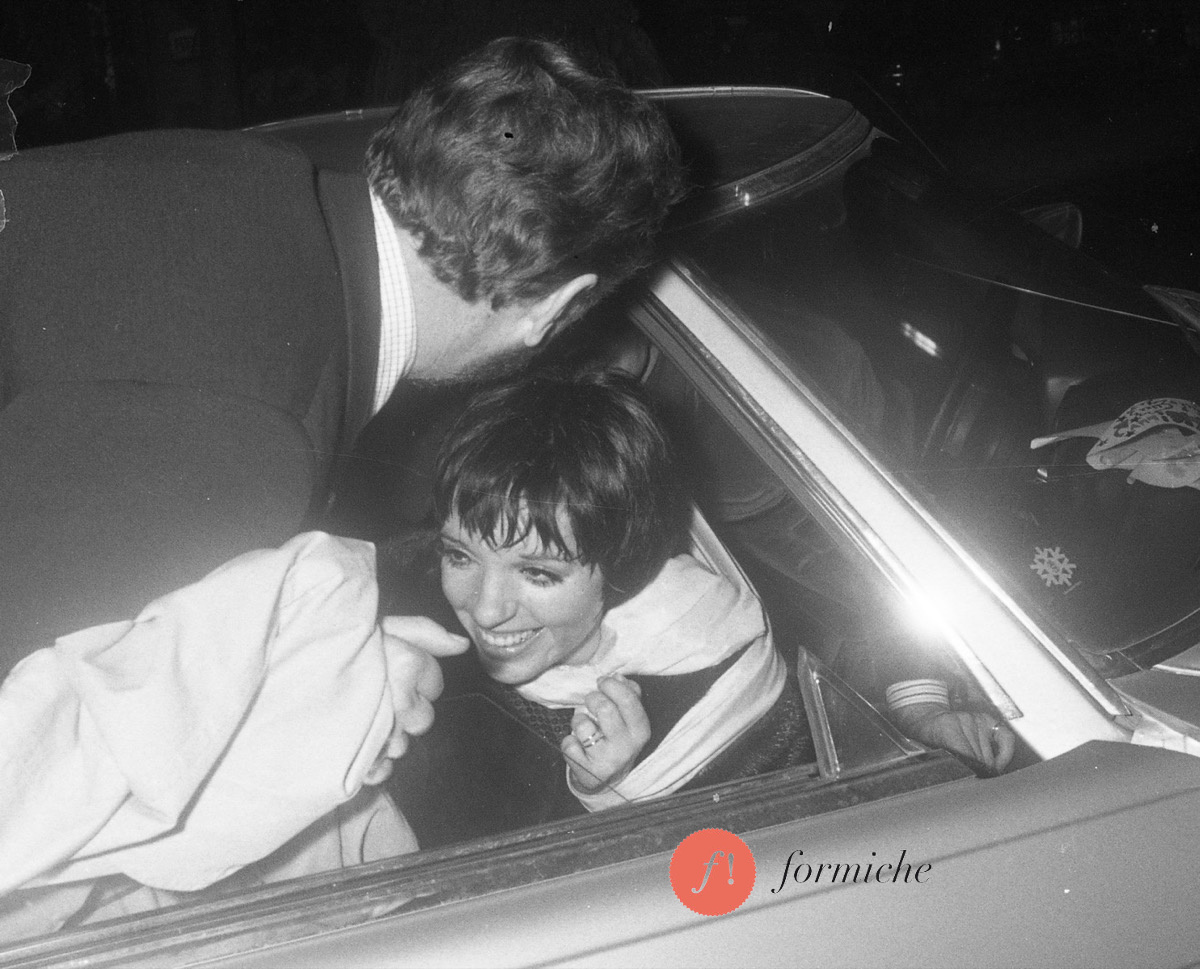
Liza Minnelli in 1975.
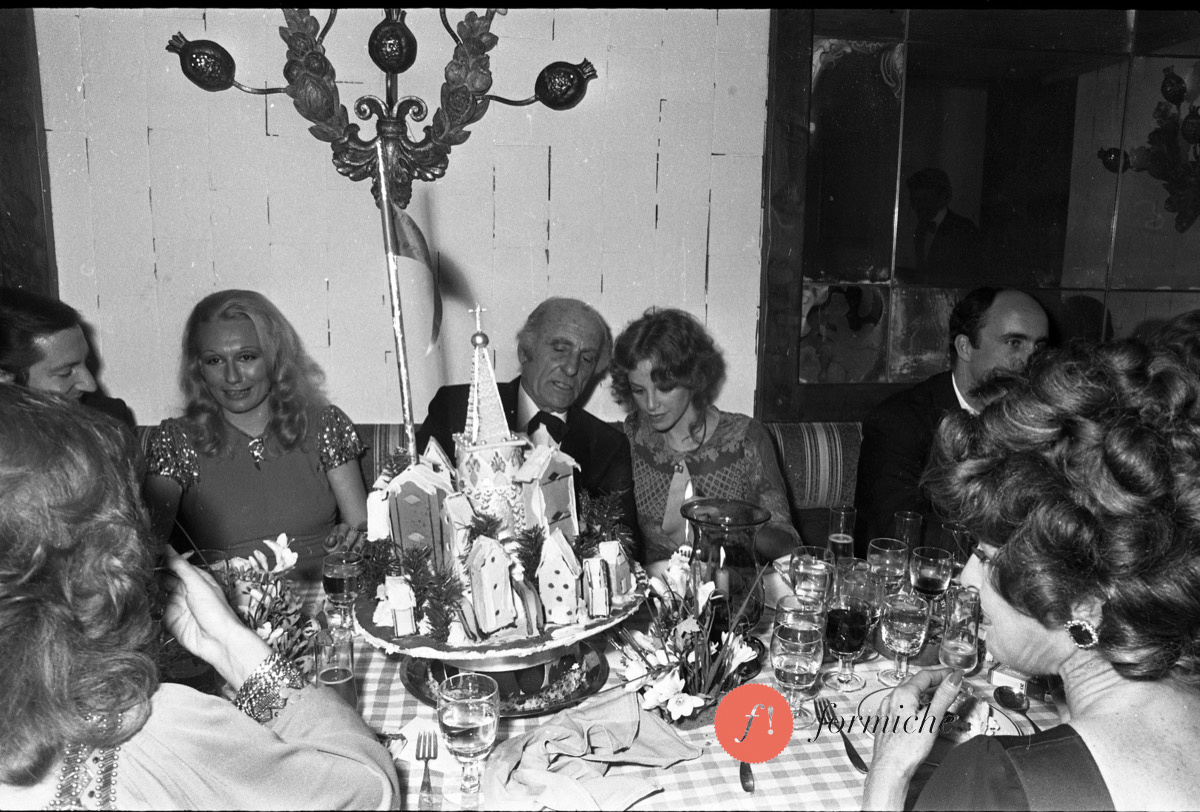
Sydne Rome in 1975.
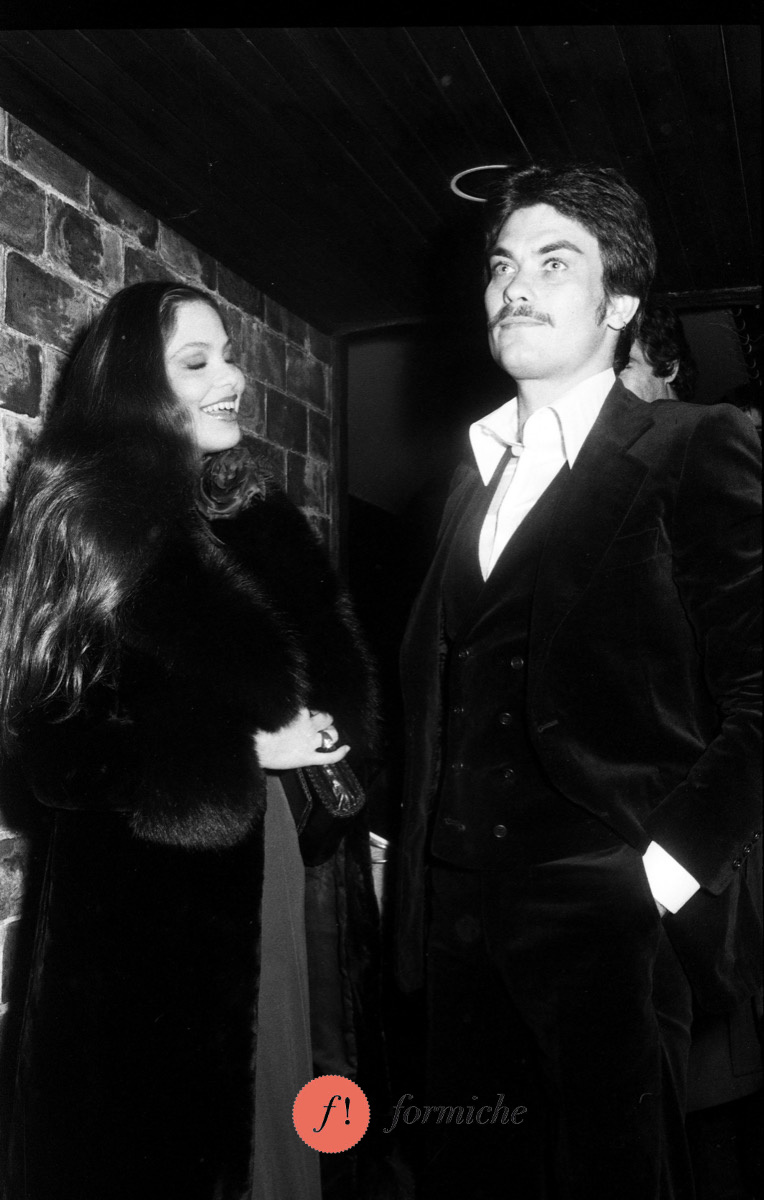
Ornella Muti and Alessio Orano in 1975.
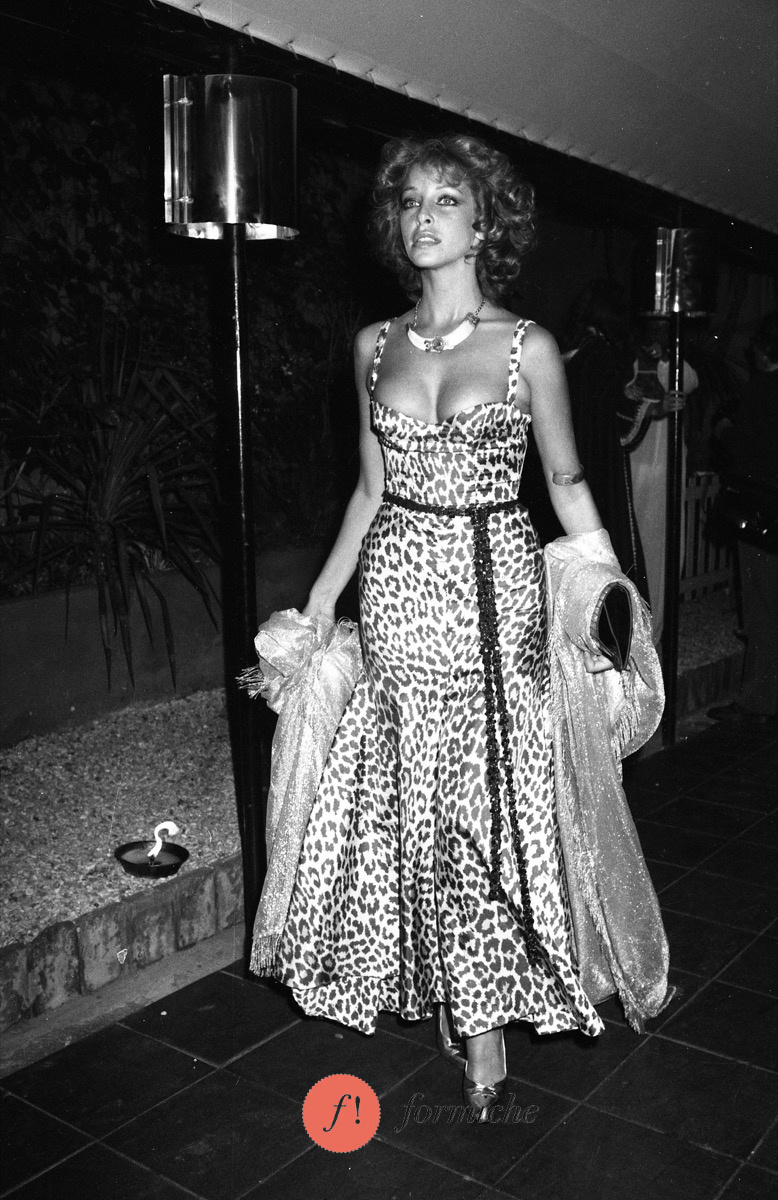
Sydne Rome in 1975.
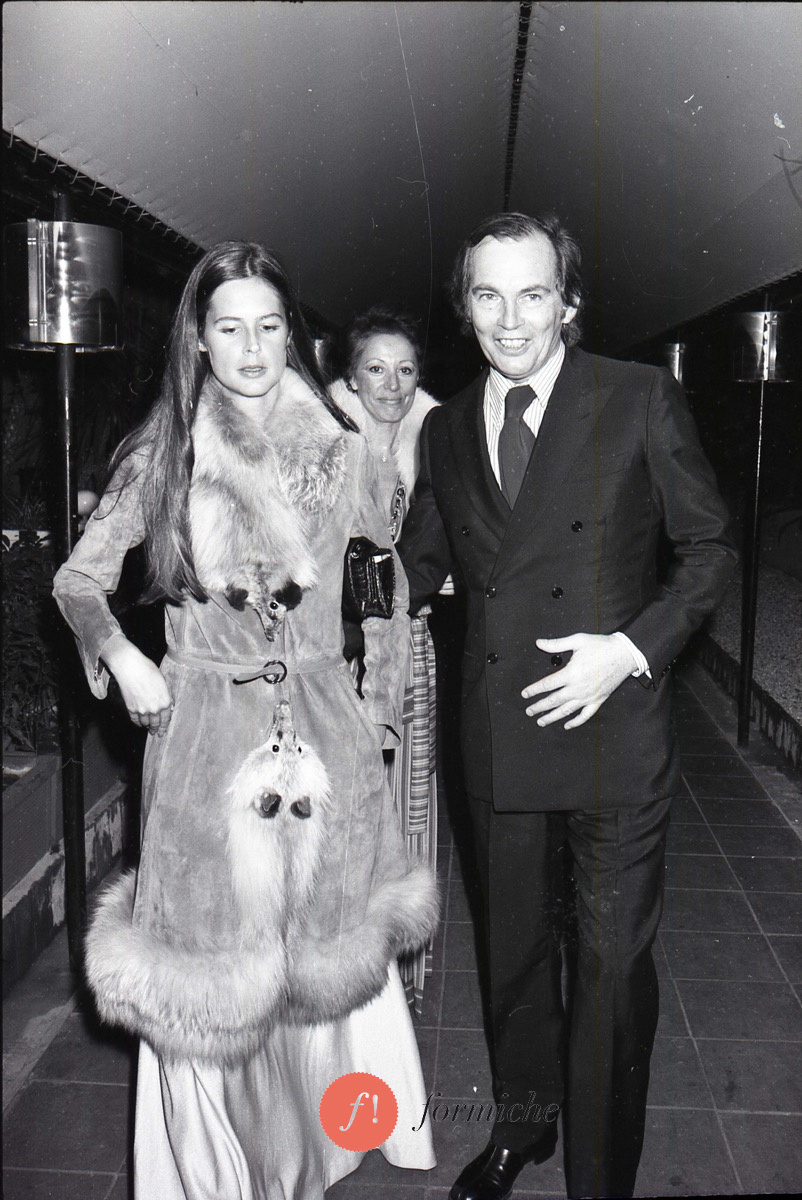
Barbara Zoellner and Christiaan Barnard in 1975.
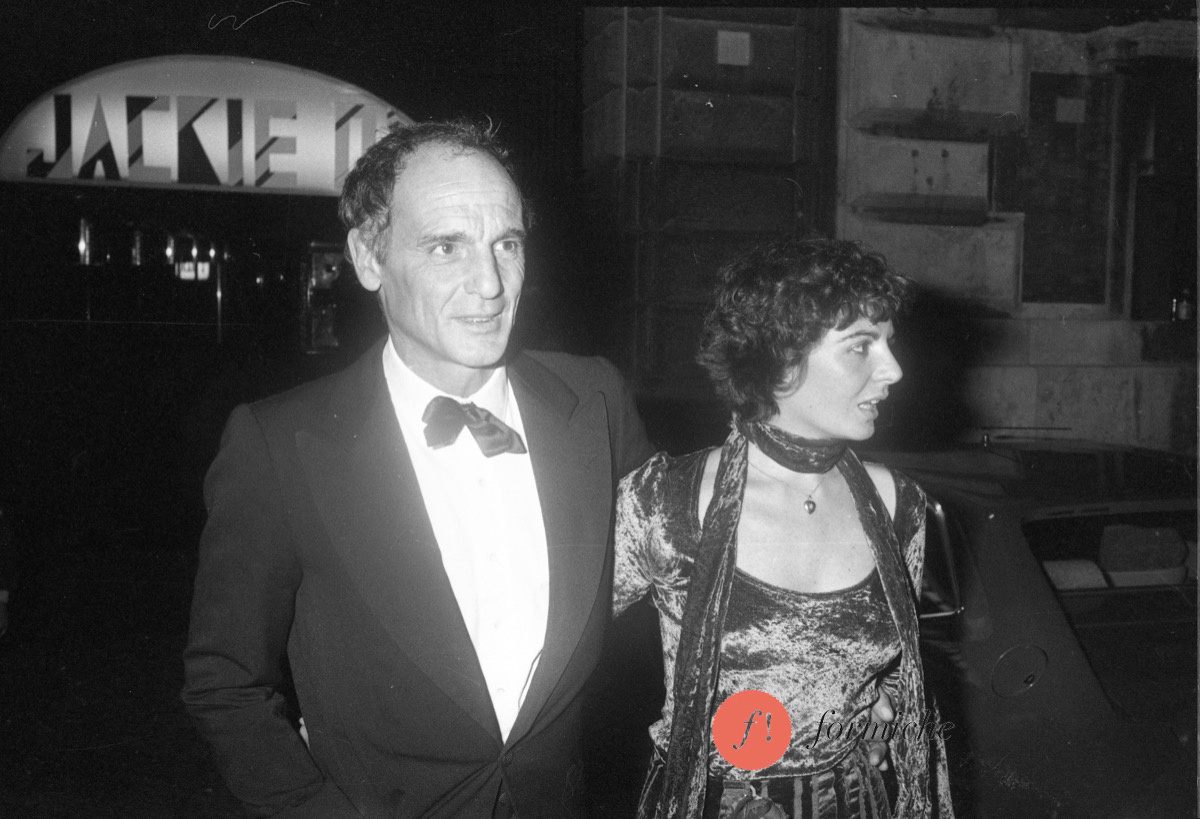
Philippe Leroy and Emma Bini in 1975.
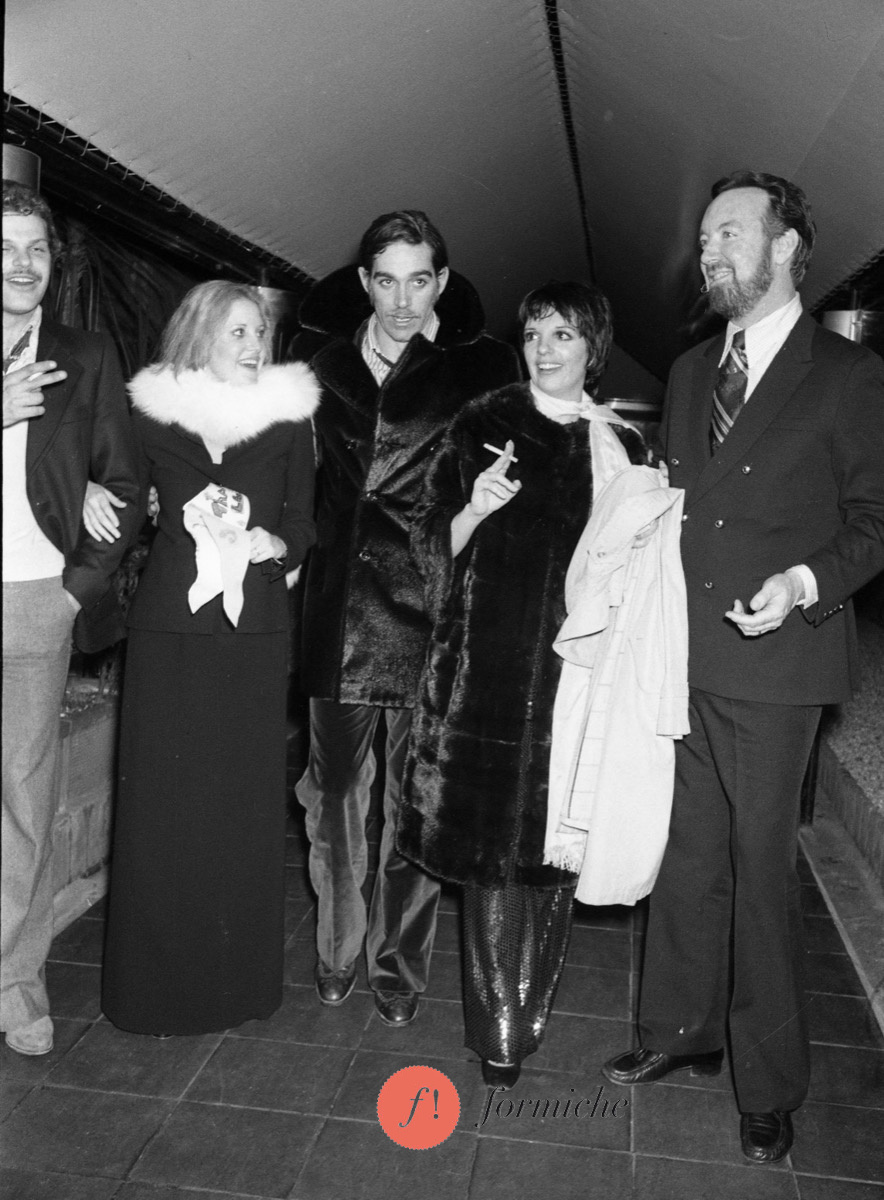
Lorna Luft, Fabio Testi, Liza Minnelli and Jack Haley in 1975.
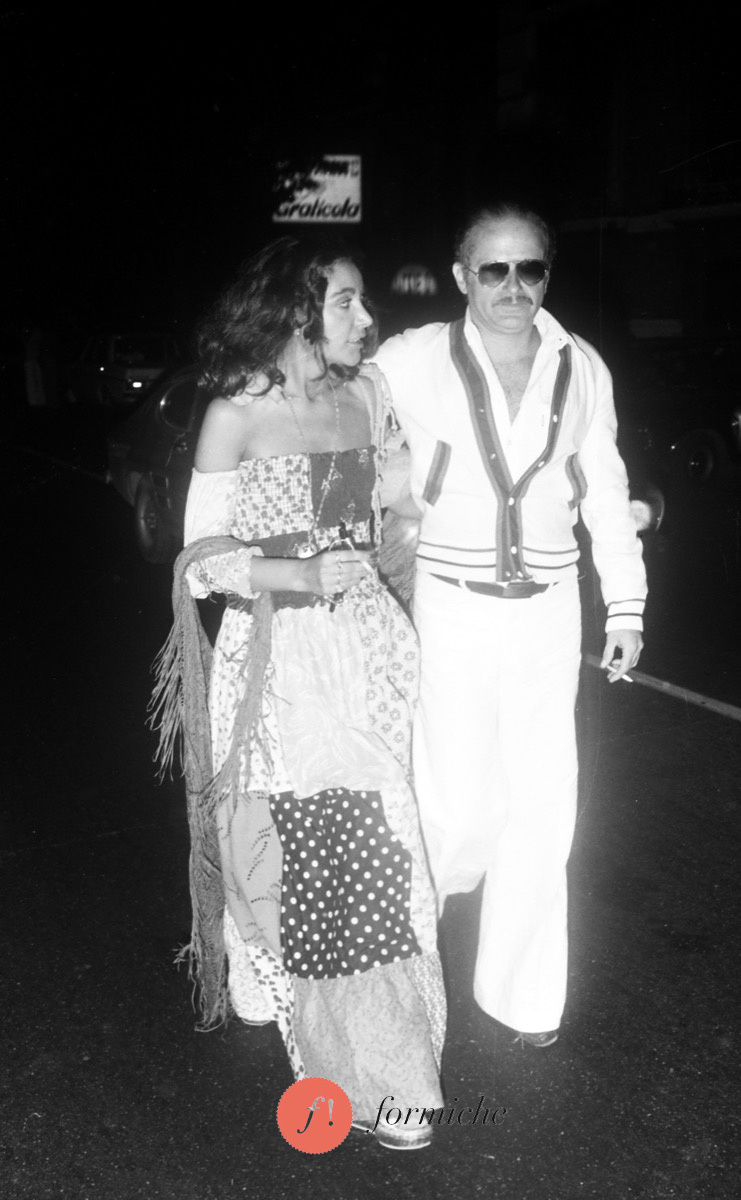
Mia Martini with Gino Paoli in 1975.
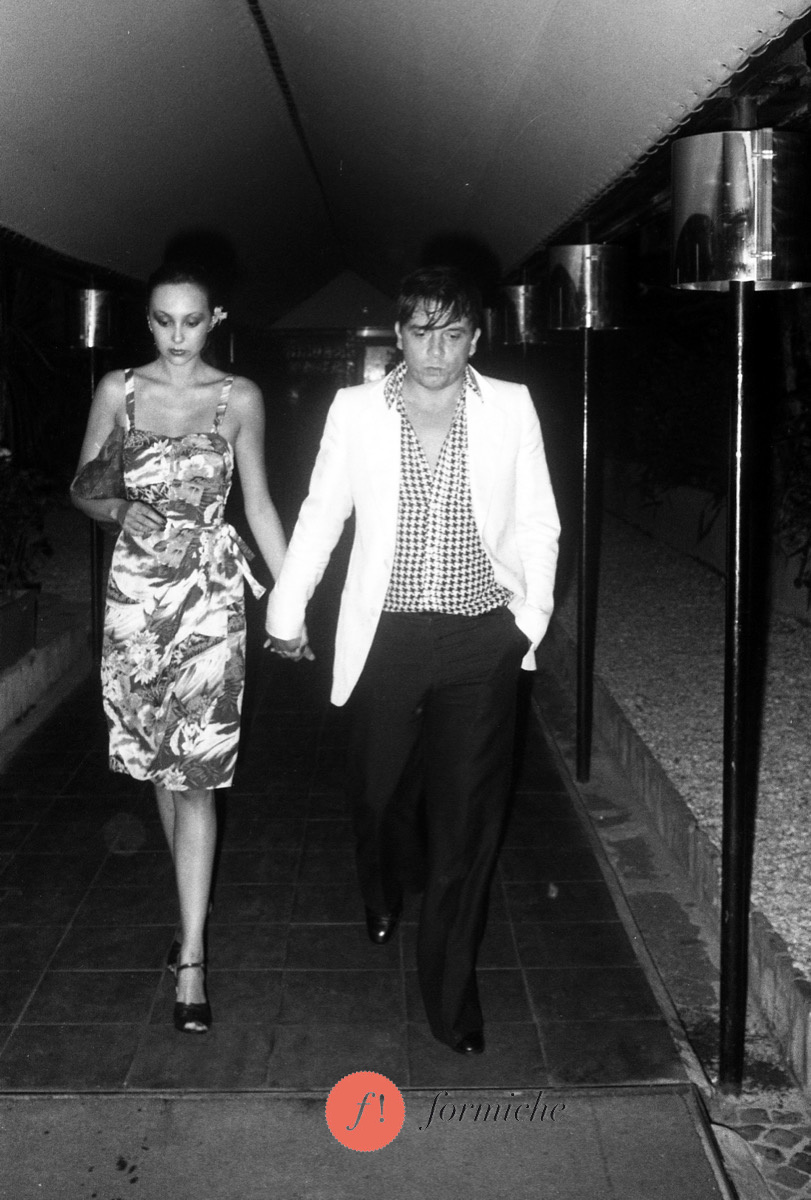
David Bailey in 1975.
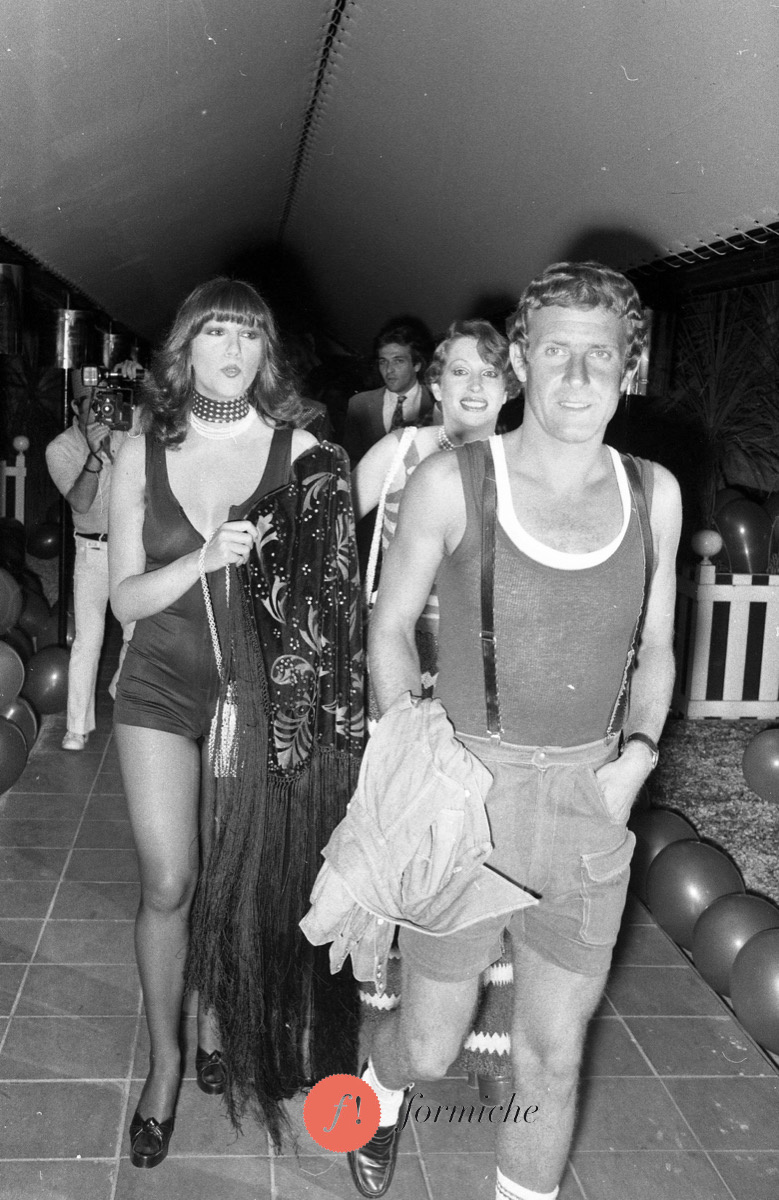
Stefania Sandrelli with Nicky Pende at Jackie O’.
Stefania Sandrelli and Nicky Pende at Jackie O’.
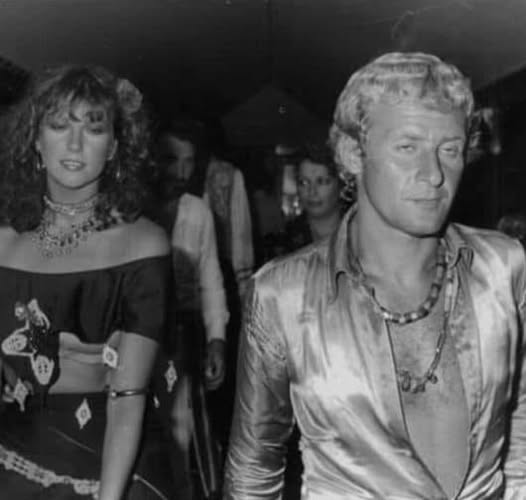
Stefania Sandrelli and Nicky Pende at Jackie O’.
The death, in March 2019, of Nicky Pende, playboy, renowned surgeon and ex-husband of Stefania Sandrelli, brought to an end that era of luxury and glamour known as the Dolce Vita. Nicola ‘Nicky’ Pende, Rome’s last playboy, graced the society pages of magazines in the 1960s and 70s and grew weary of the journalists and paparazzi who hounded him everywhere to report on his romantic relationships, his almost perpetual vacations and that Dolce Vita of which he was one of the last representatives. It was no wonder that Il Corriere della Sera described him in his obituary as “the last of the great playboys of a bygone era”, adding: “there wasn’t a club where he wasn’t greeted with reverence, there wasn’t a bartender who didn’t know him.” “Nicky studies medicine, comes from a well-to-do family in Rome, loves sports, adores dancing and is full of energy.” This is how the press of the 1960s described Nicky Pende, a handsome, lanky, athletic young man desired equally by women and men, although he always favored the former. Among all his conquests, the most talked-about was Stefania Sandrelli, whom he would eventually marry in 1972.
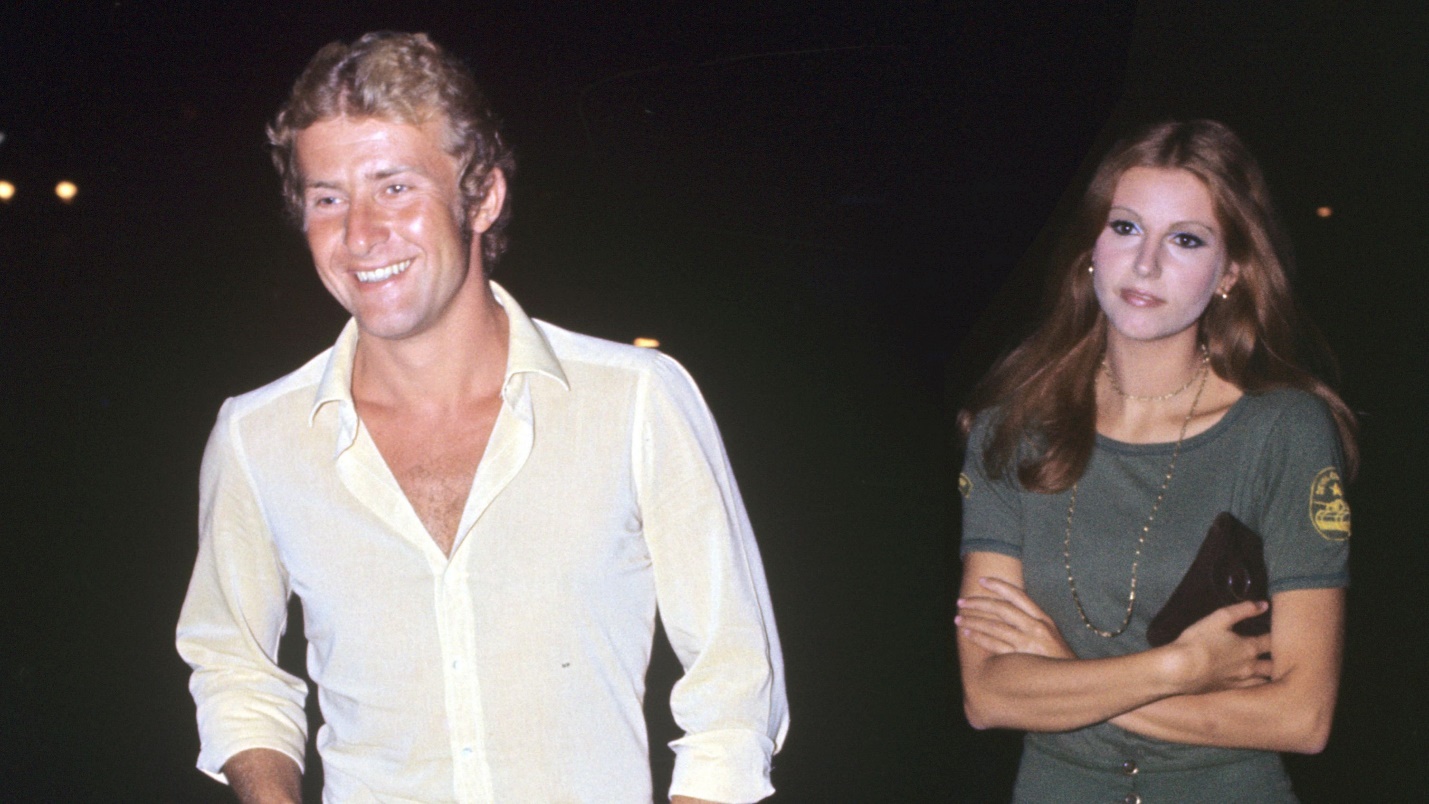
Nicky Pende with his then-wife Stefania Sandrelli in 1972. Photo by Agefotostock.
The actress's arrival in Pende's life led many to believe that the playboy was finally going to settle down, an idea that seemed even closer when Vito, the couple's son, was born in 1974. However, family life was very different from what anyone could have imagined. Marriage to Sandrelli didn't stop Nicky Pende from his nightlife. The playboy continued the lifestyle that had made him famous and which eventually exhausted his partner's patience. While filming 1900 under the direction of Bernardo Bertolucci, she decided to begin a relationship with her co-star, Gérard Depardieu. Something that Pende, who wasn't exactly a paragon of fidelity, couldn't bear. "Our marriage was a mistake. In the end, we had to separate. Things were getting out of hand", Sandrelli, who divorced the surgeon in 1976, would recall years later.
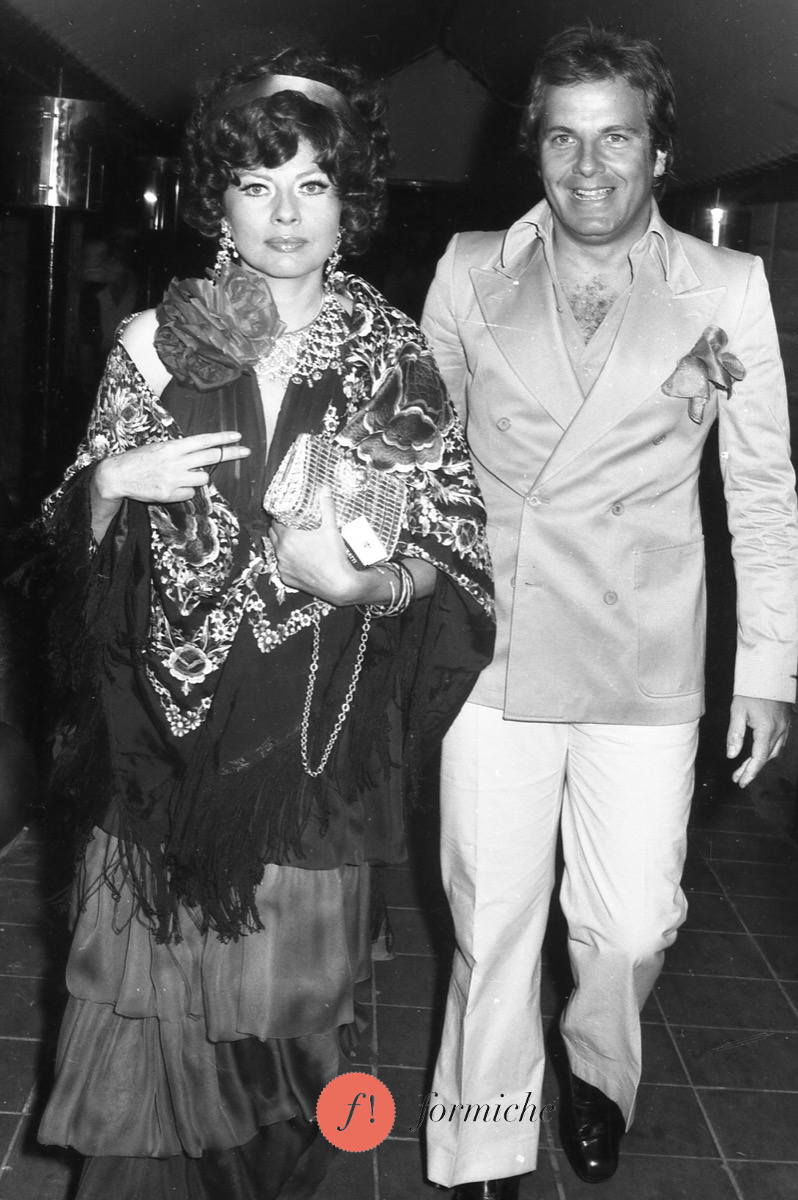
Soraya Esfandiary Bakhtiari and Massimo Gargia.
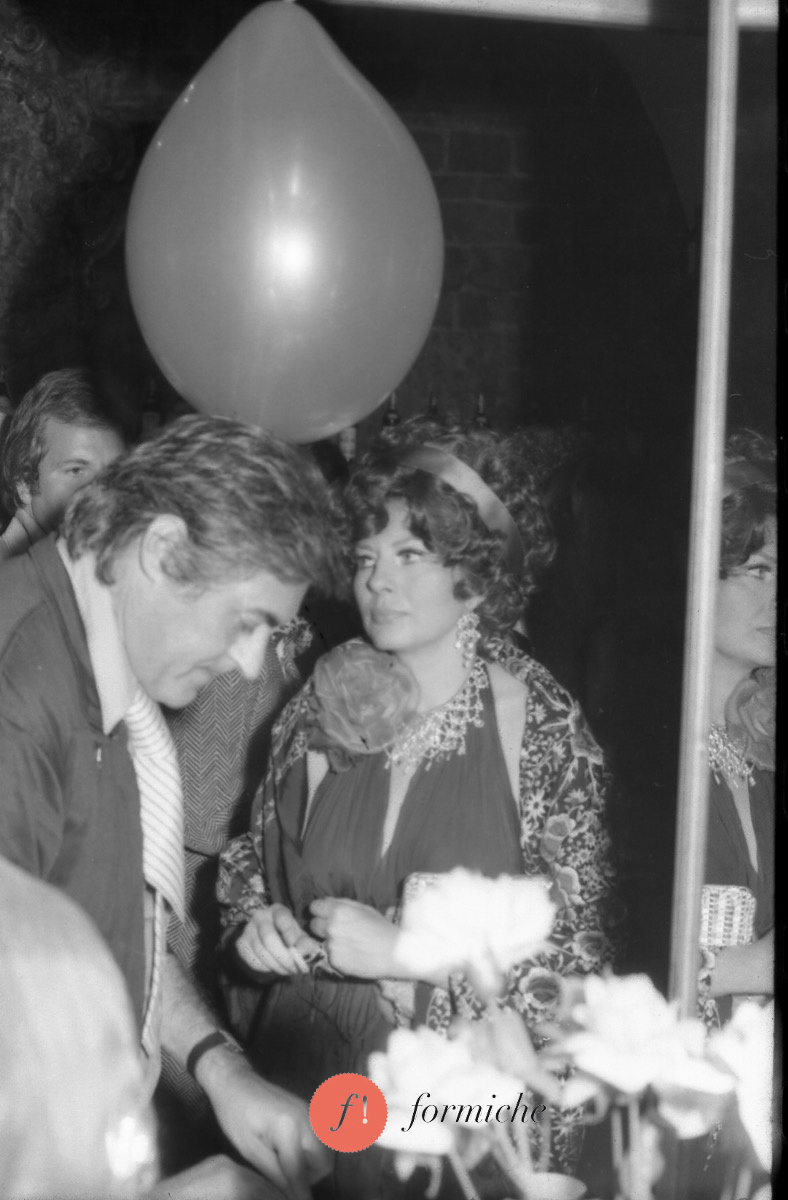
Soraya Esfandiary Bakhtiari.
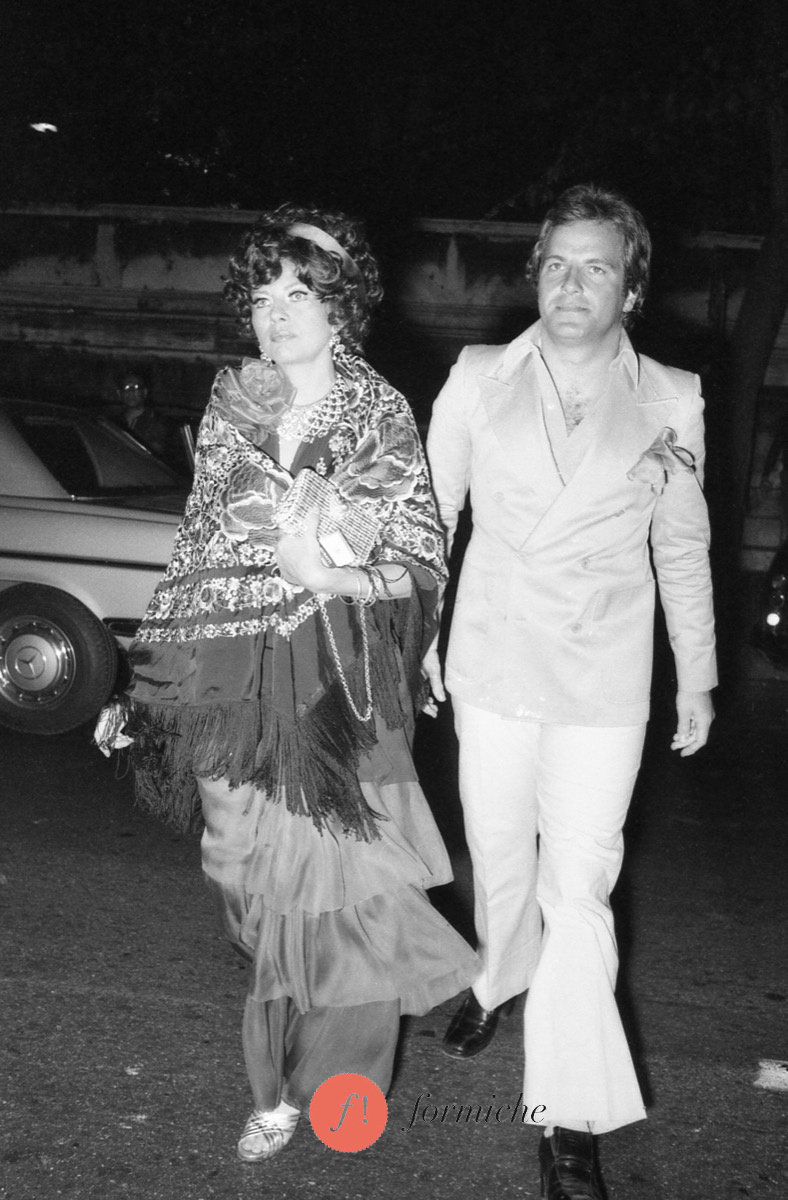
Soraya Esfandiary Bakhtiari and Massimo Gargia.
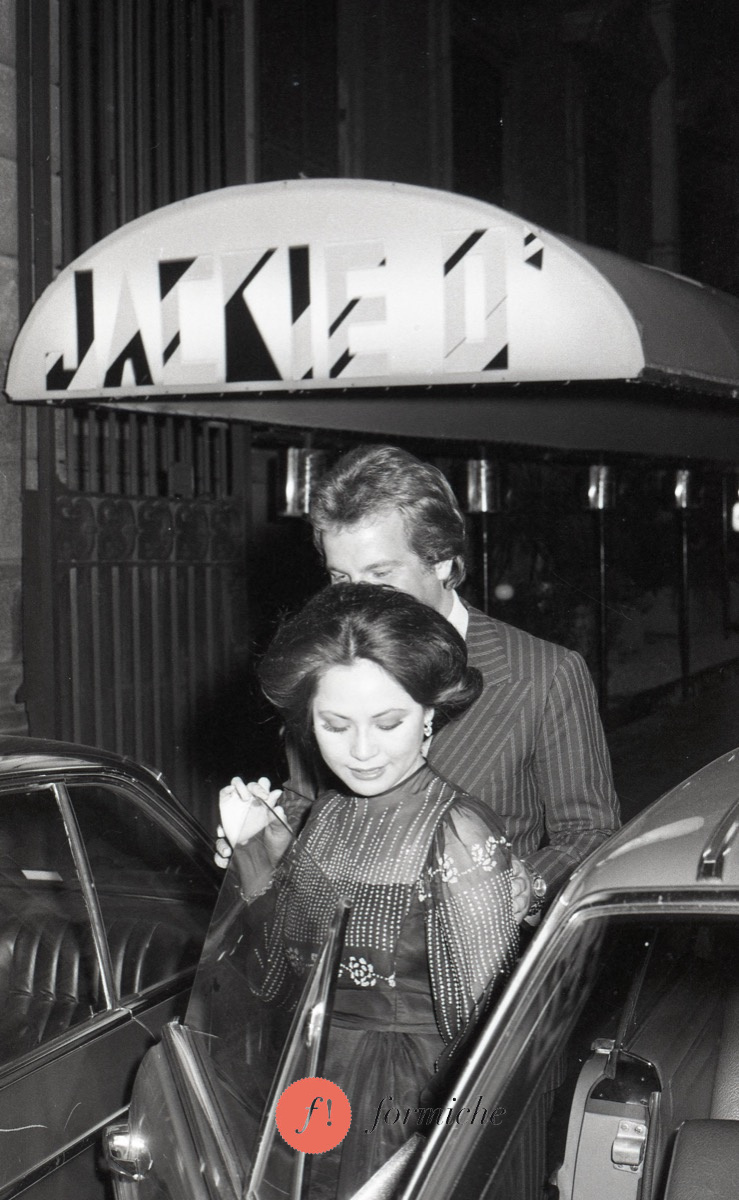
Massimo Gargia and Dewi Sukarno.
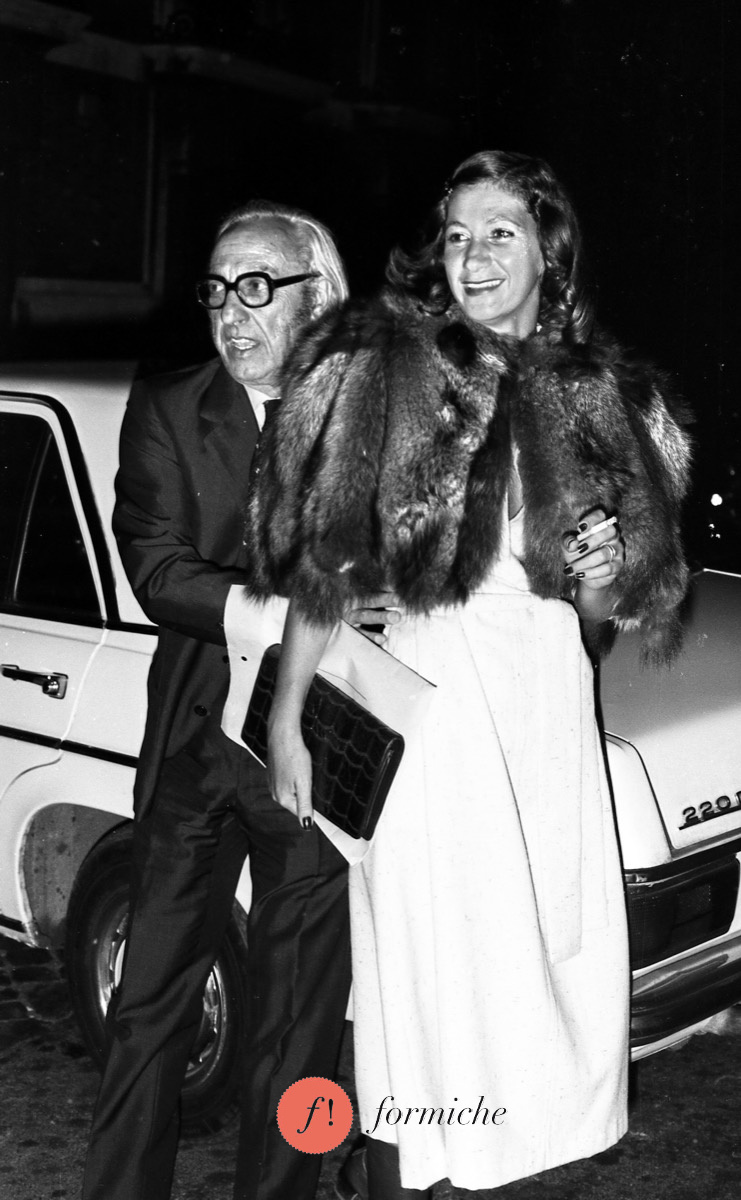
A couple at the Jackie O’.
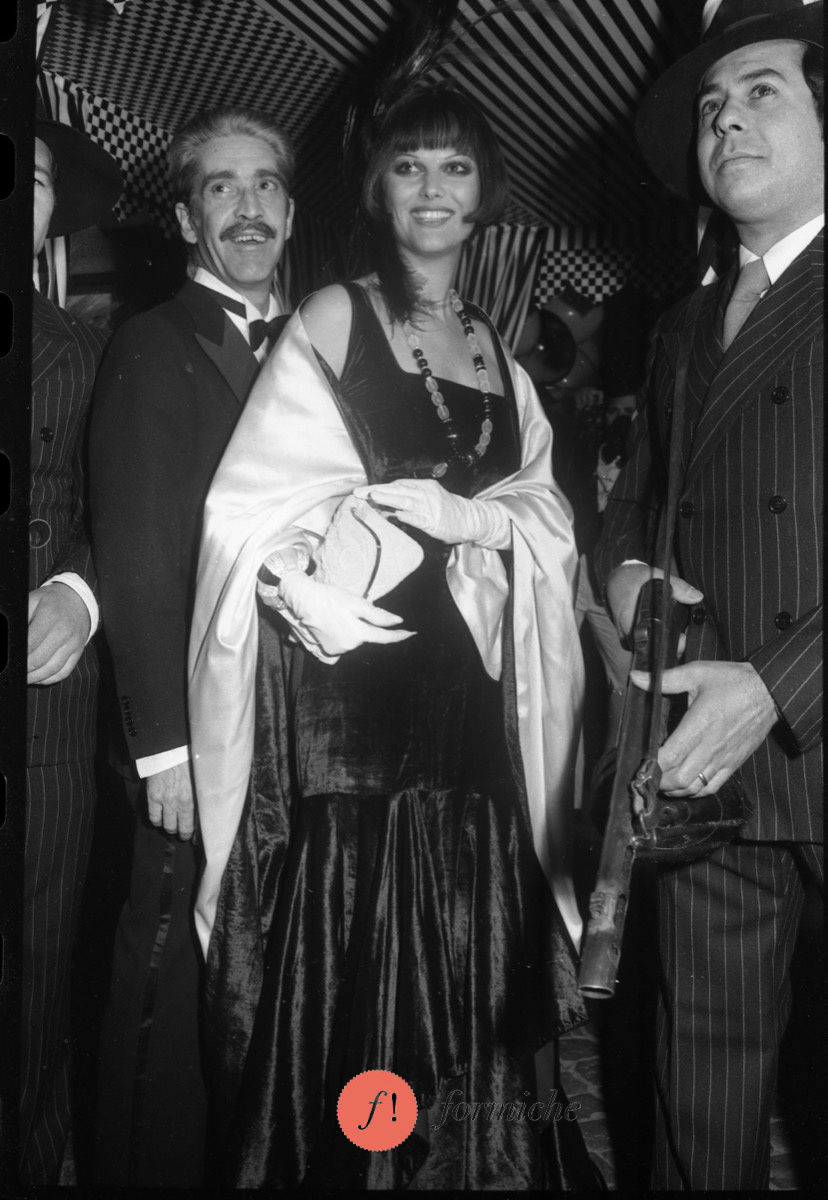
A couple at the Jackie O’.
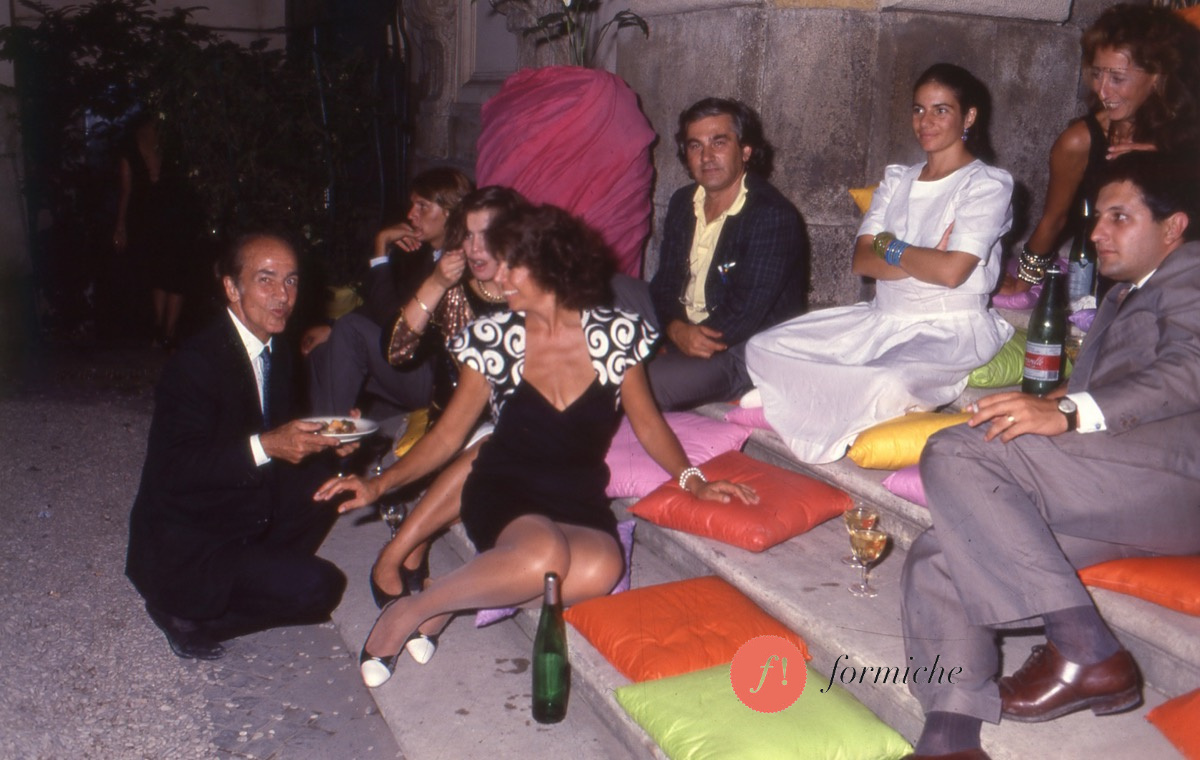
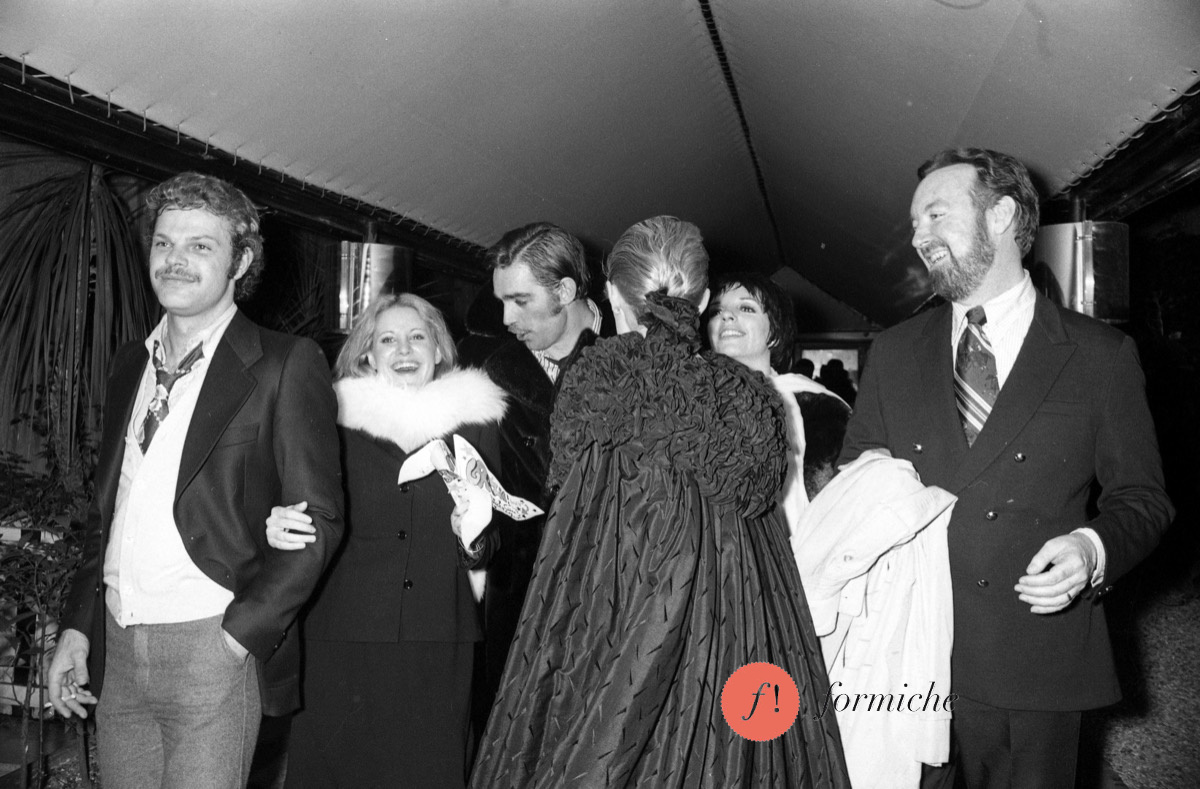
Fabio Testi at the Jackie O’.
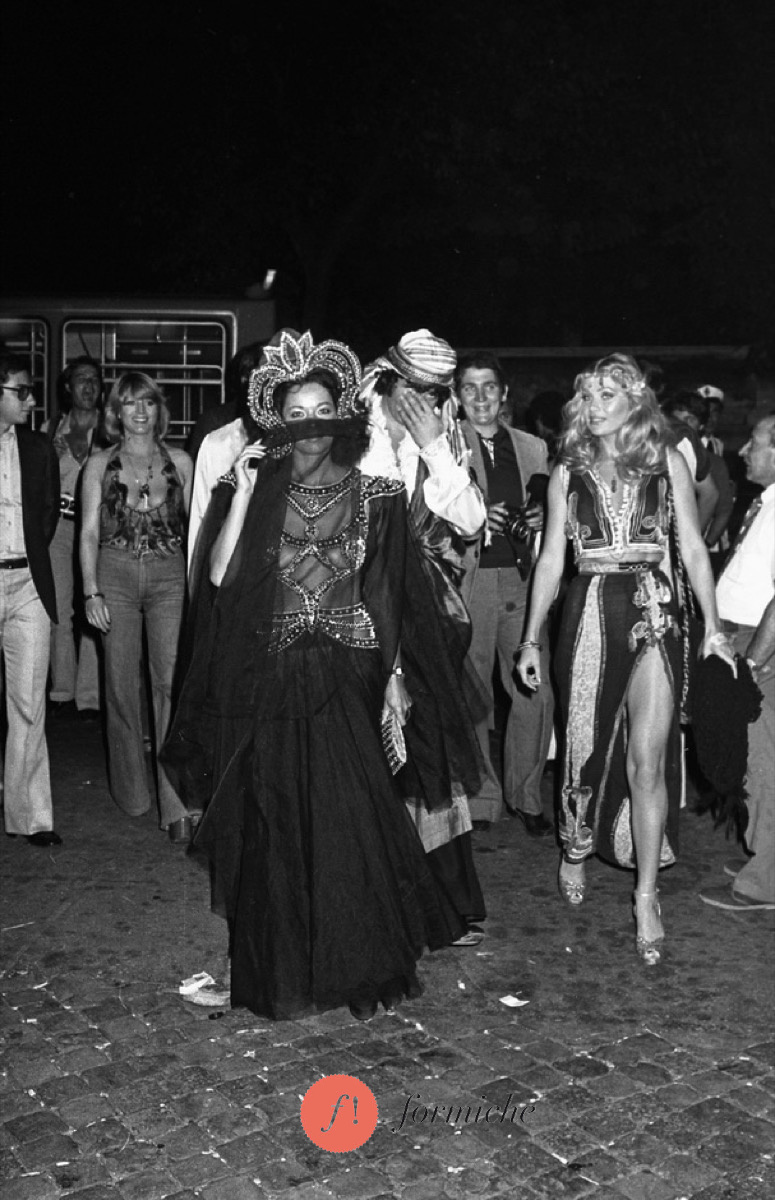
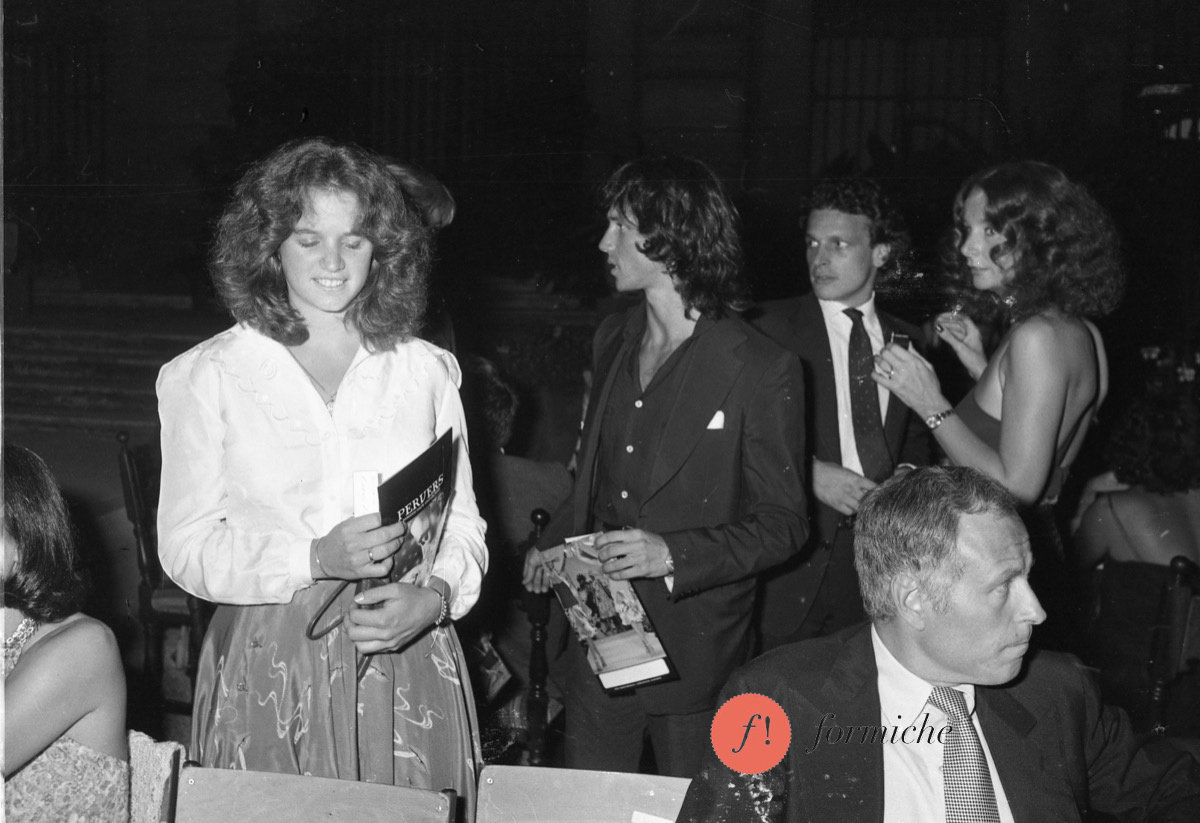
Kerry Kennedy and Danilo Mattei.
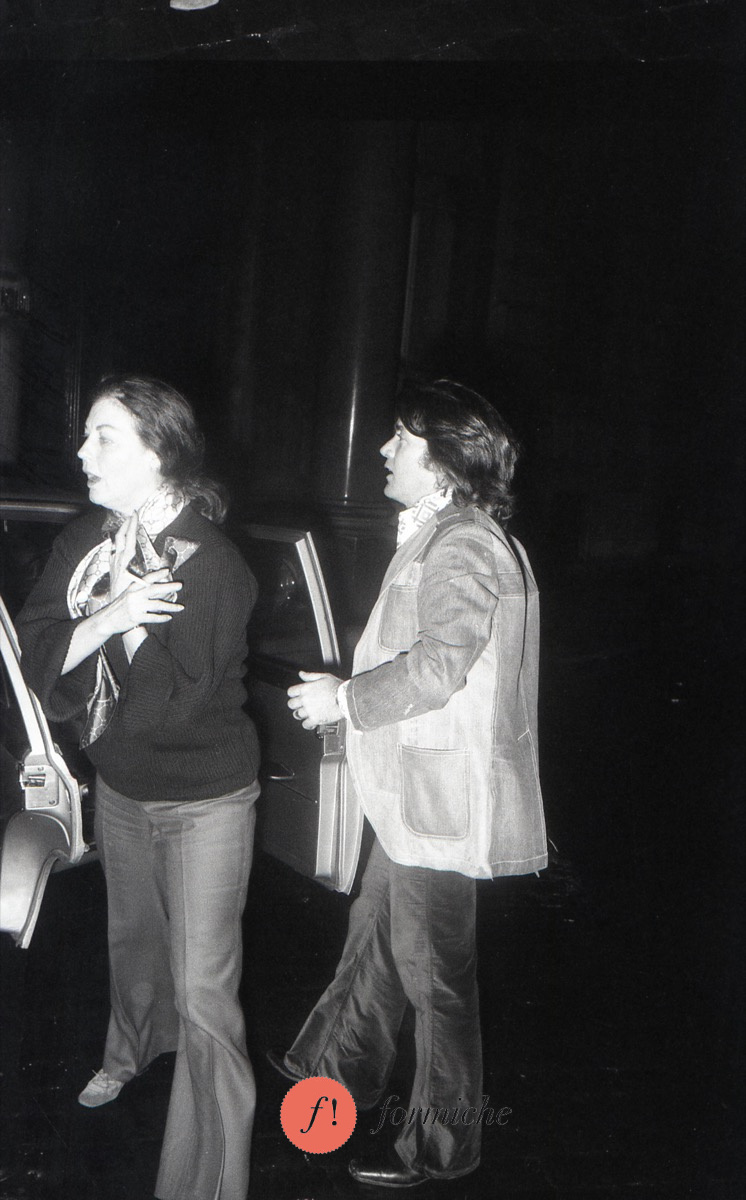
Ava Gardner and Martin Sheen in 1976.
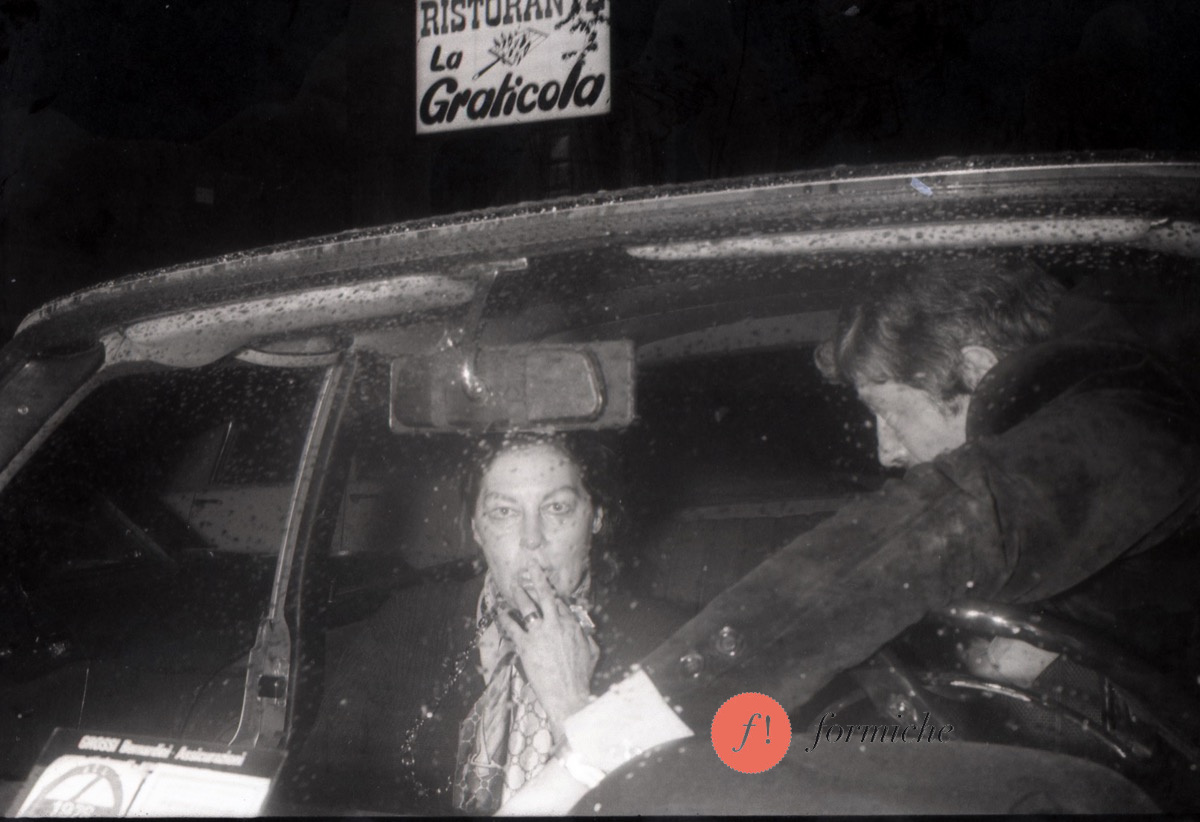
Ava Gardner with Martin Sheen in 1976.
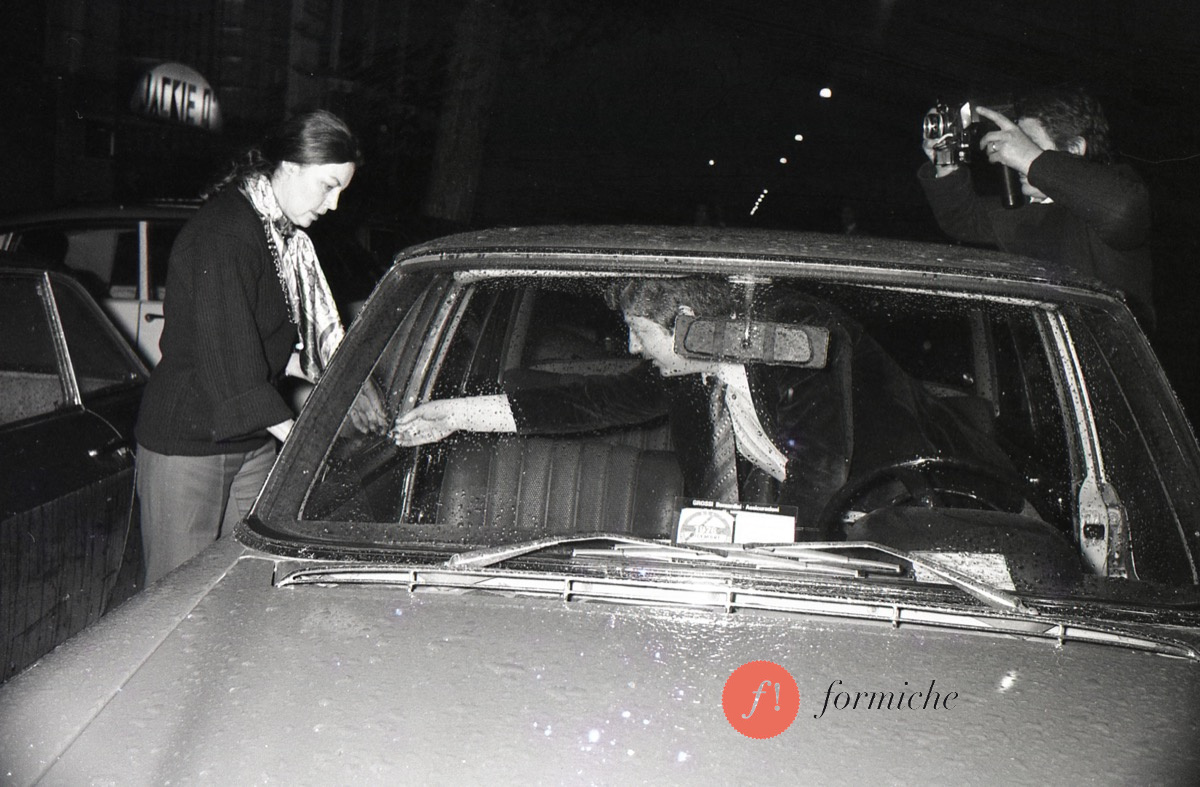
Ava Gardner with Martin Sheen in 1976.
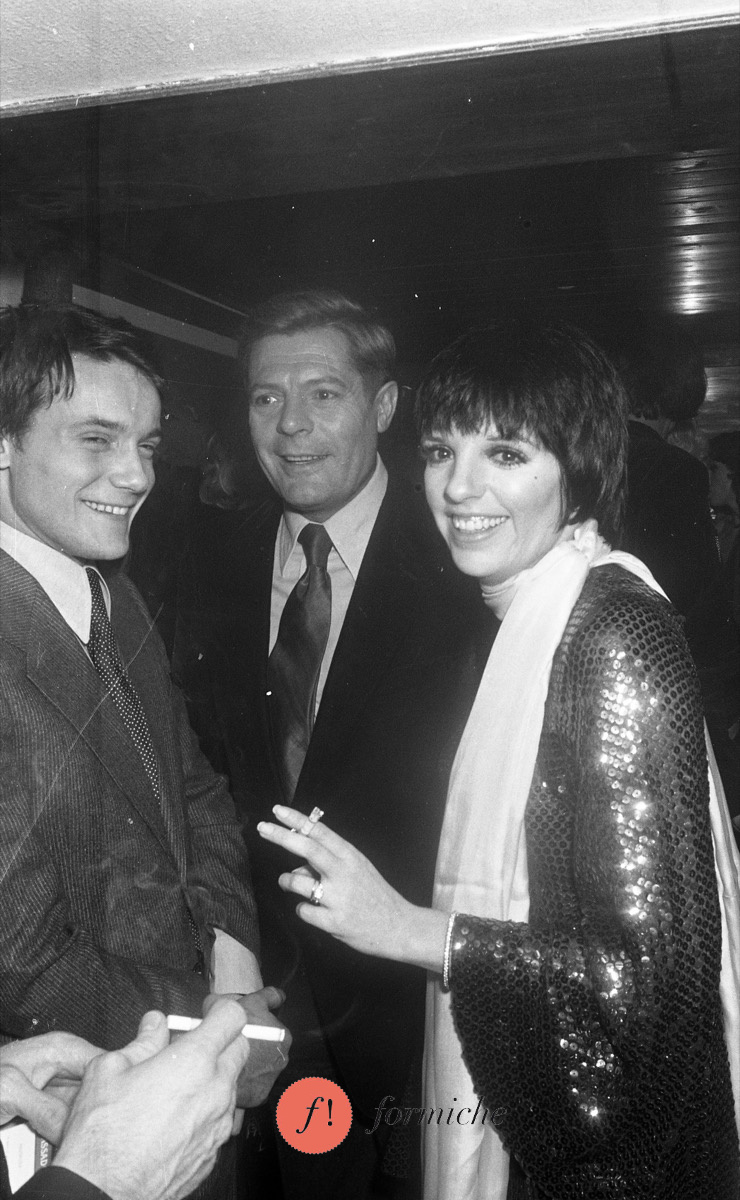
Massimo Ranieri, Marcello Mastroianni and Liza Minnelli in 1976.
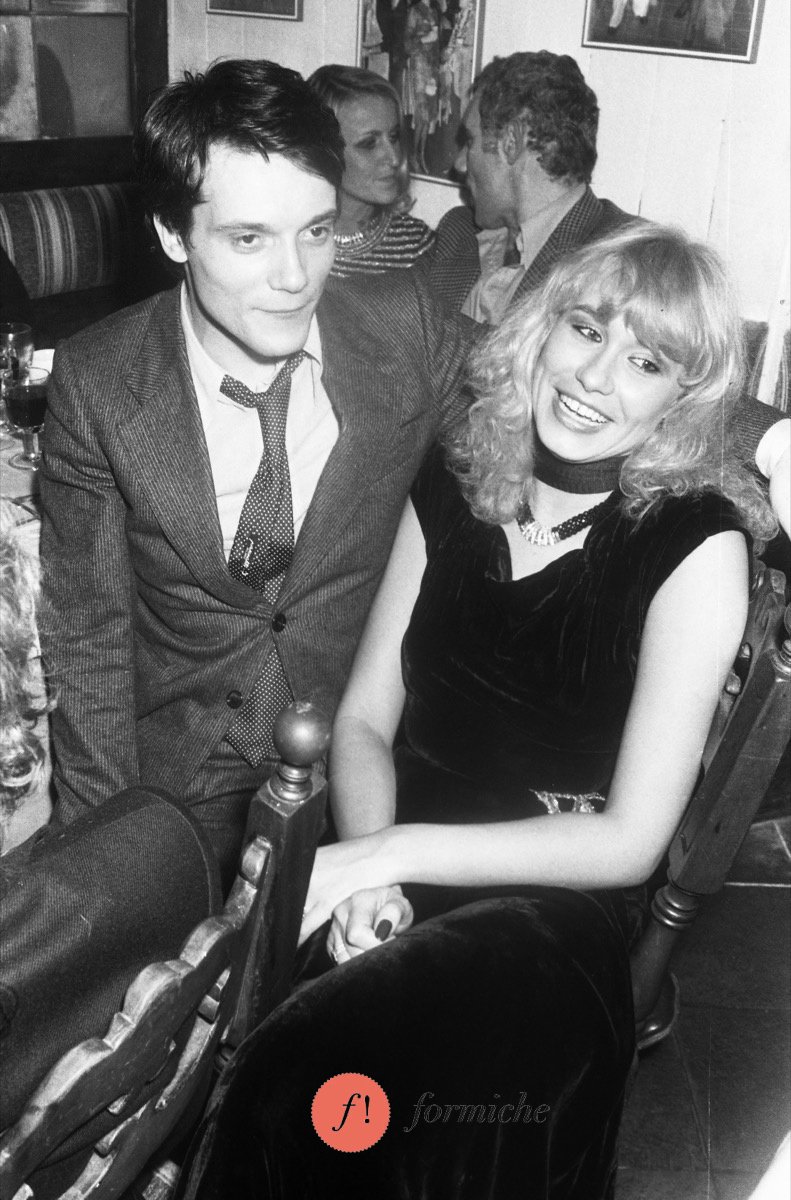
Massimo Ranieri and Brenda Welch in 1976.
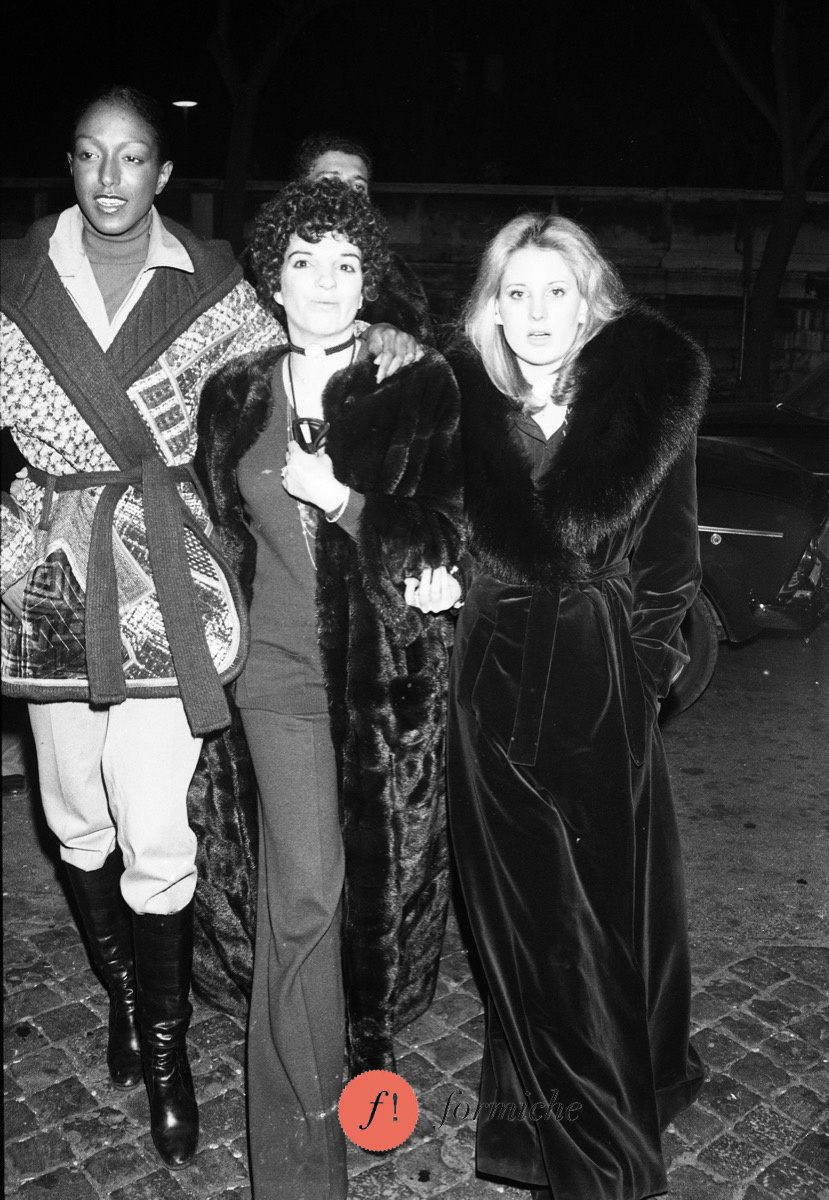
Lorna Luft in 1976.
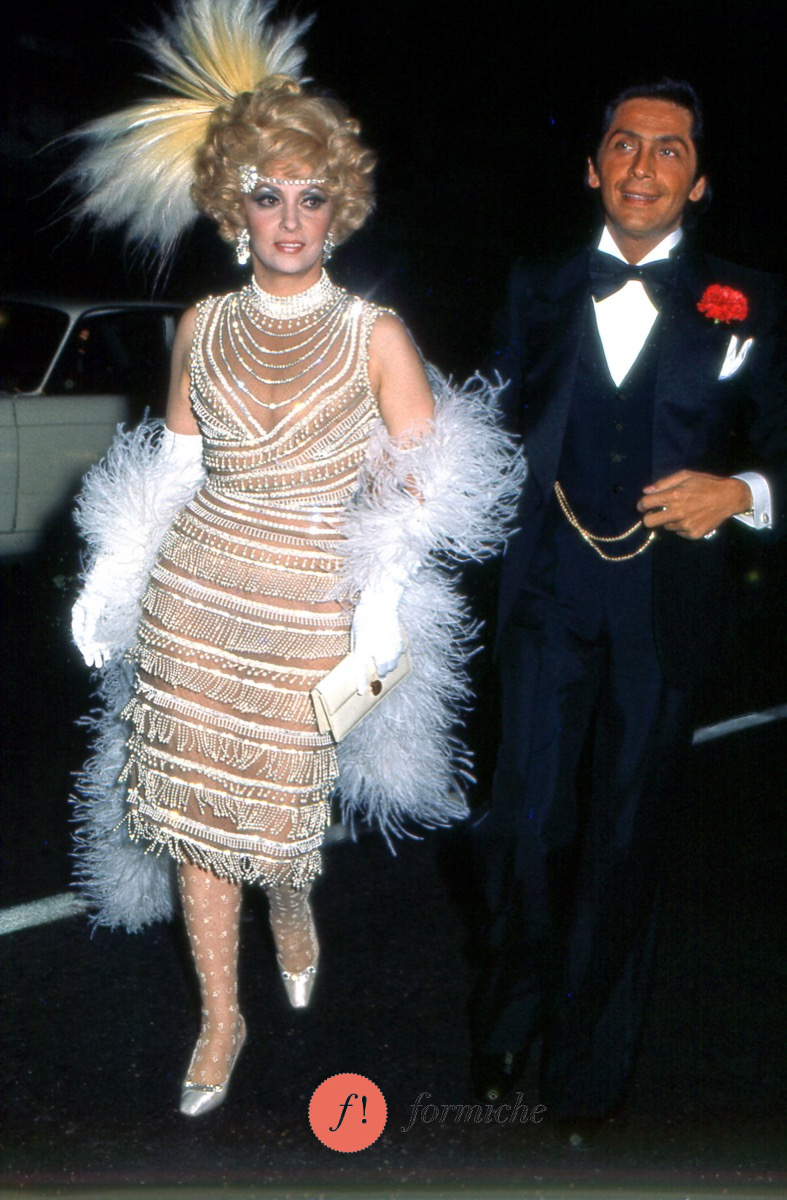
Gina Lollobrigida and Valentino Garavani in 1976.
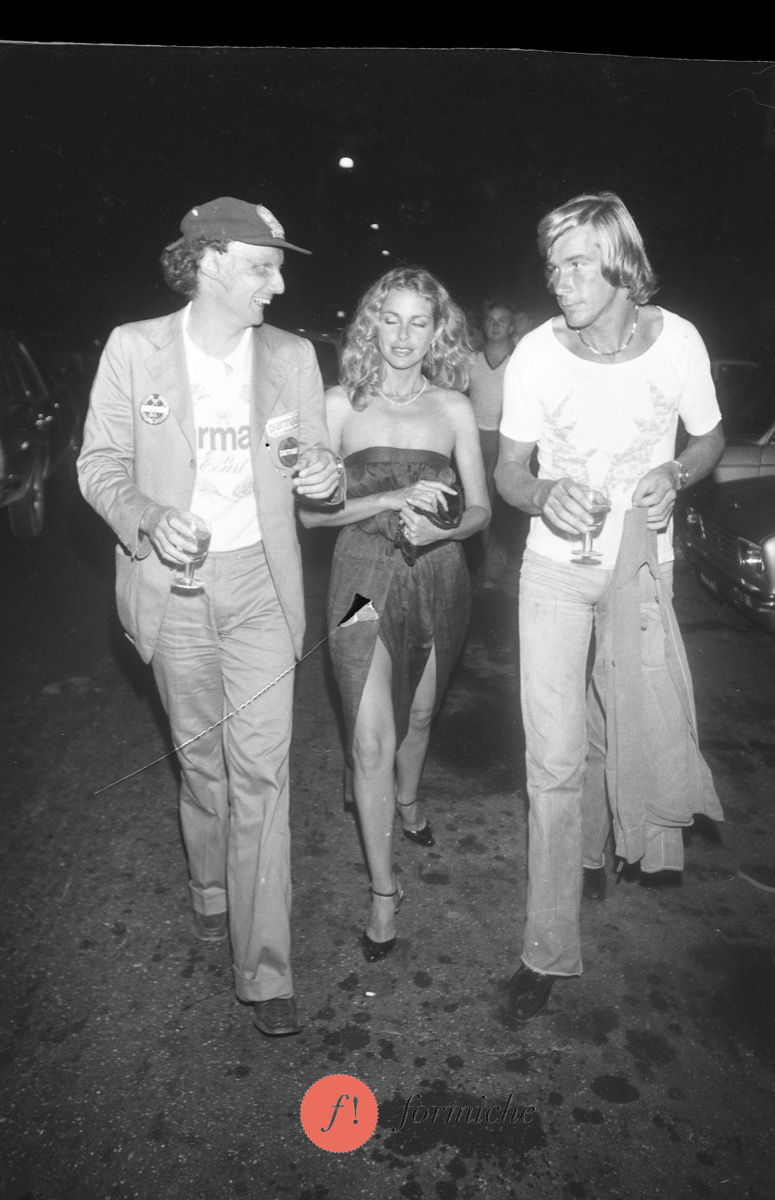
Niki Lauda, Sydne Rome and James Hunt at Jackie O’ in 1977.
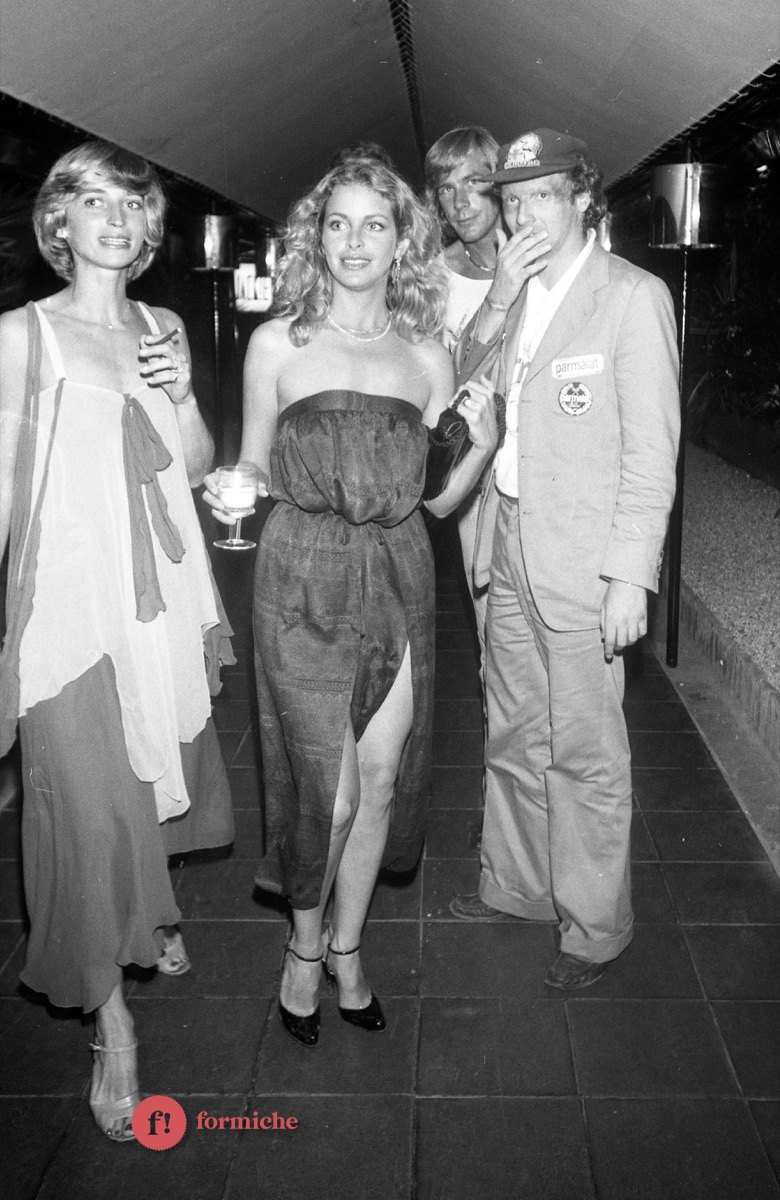
Niki Lauda, Sydne Rome and James Hunt at Jackie O’ in 1977.
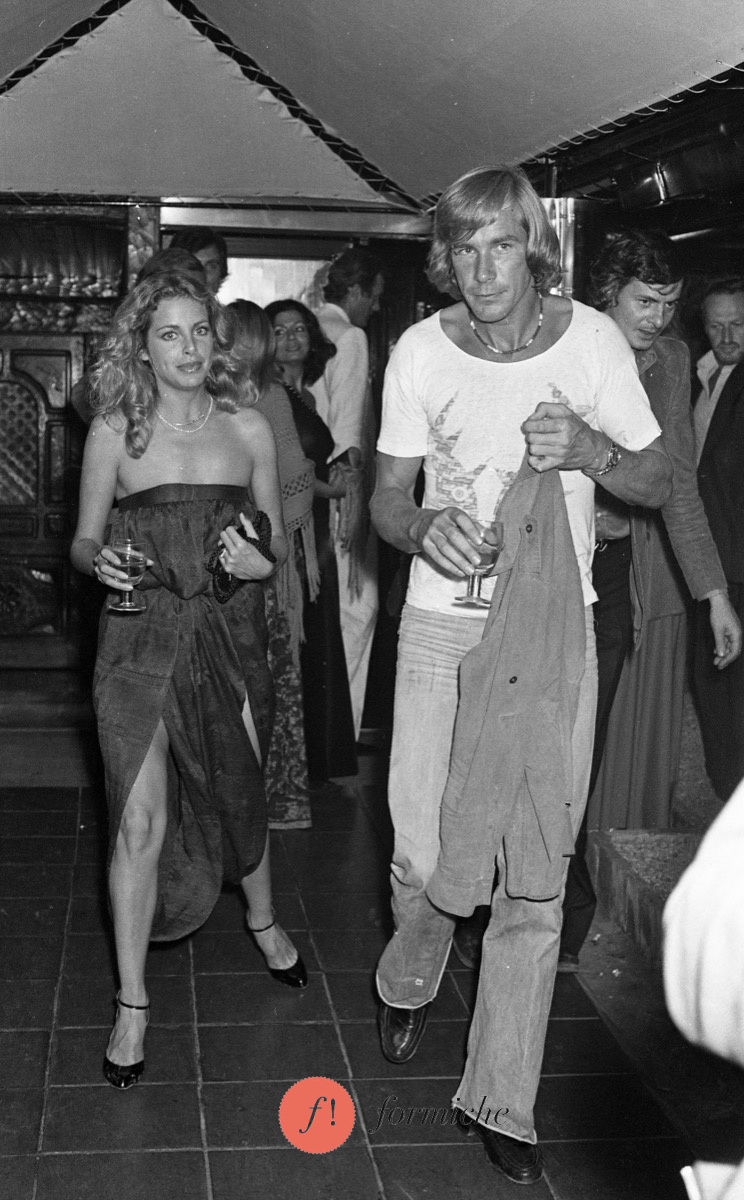
Sydne Rome and James Hunt in 1977.
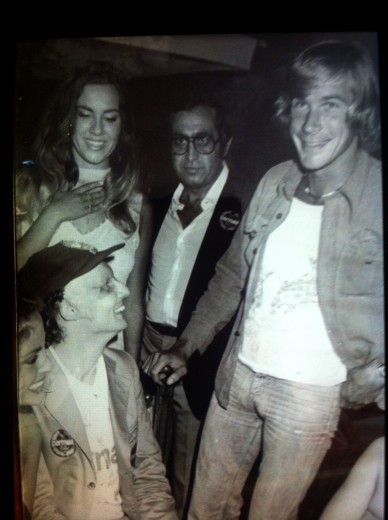
Niki Lauda and James Hunt at Jackie O’ in 1977.
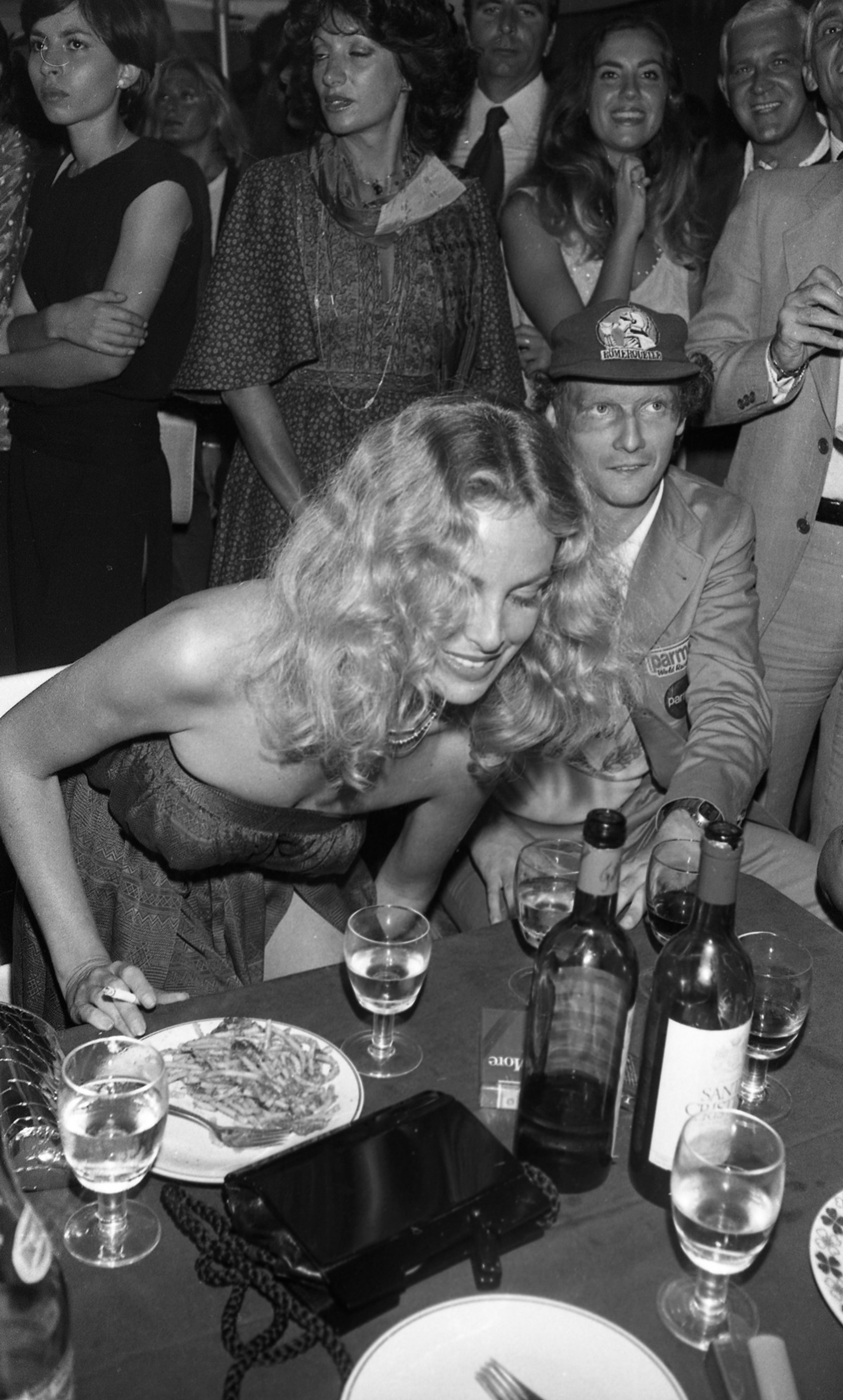
Sydne Rome with Niki Lauda at Parmalat party at Jackie O’ in 1977.
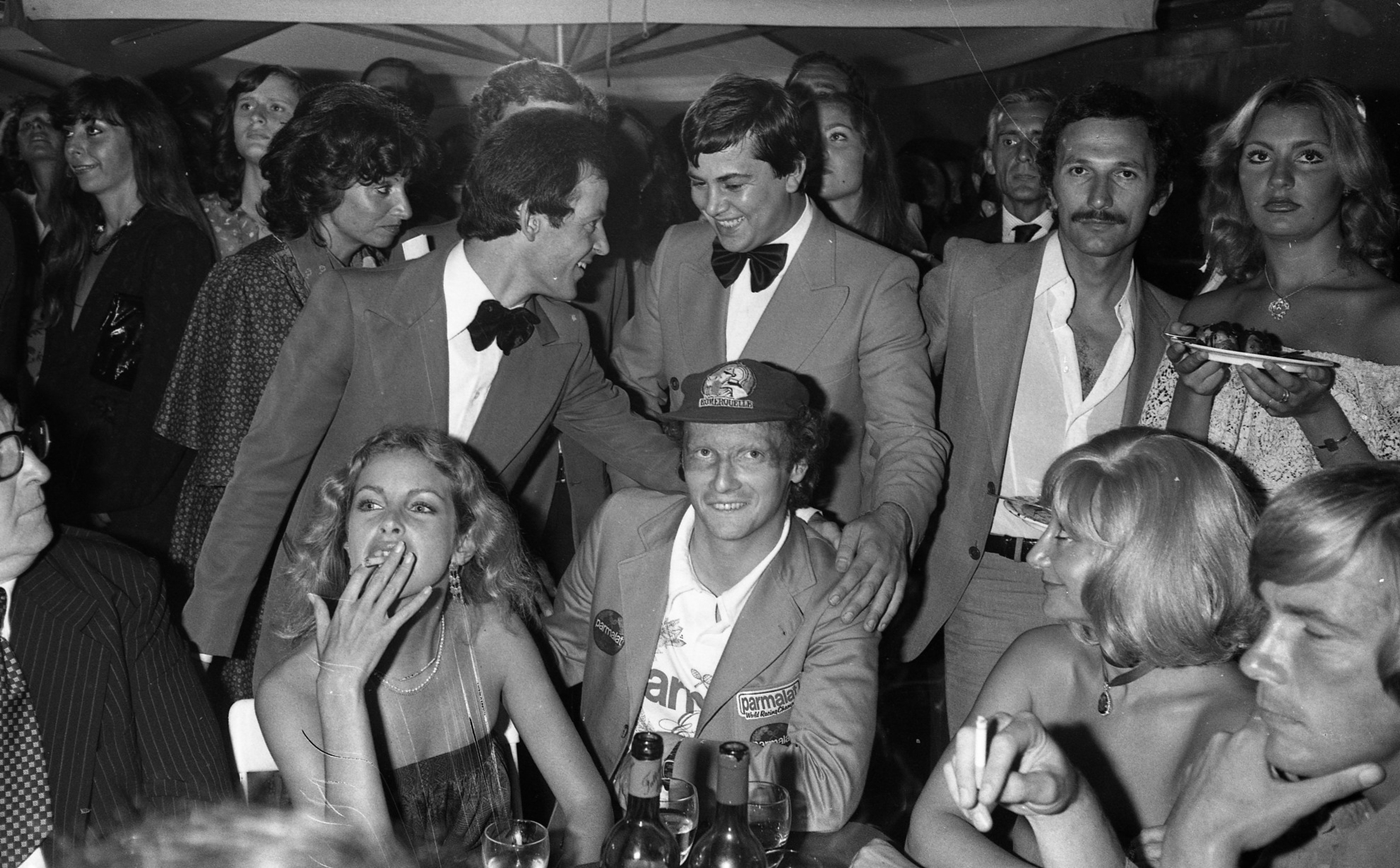
Sydne Rome with Niki Lauda and James Hunt at Parmalat party at Jackie O’ in 1977.
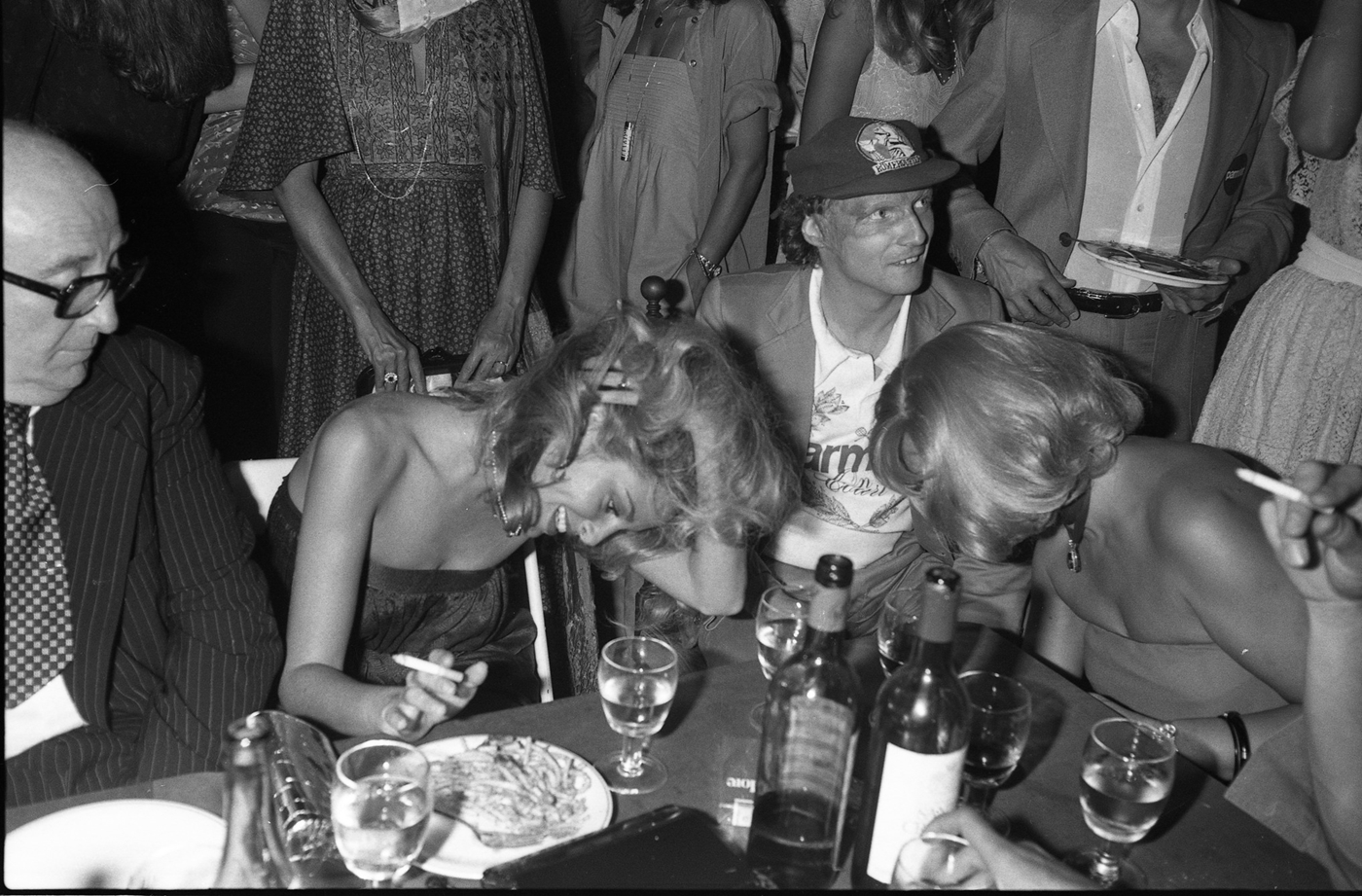
Sydne Rome with Niki Lauda and James Hunt at Parmalat party at Jackie O’ in 1977.
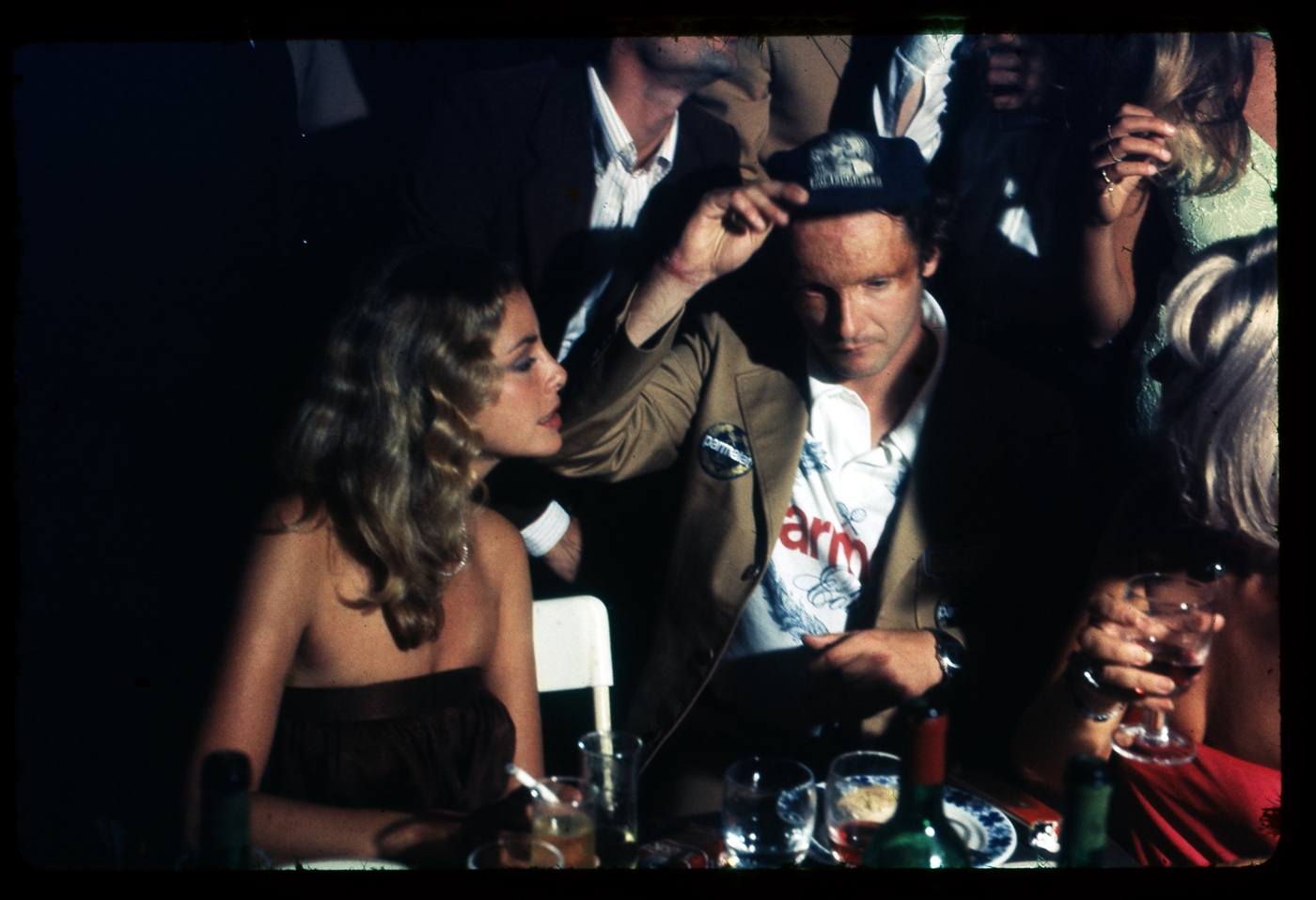
Sydne Rome with Niki Lauda at Parmalat party at Jackie O’ in 1977.
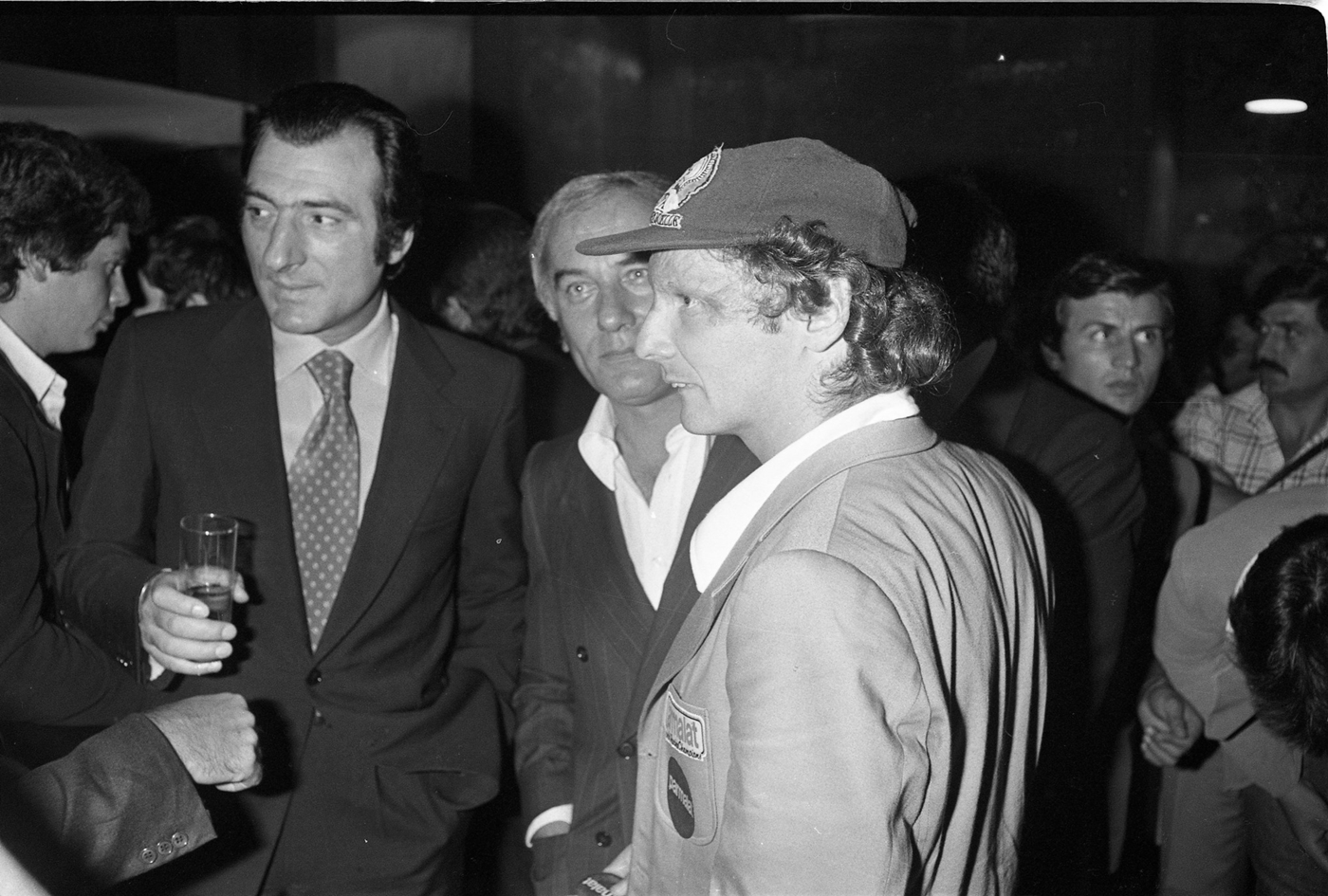
Niki Lauda at Jackie O’ in 1977.
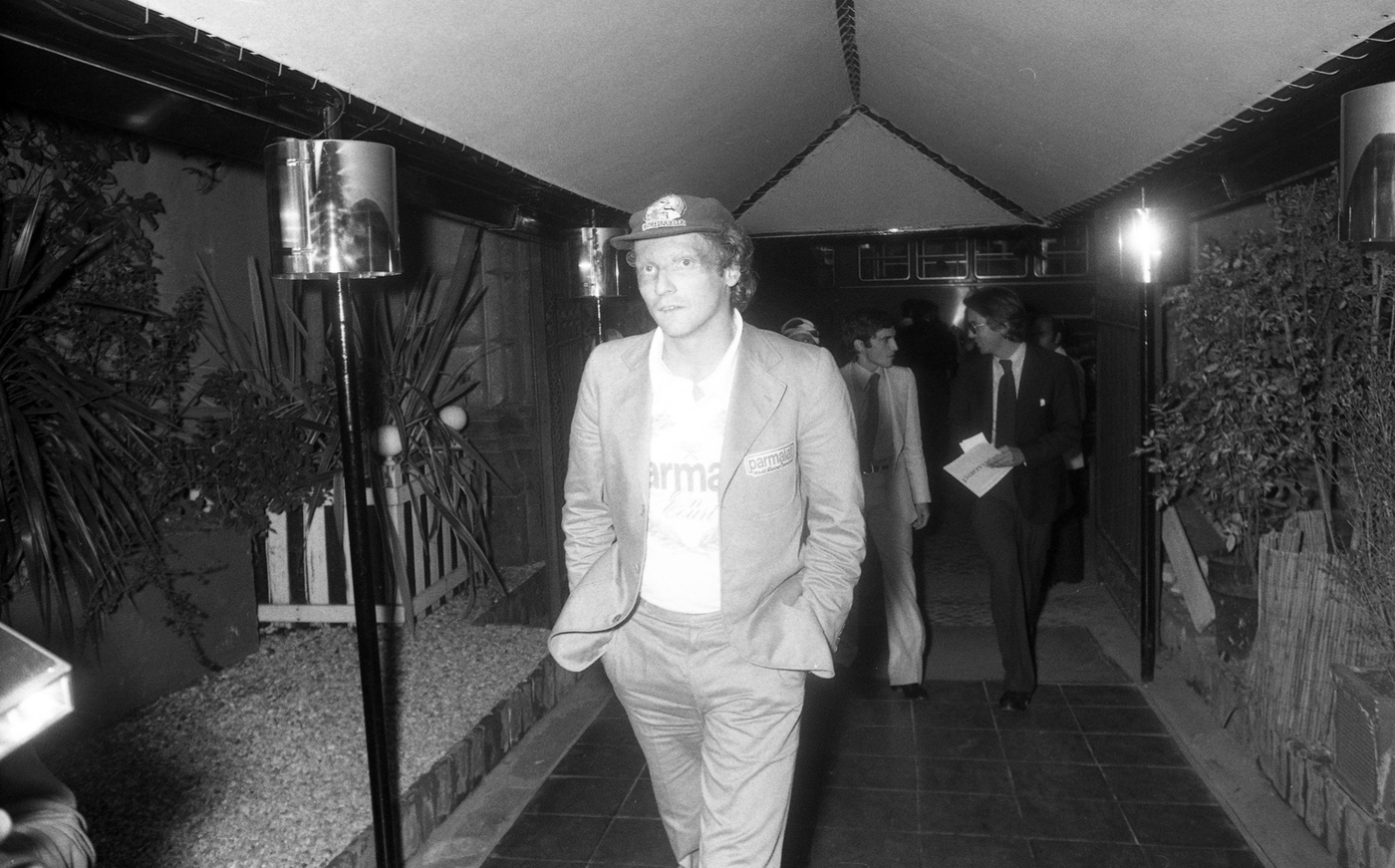
Niki Lauda at Jackie O’ in 1977.
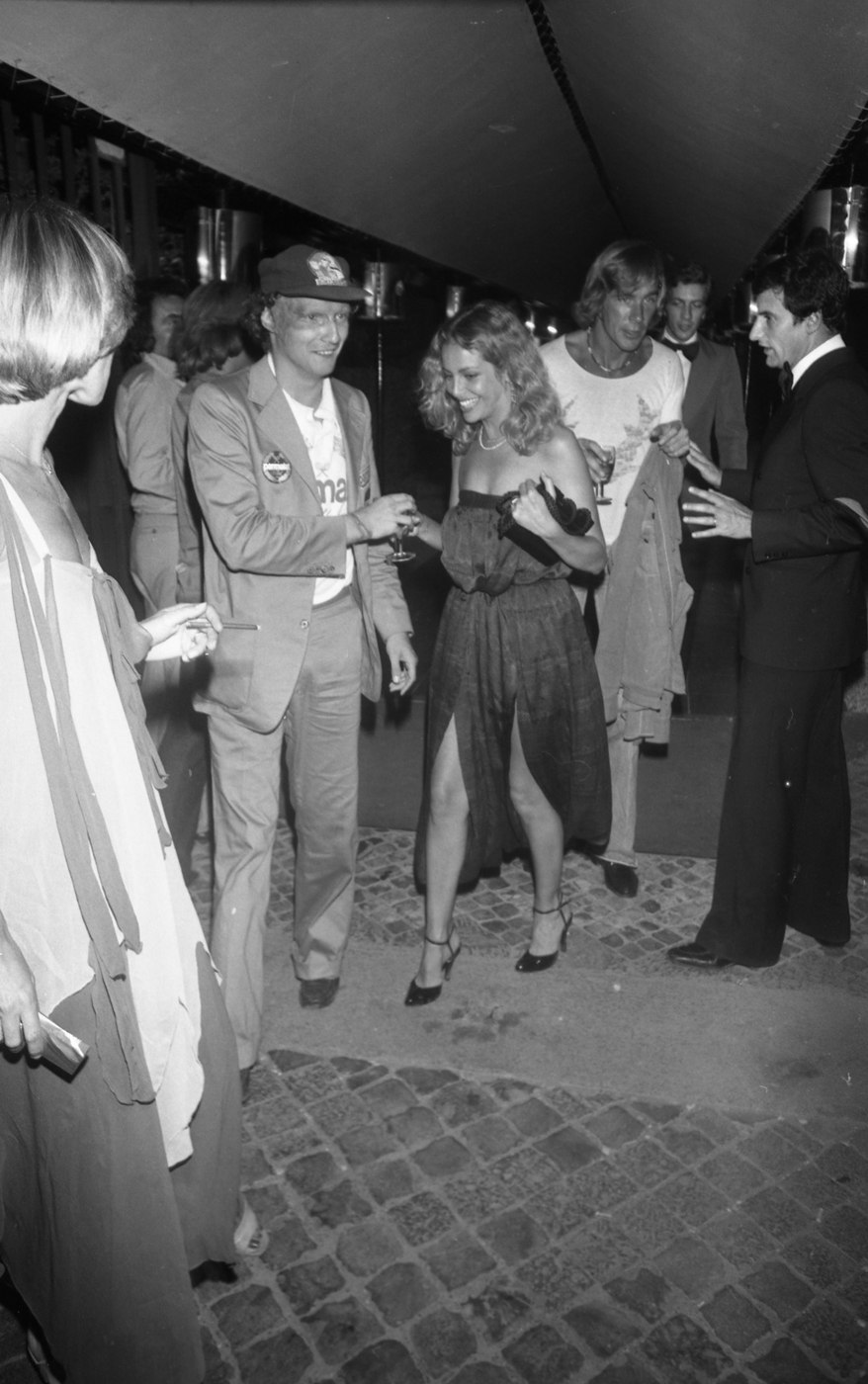
Niki Lauda with Sydne Rome and James Hunt at Jackie O’ in 1977.
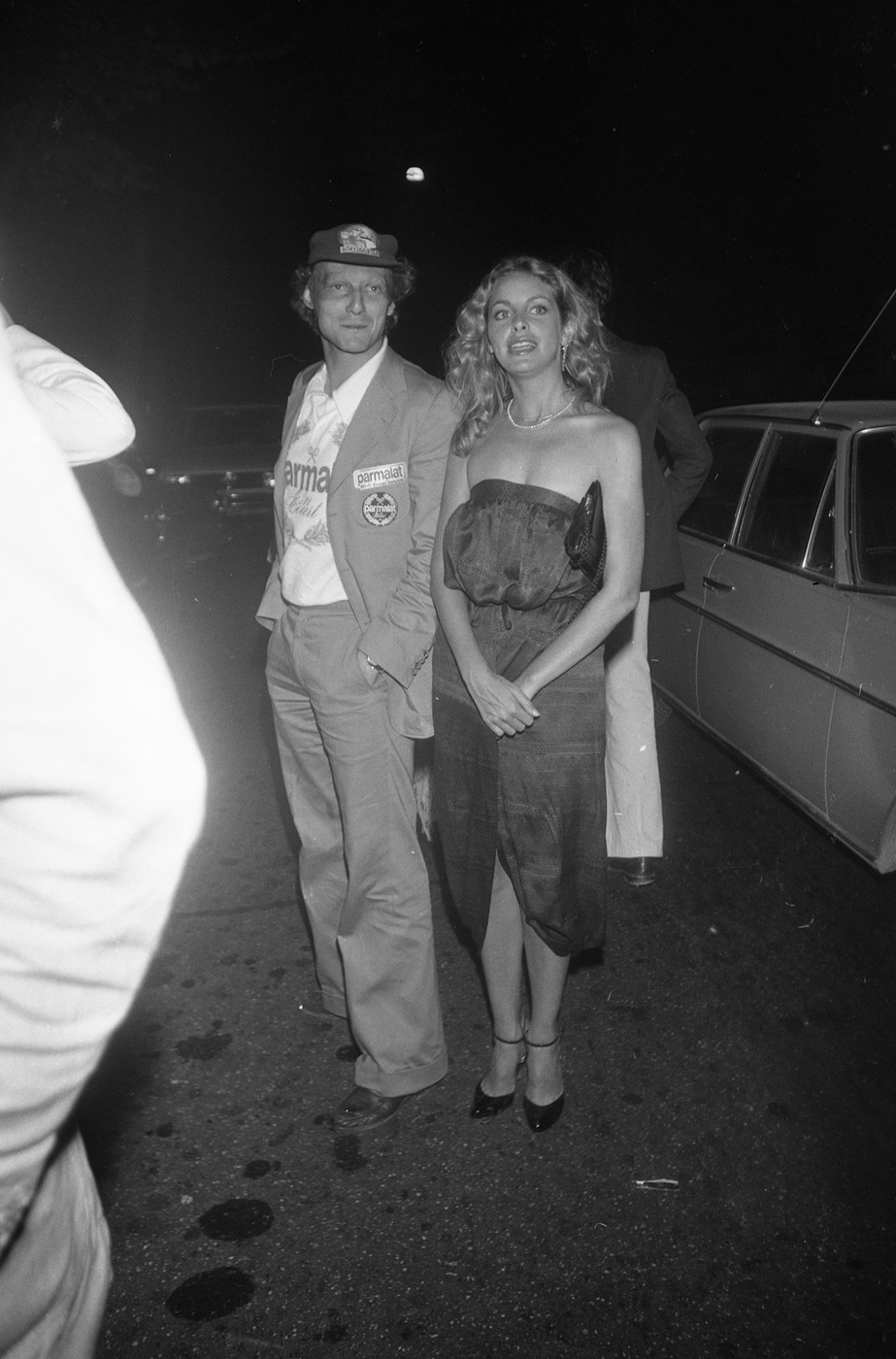
Niki Lauda and Sydne Rome at Jackie O’ in 1977.
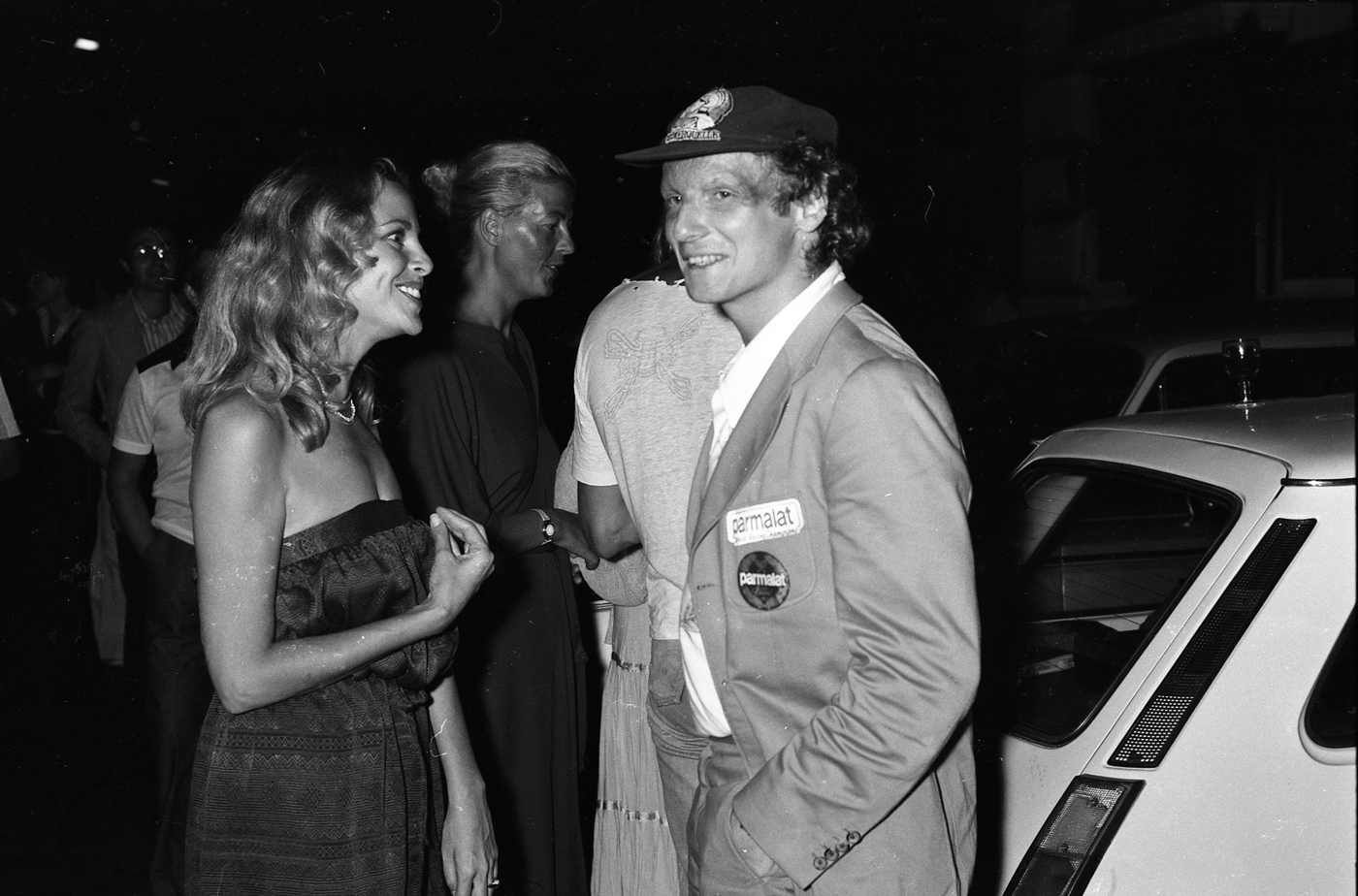
Niki Lauda and Sydne Rome at Jackie O’ in 1977.
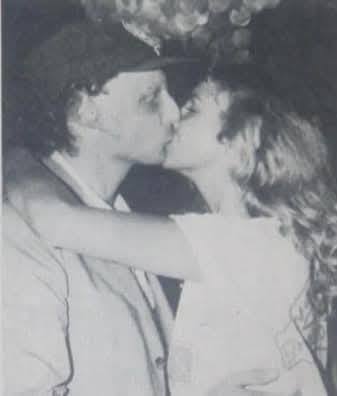
Niki Lauda and actress Sydne Rome dated each other. It was during a meeting for the preview of the movie ‘Formula 1 la febbre della velocità’, in Rome in 1978. Lauda and Sydne acted in this movie.
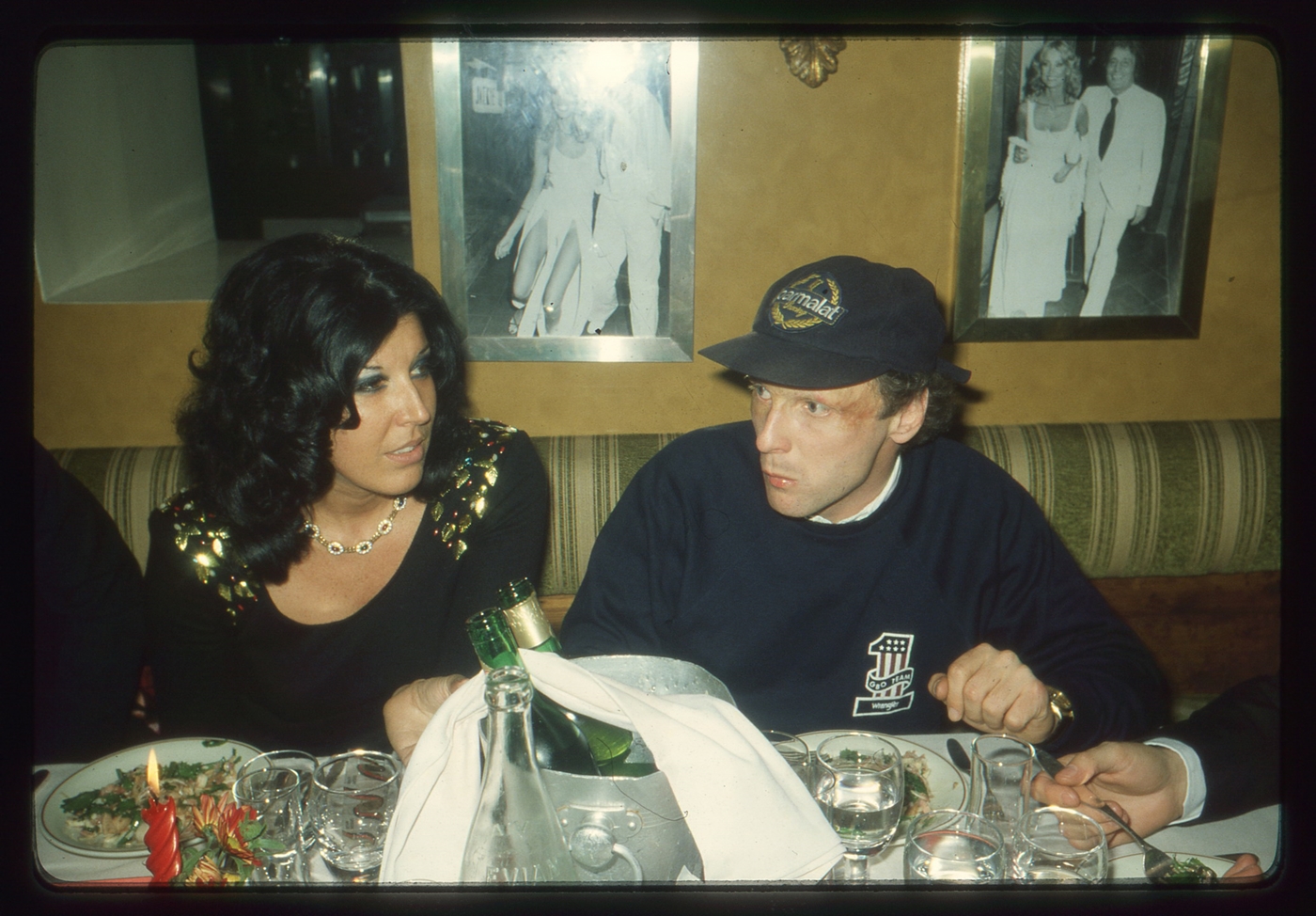
Niki Lauda with Patrizia De Blank.
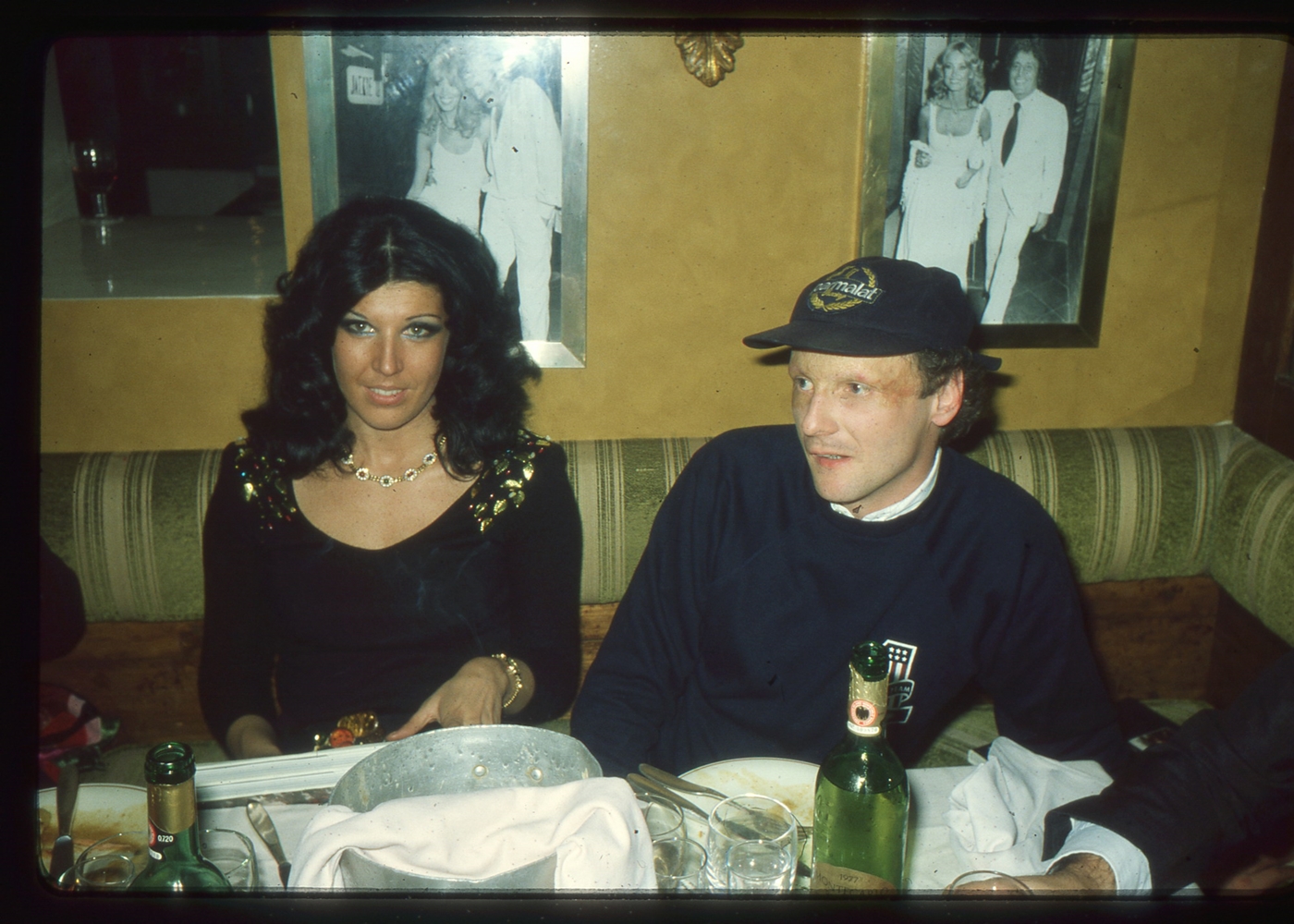
Niki Lauda with Patrizia De Blank.
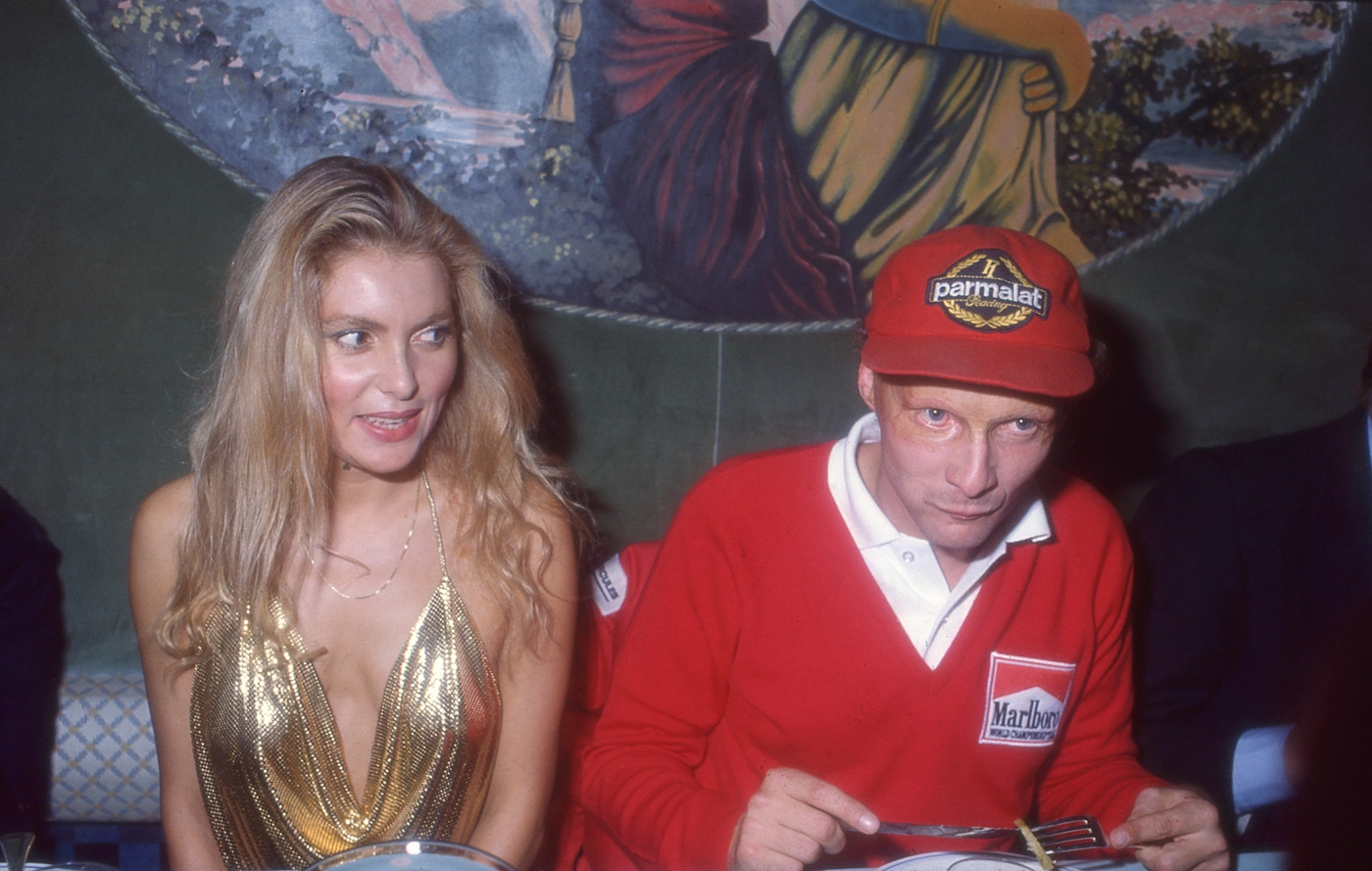
Niki Lauda with Eleonora Vallone.
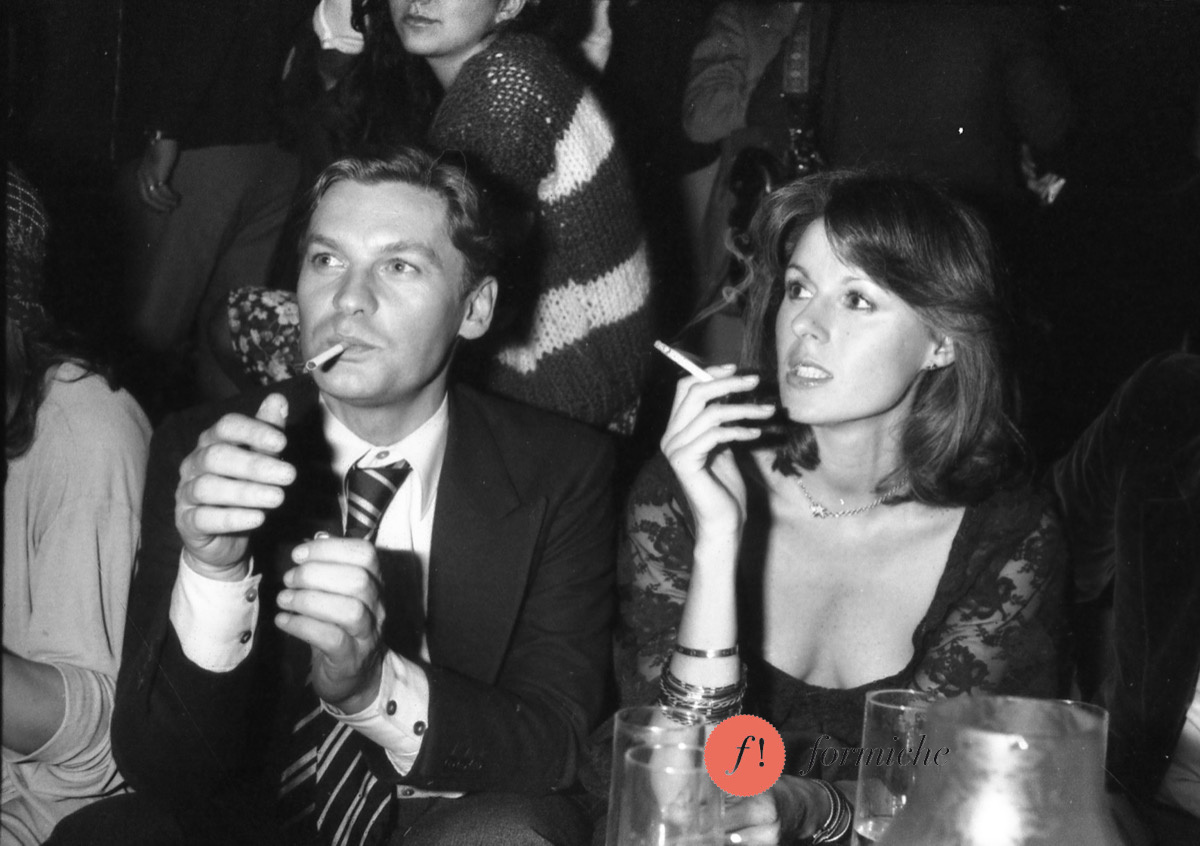
Helmut Berger and Consuelo Crespi in 1977.
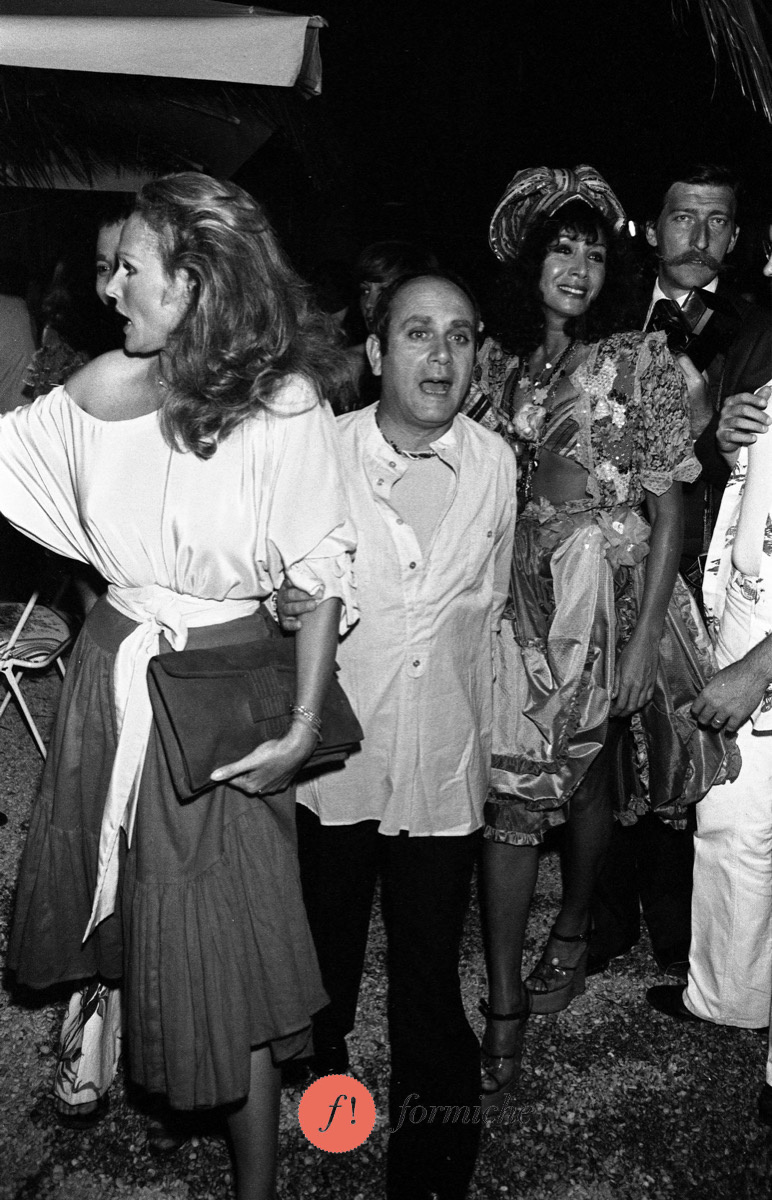
Ursula Andress and Angelo Frontoni in 1977.
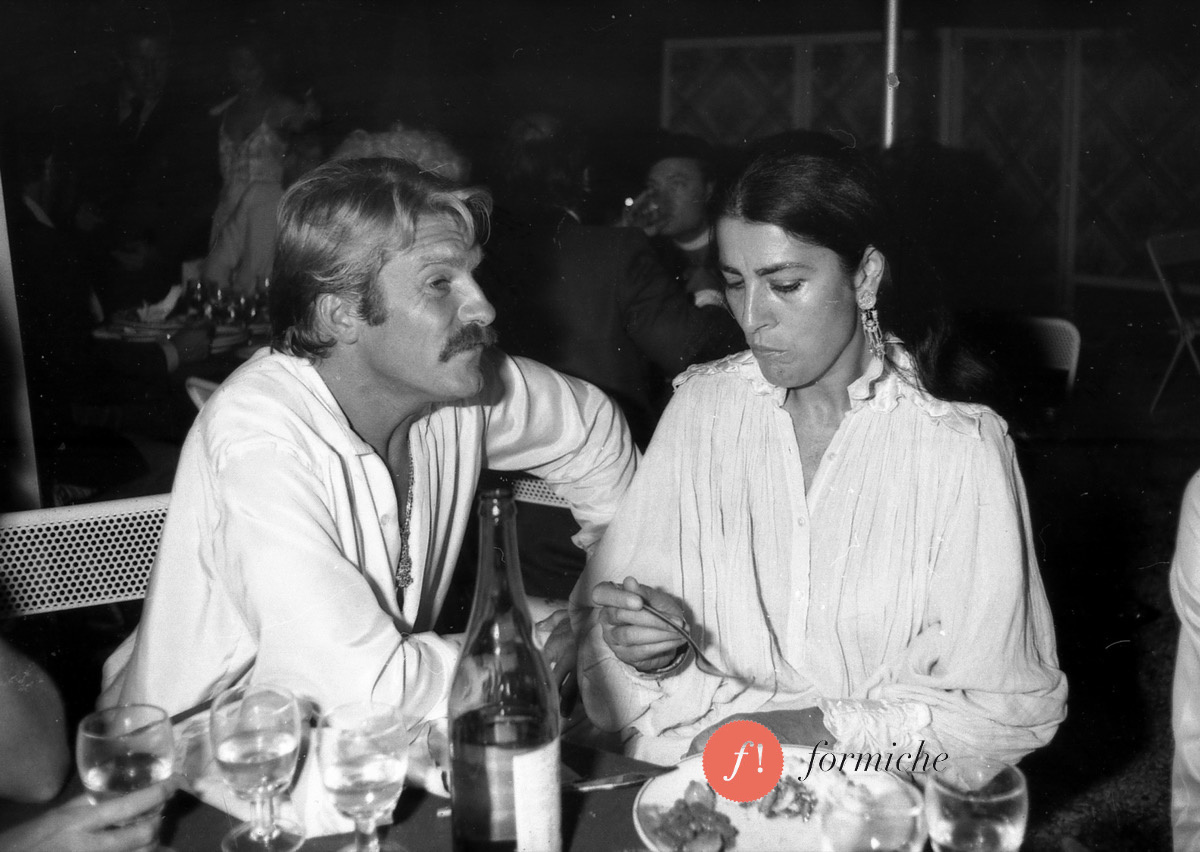
Irene Papas in 1977.
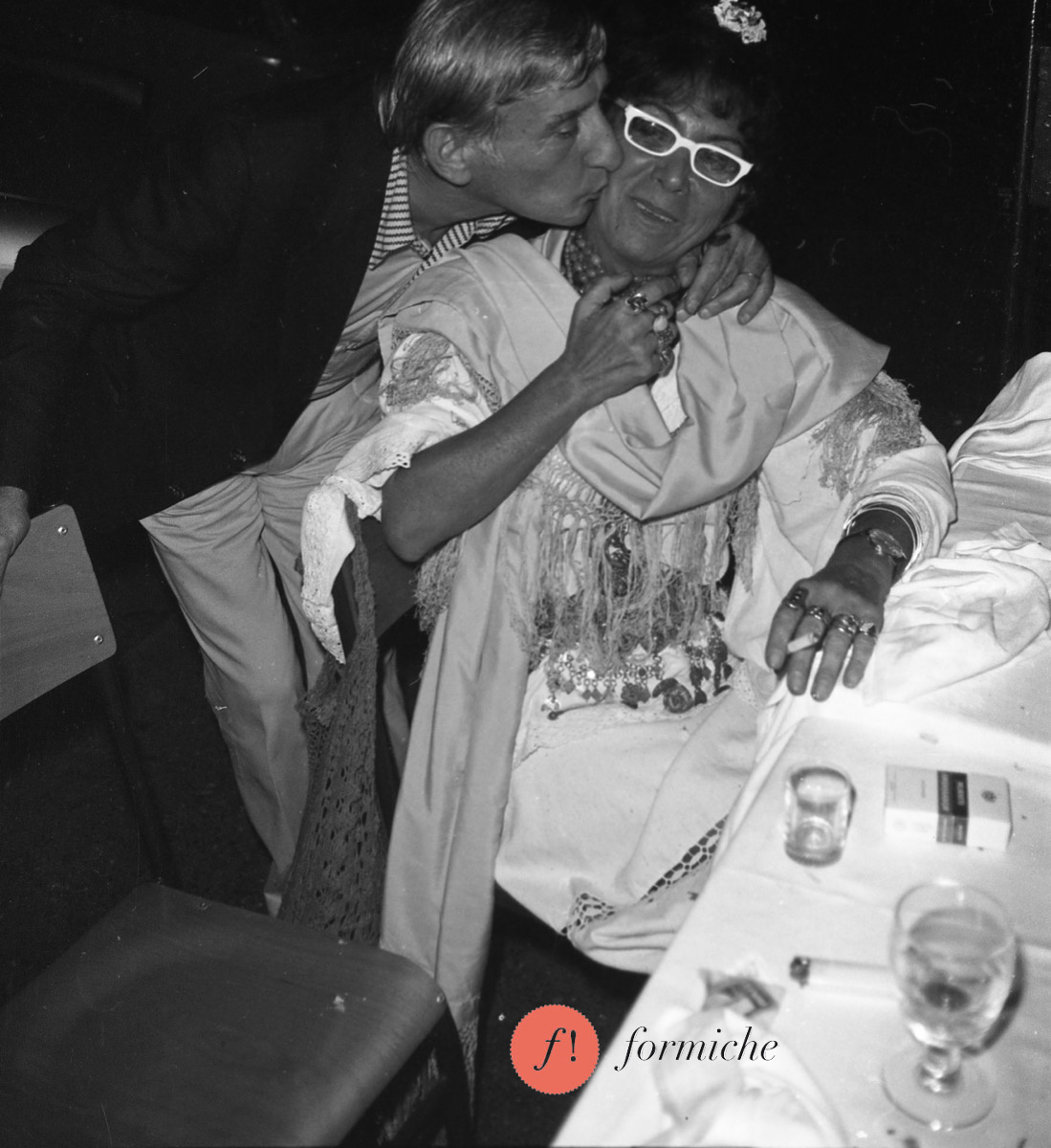
Lina Wertmuller kissed by Renato Rascel in 1977.
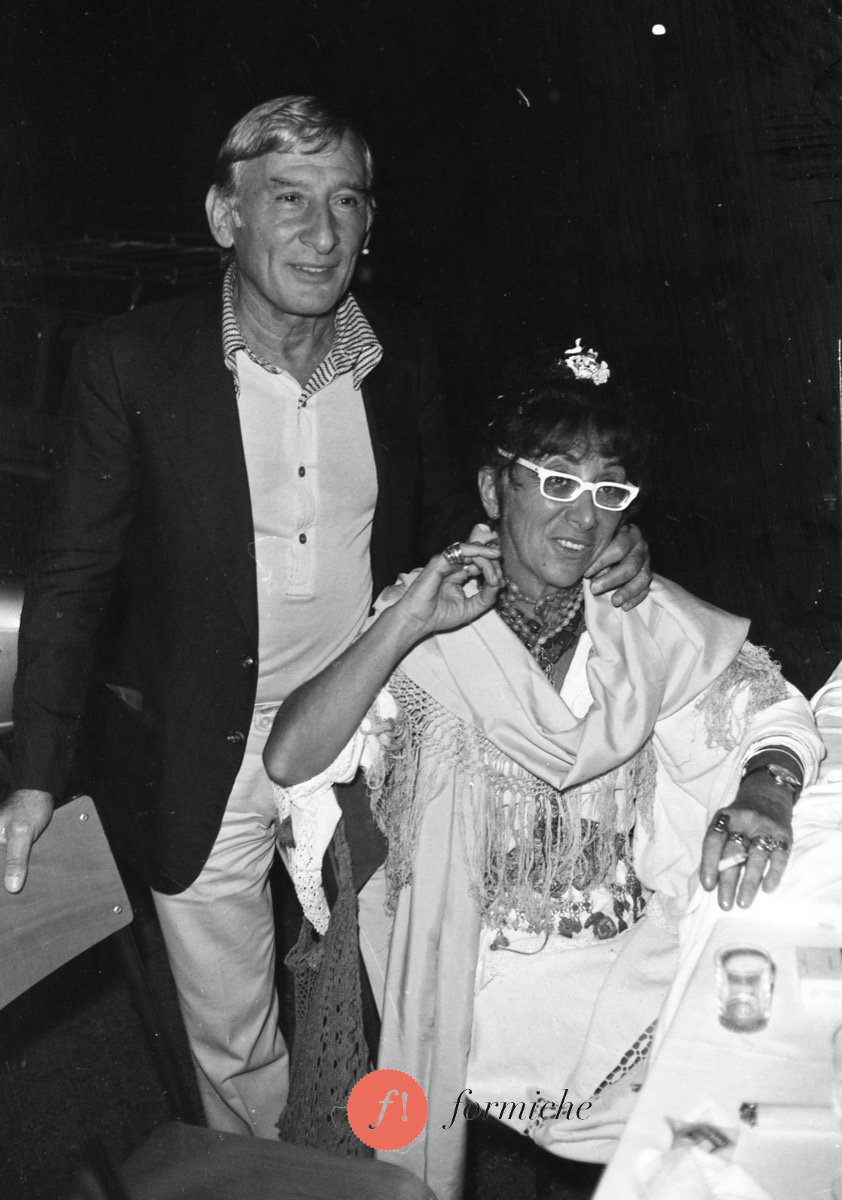
Lina Wertmuller and Renato Rascel in 1977.
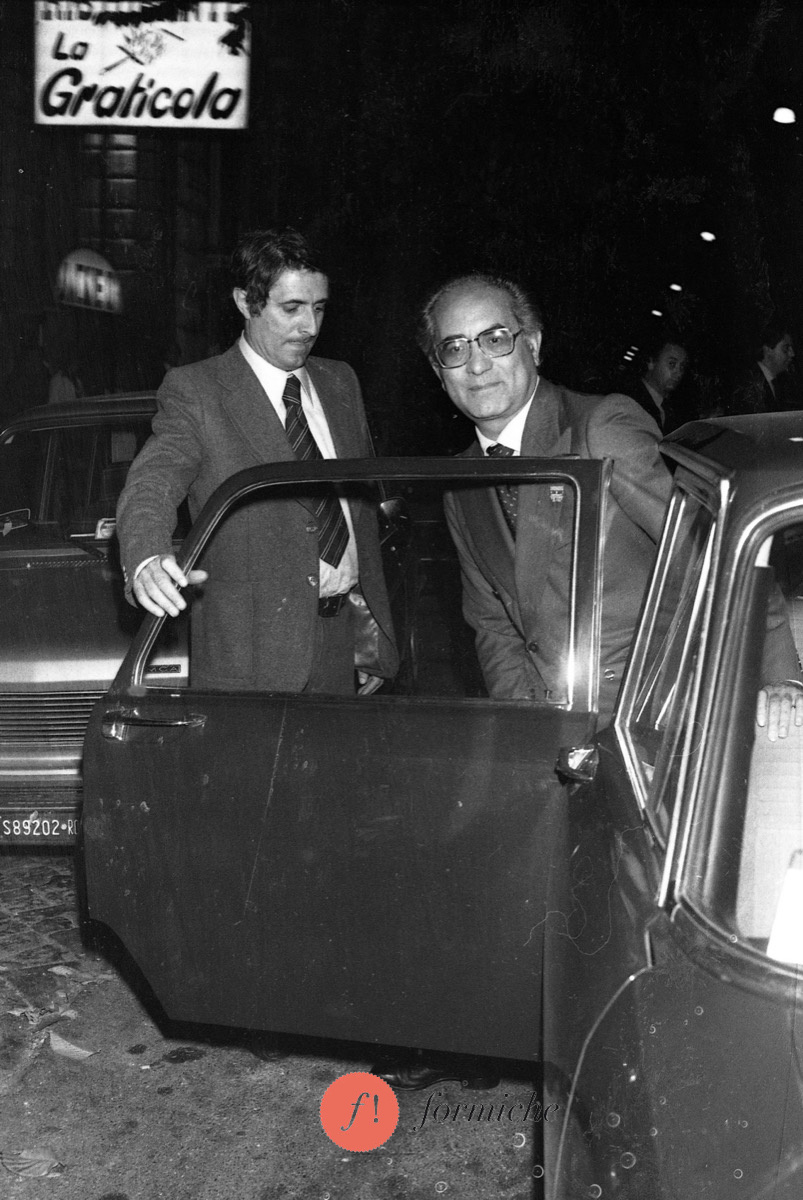
Emilio Colombo in 1977.
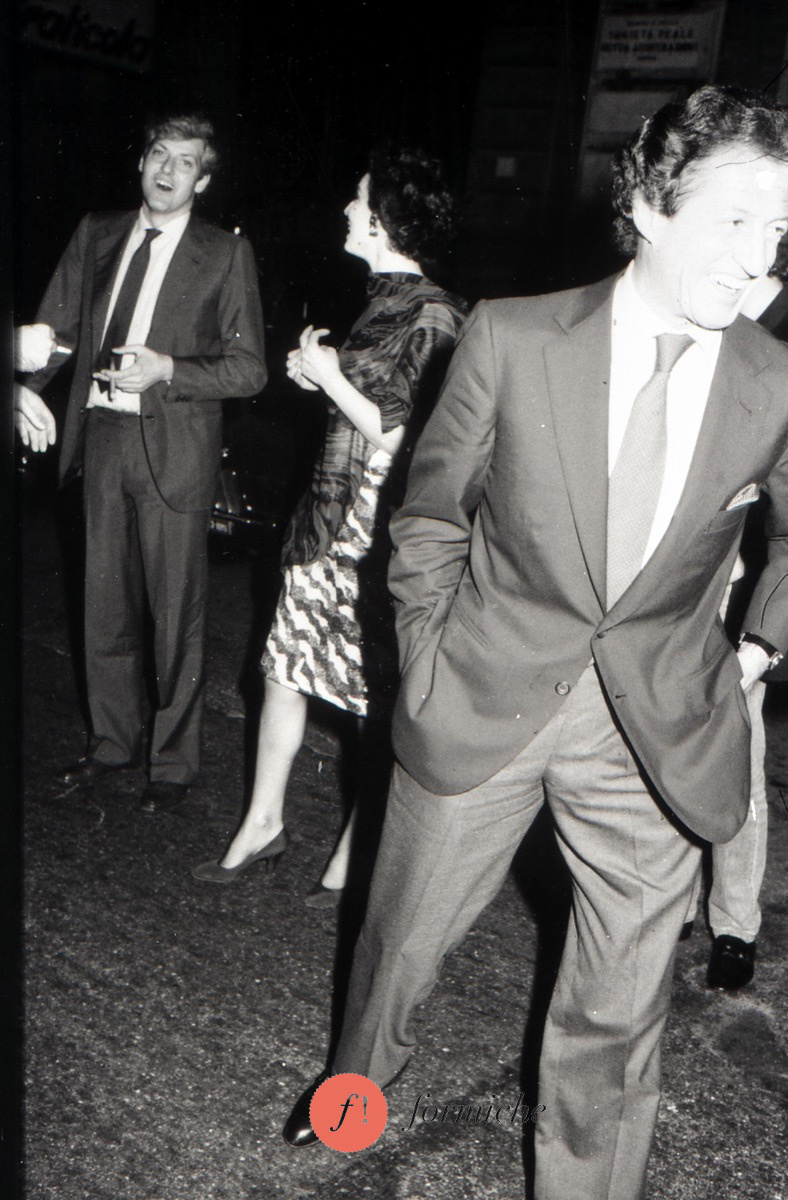
Philippe Junot in 1978.
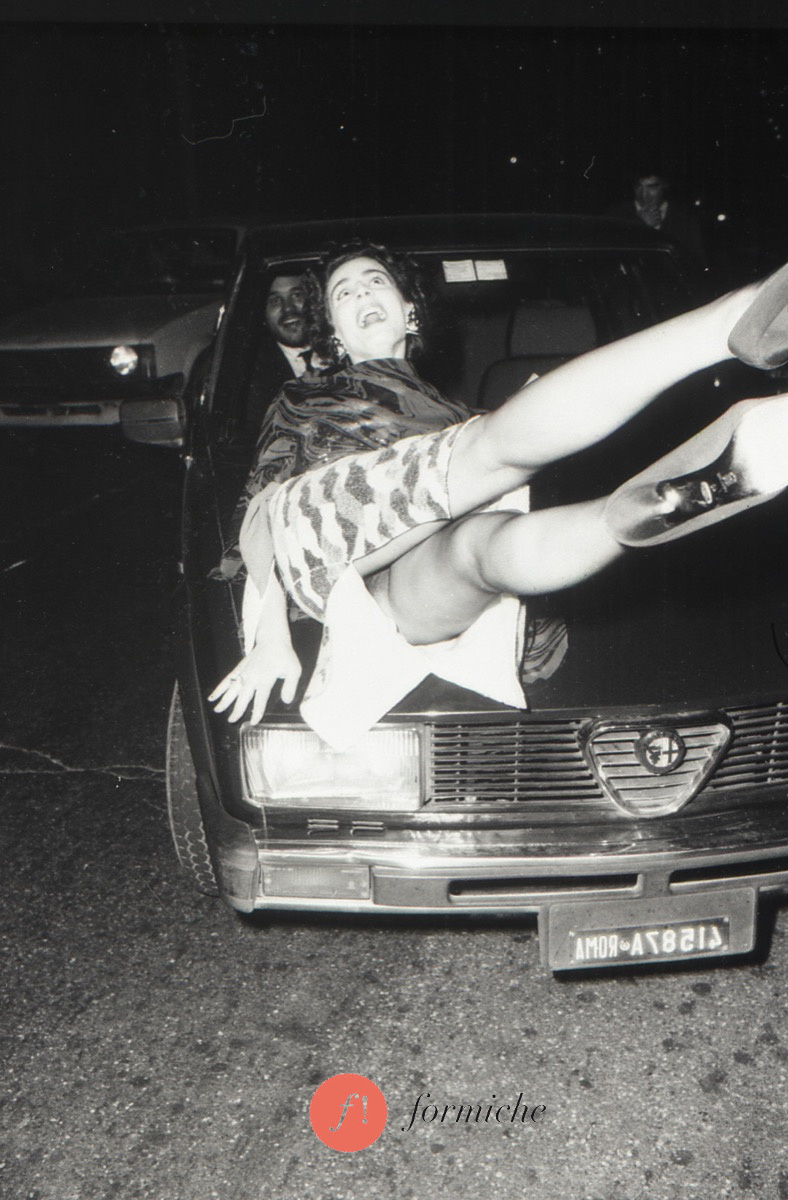
Antonia Dell'Atte in 1978.
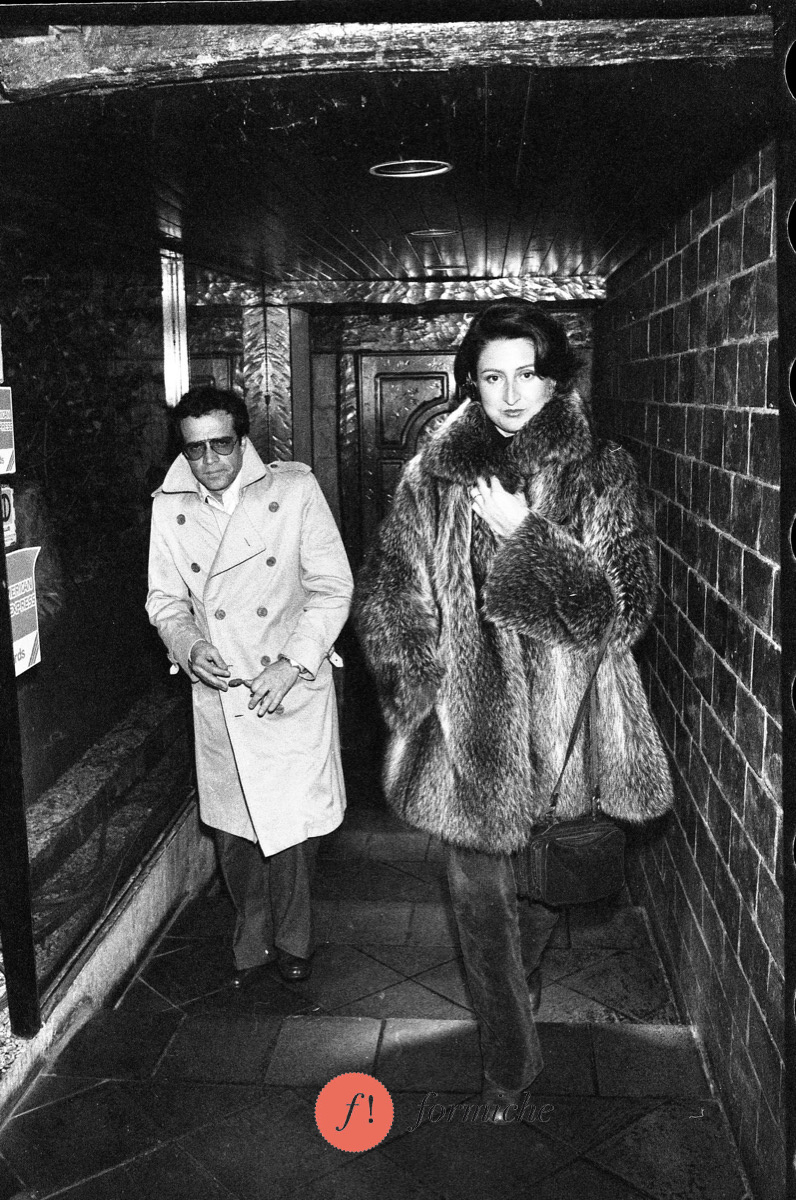
Enrico Montesano and Martina Spataro in 1978.
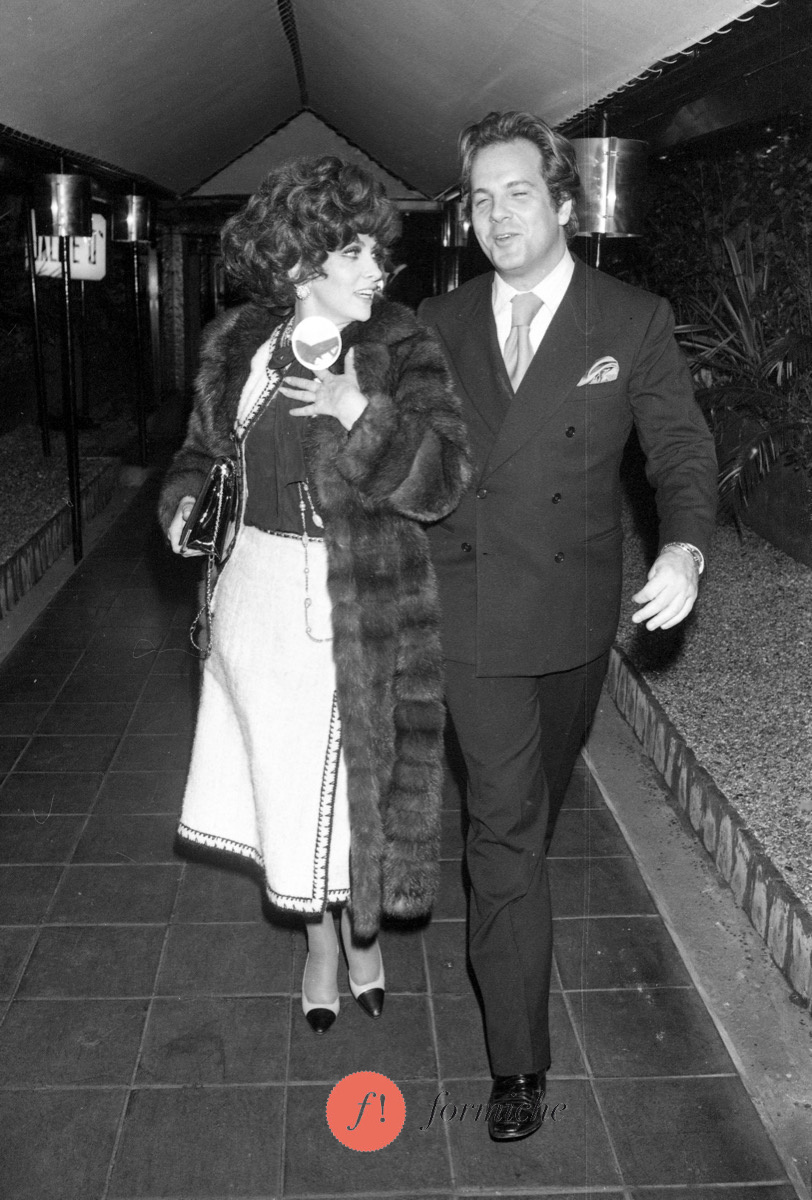
Gina Lollobrigida with Massimo Gargia in 1978.
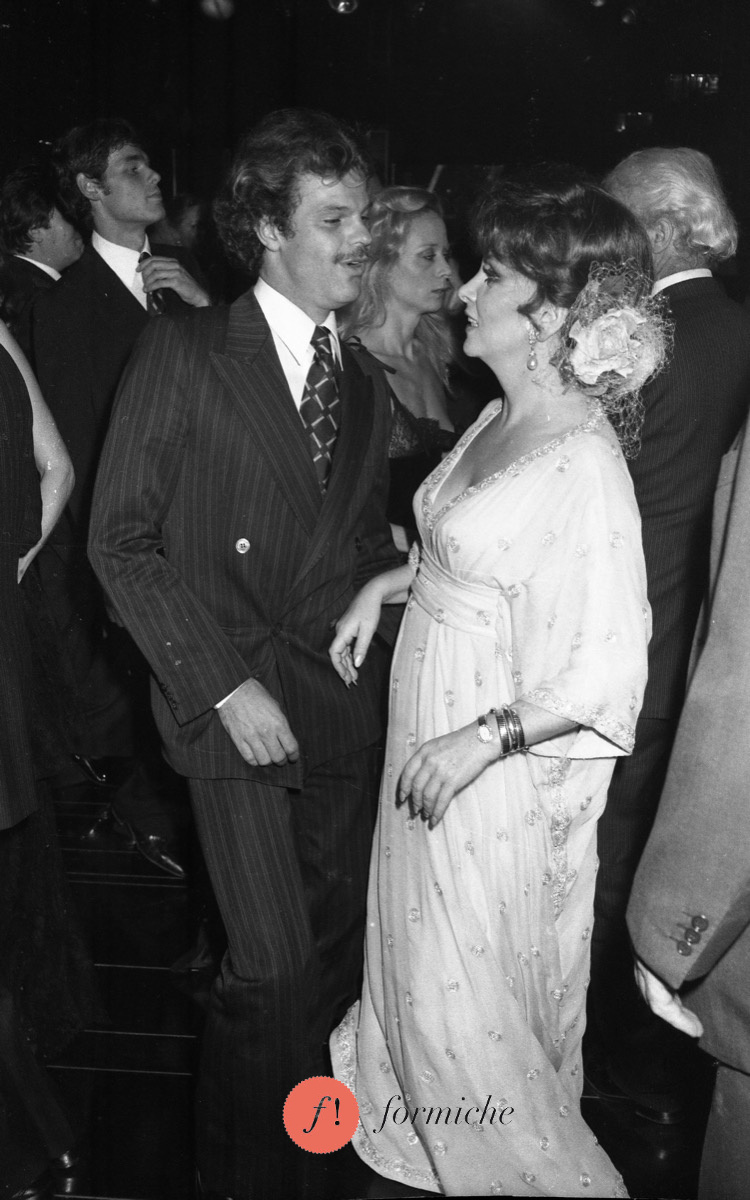
Egon von Fürstenberg and Gina Lollobrigida in 1978.
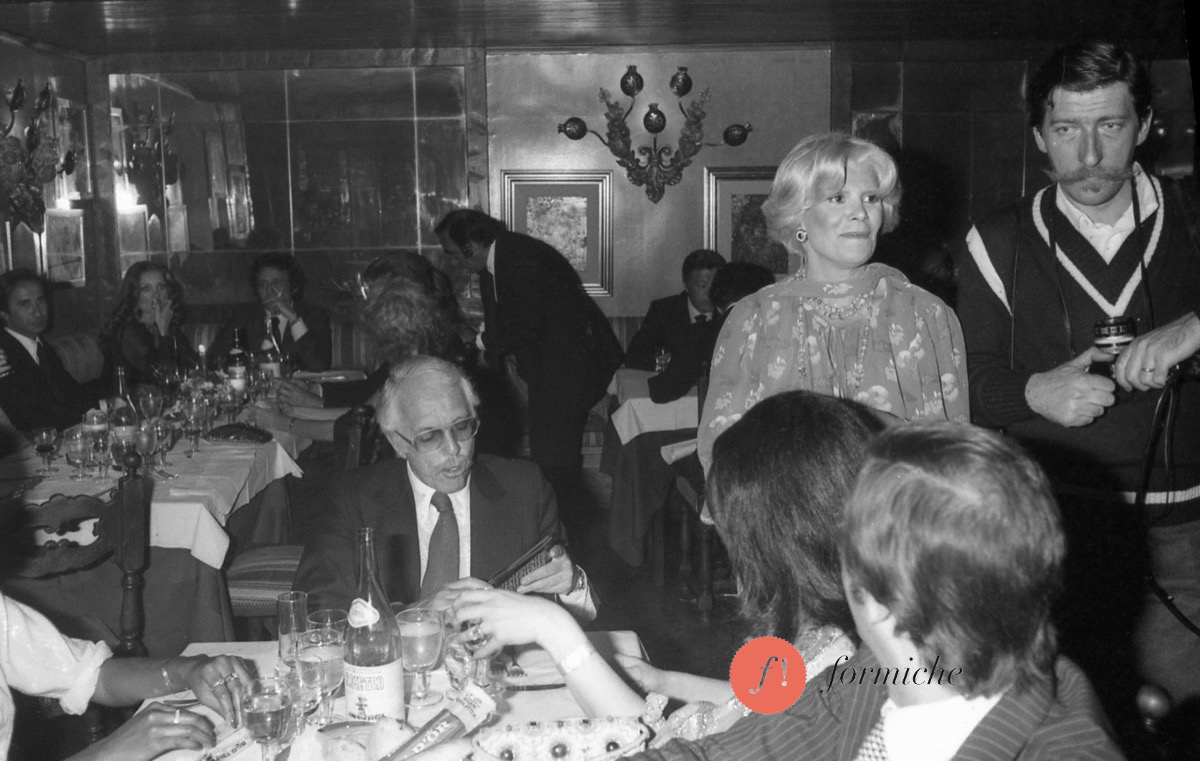
Luciano Salce in 1978.
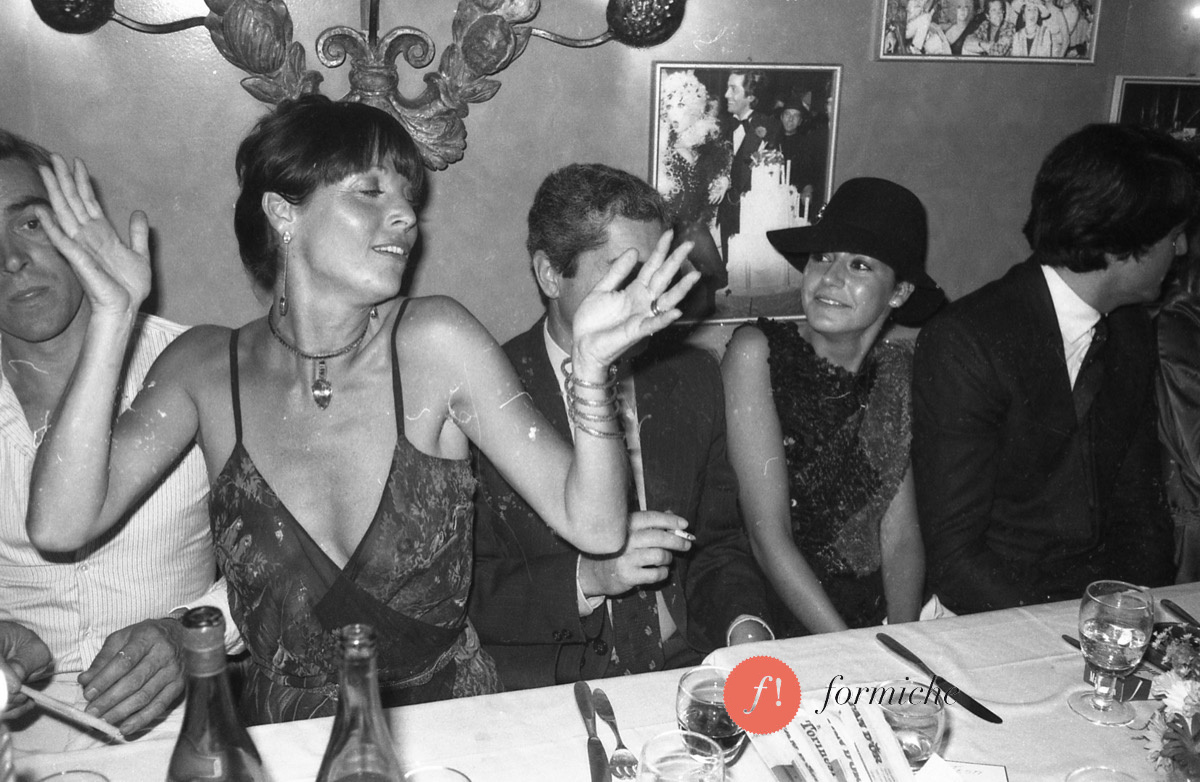
Elsa Martinelli in 1979.
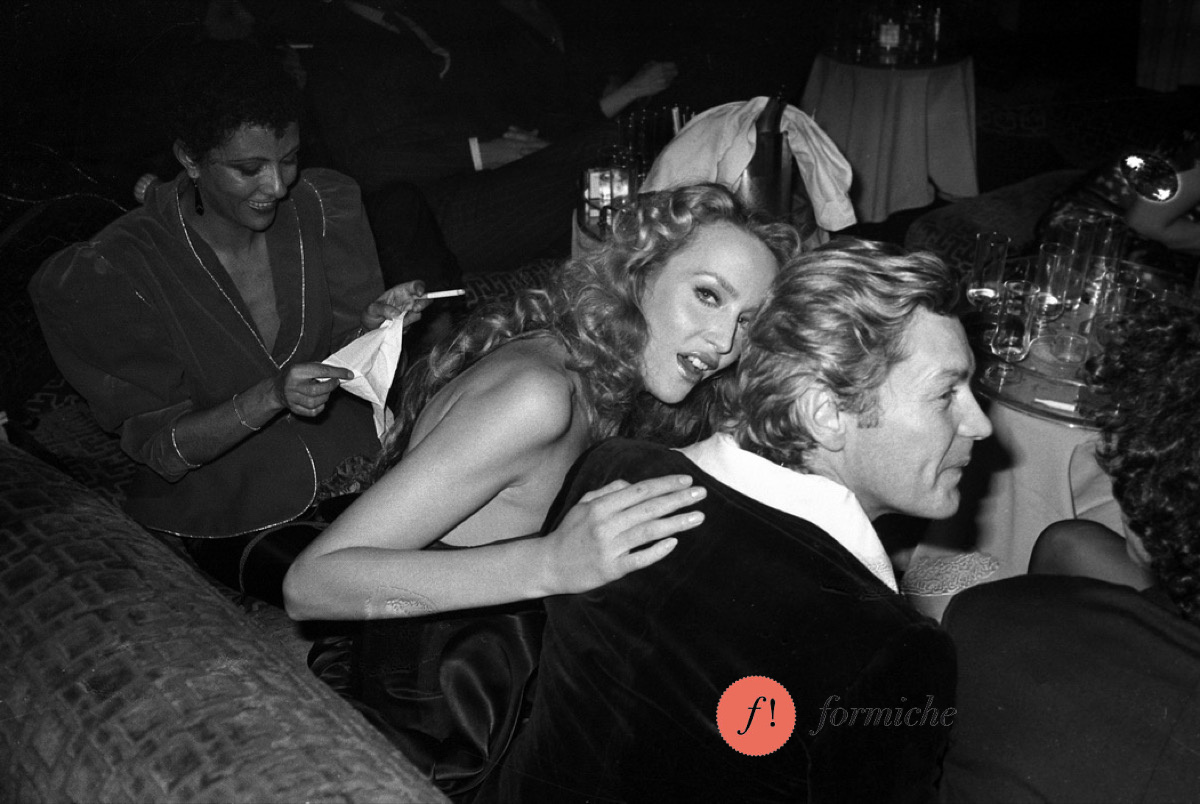
Jerry Hall and Helmut Berger in 1979.
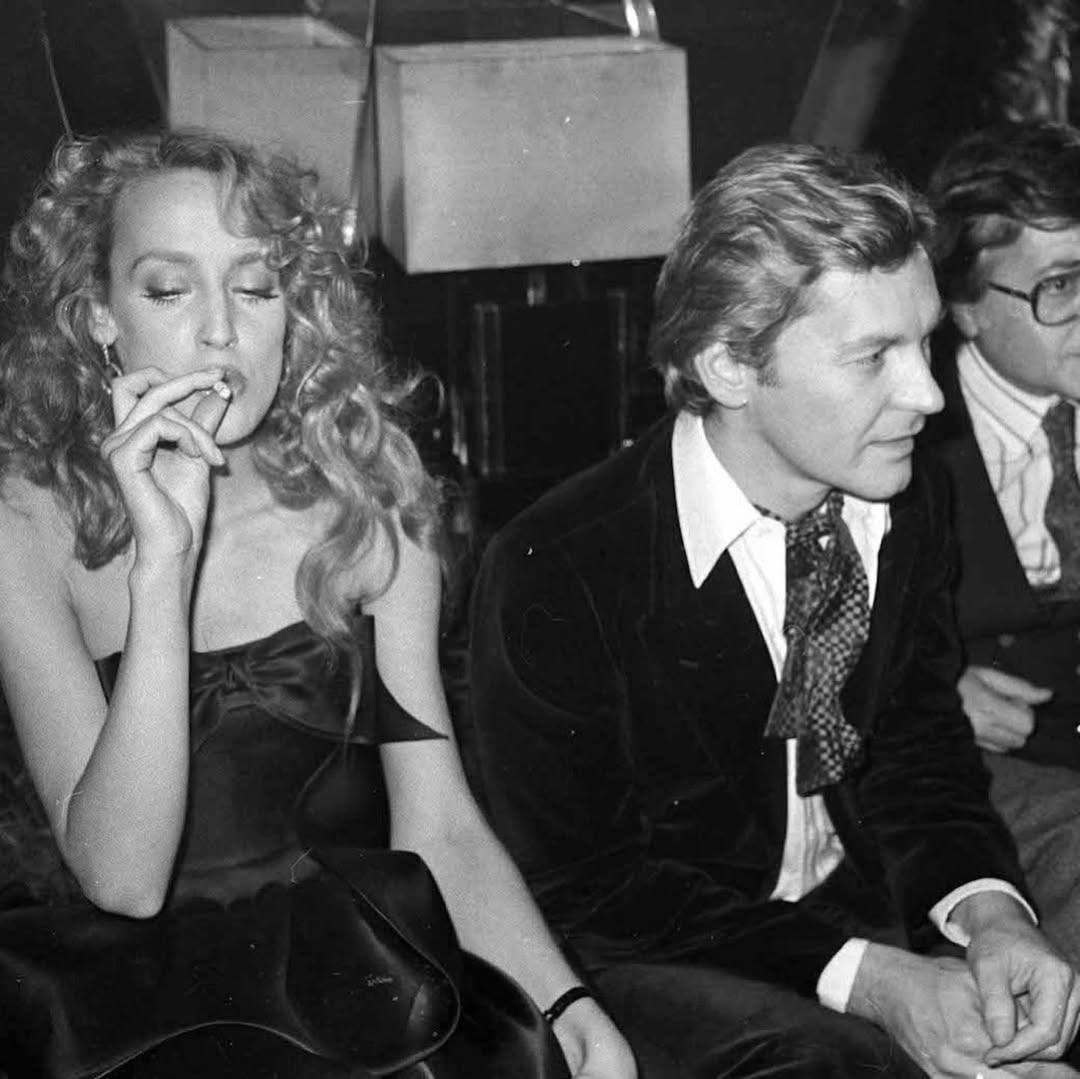
Jerry Hall and Helmut Berger in 1979.
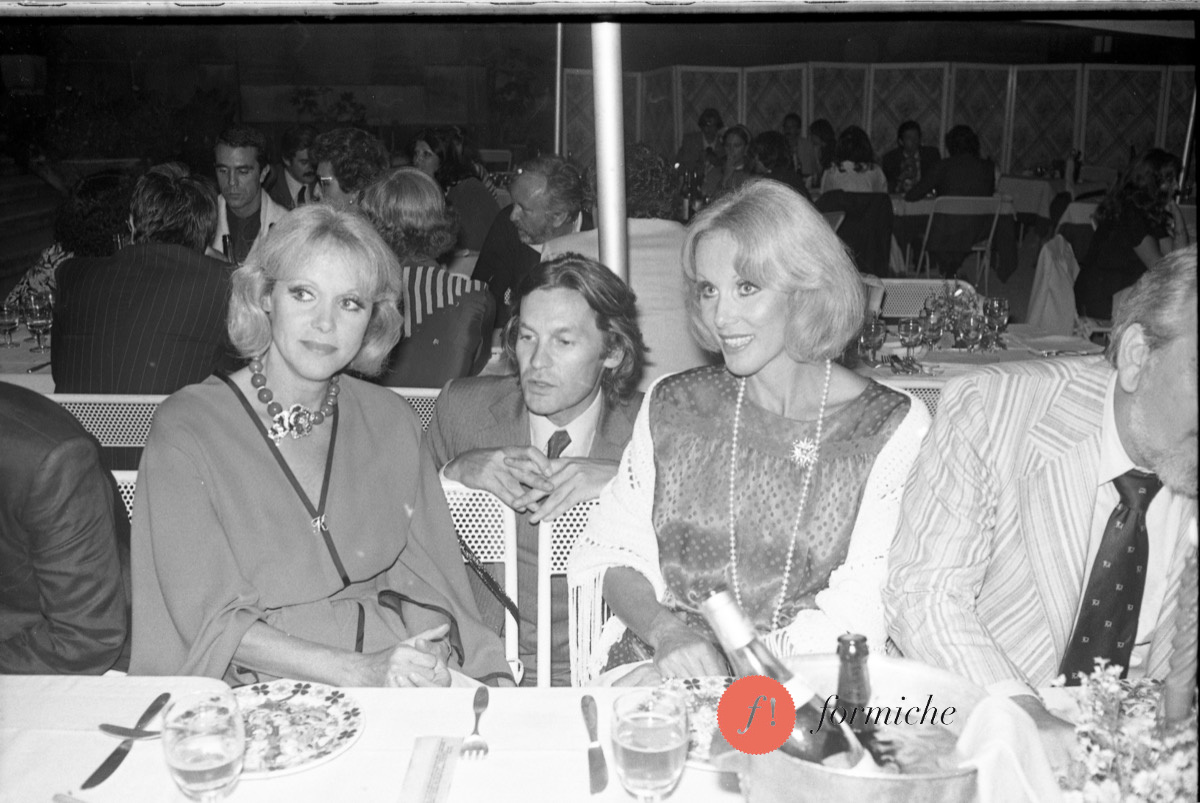
Alice and Ellen Kessler with Helmut Berger in 1980.
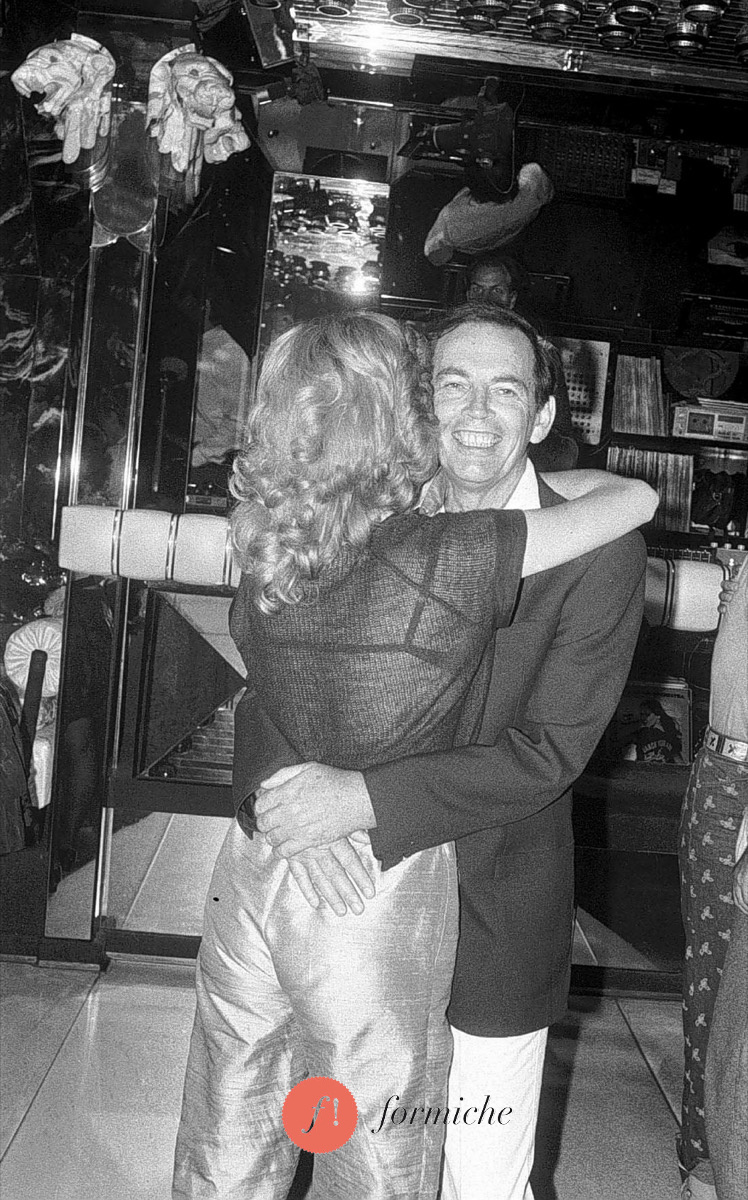
Christiaan Barnard with Moana Pozzi in June 1982.
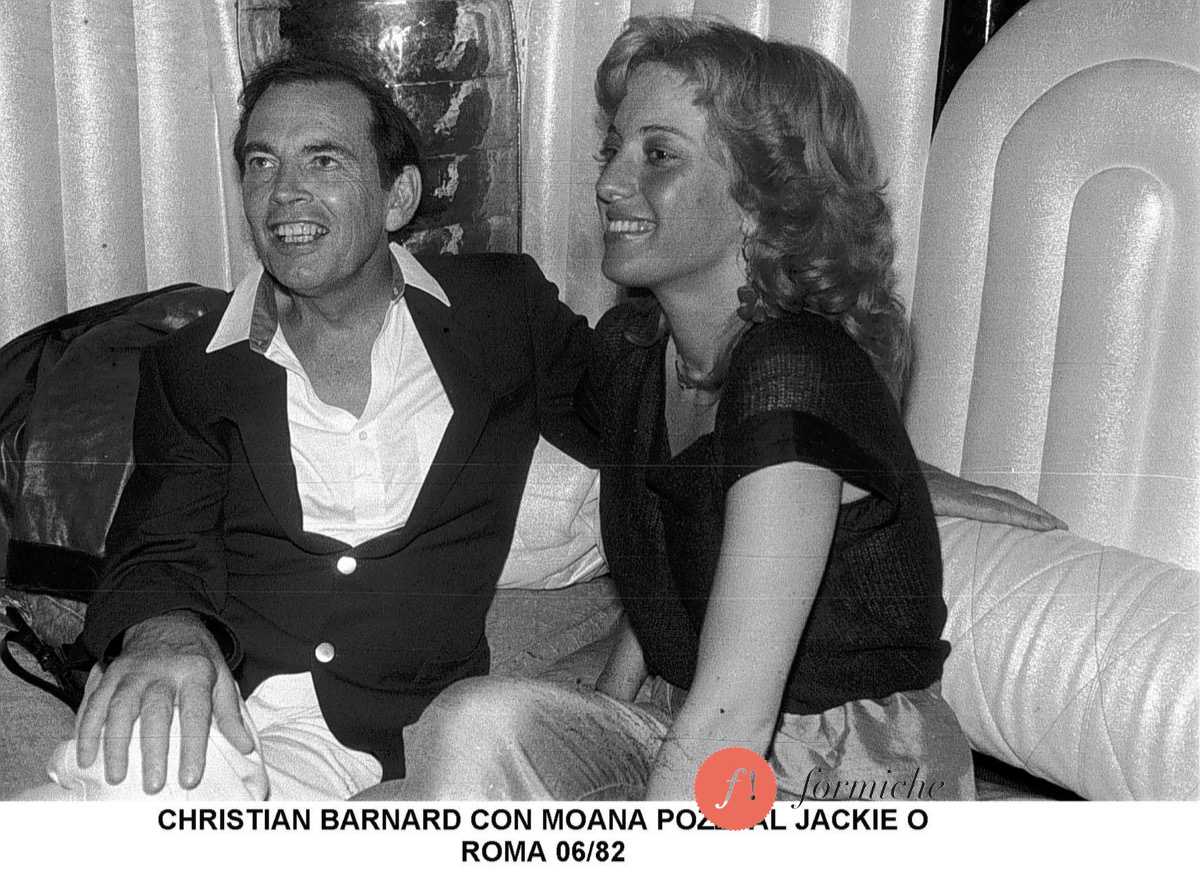
Christiaan Barnard with Moana Pozzi in June 1982.
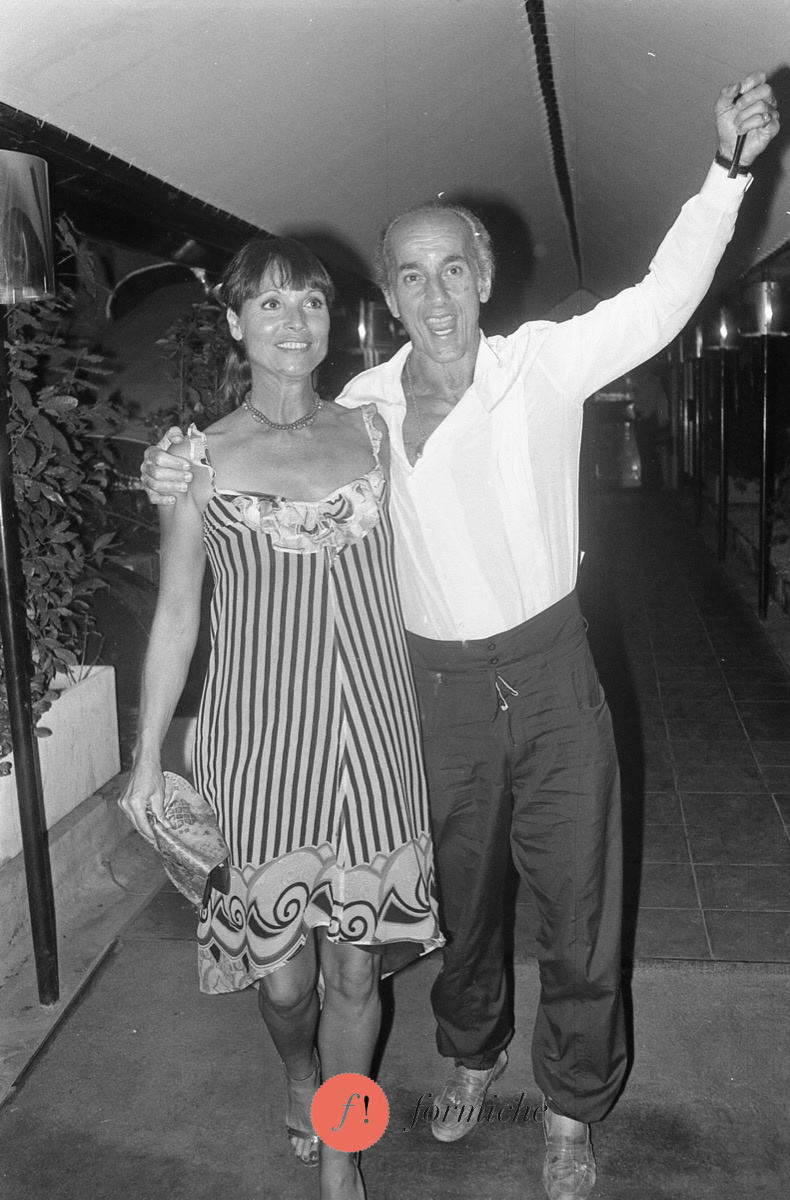
Elsa Martinelli with prince Dado Ruspoli in 1982.
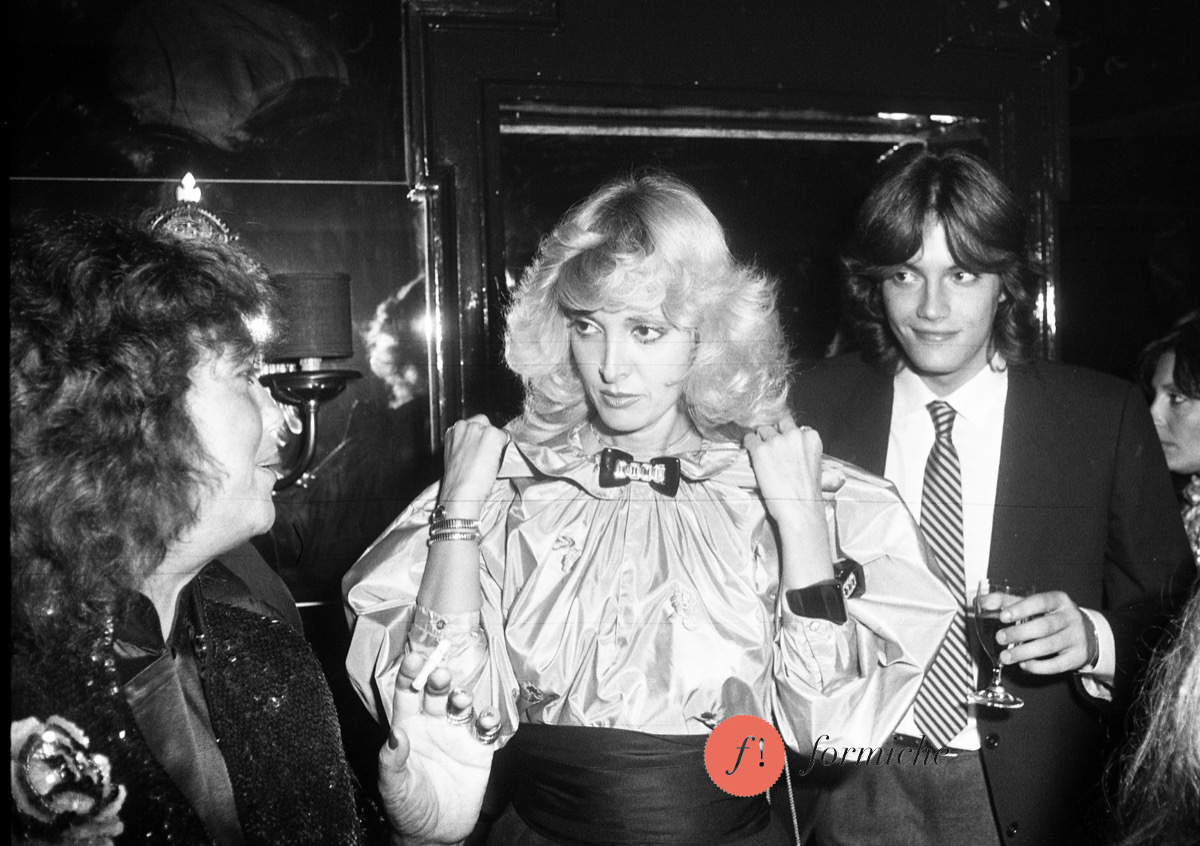
Beatrice Gori with Cristiano De Andrè in 1982.
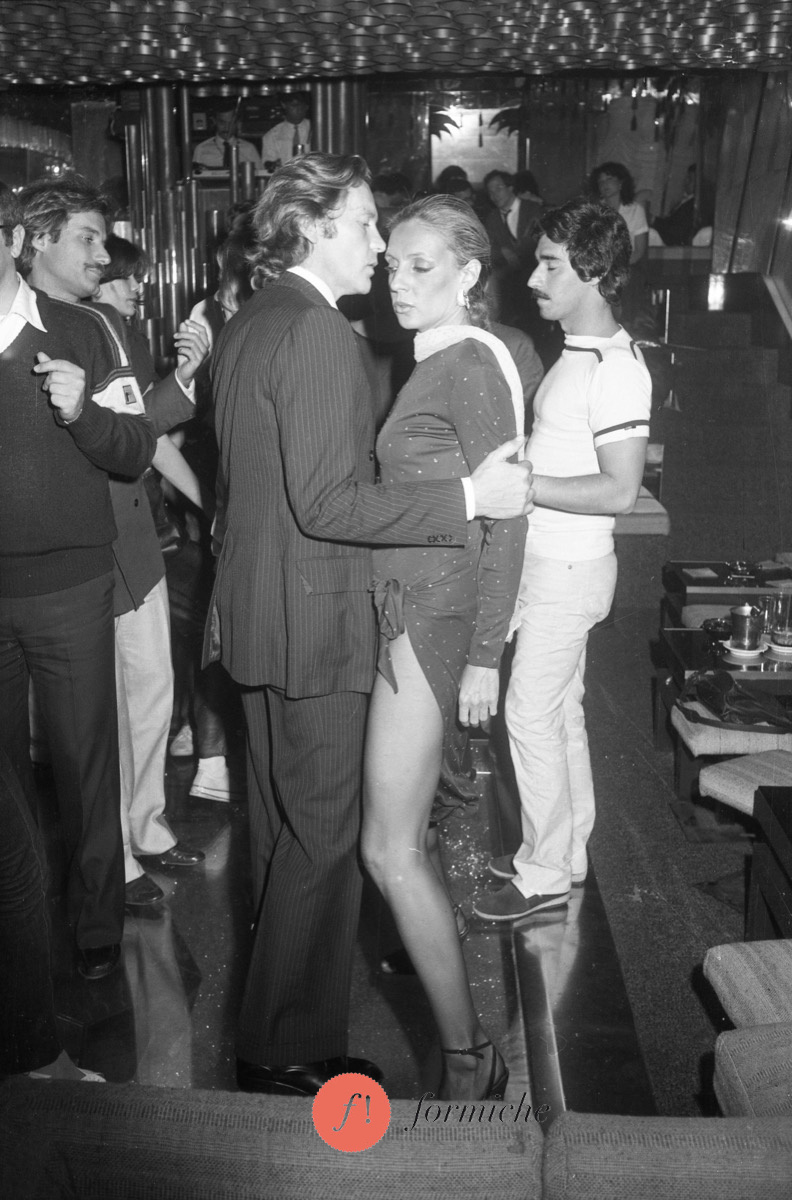
Helmut Berger and Marie Laure Sachs in 1982.
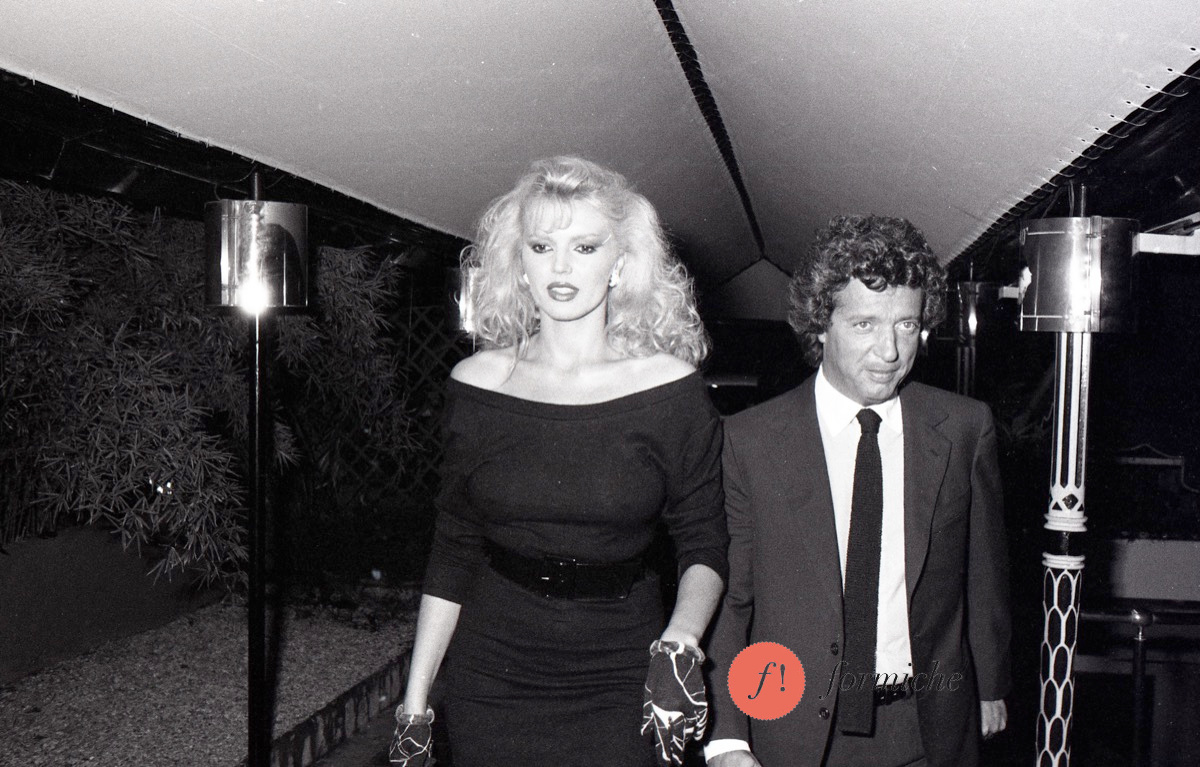
Rita Rusic and Vittorio Cecchi Gori in 1983.
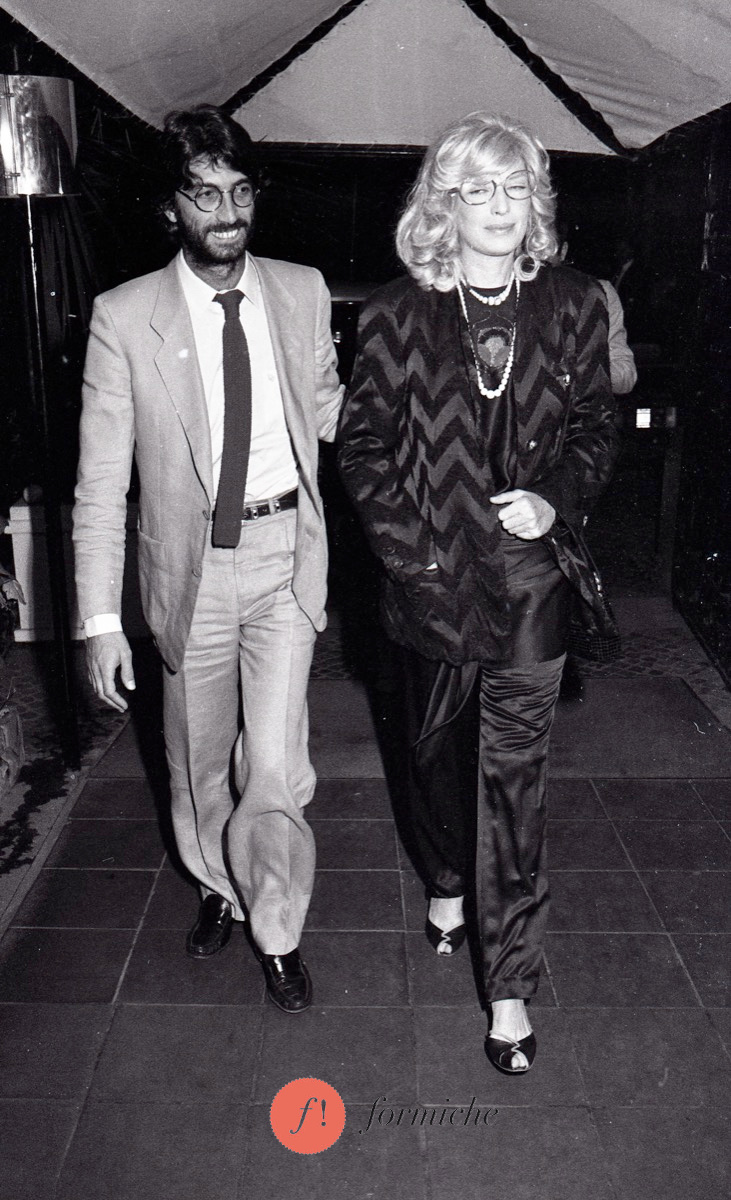
Roberto Russo and Monica Vitti in 1983.
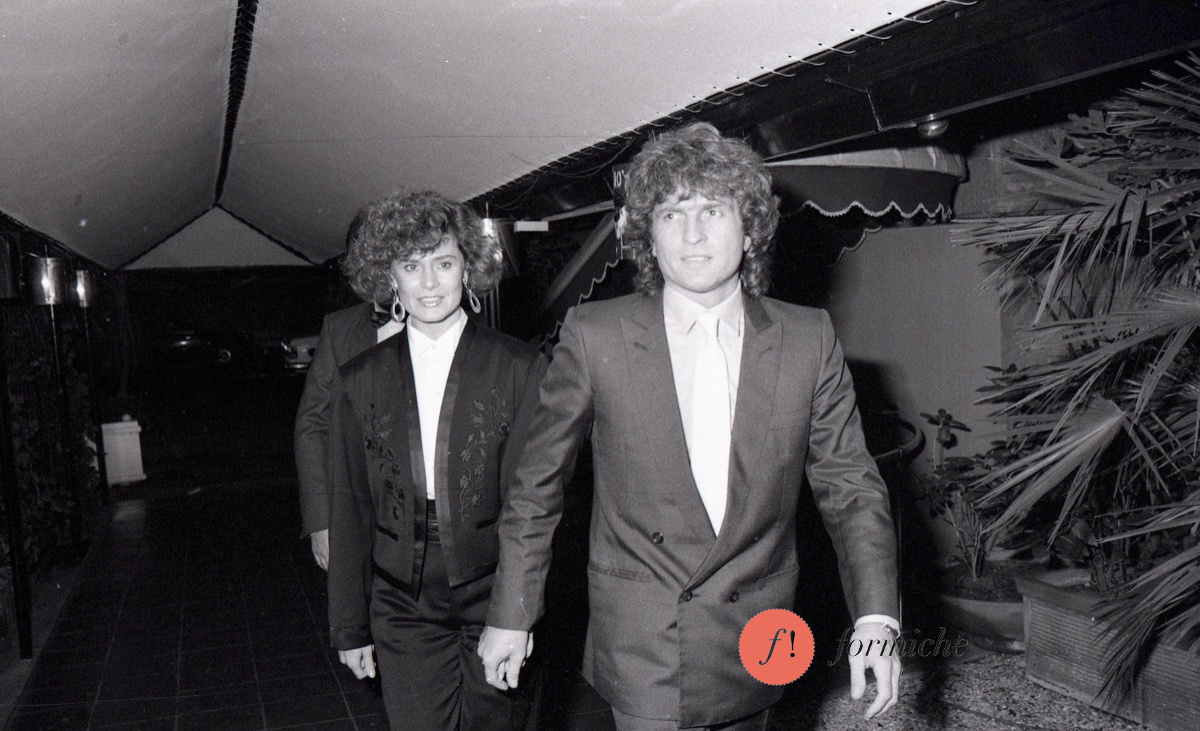
Corinne Cléry with Paolo Pazzaglia in 1983.
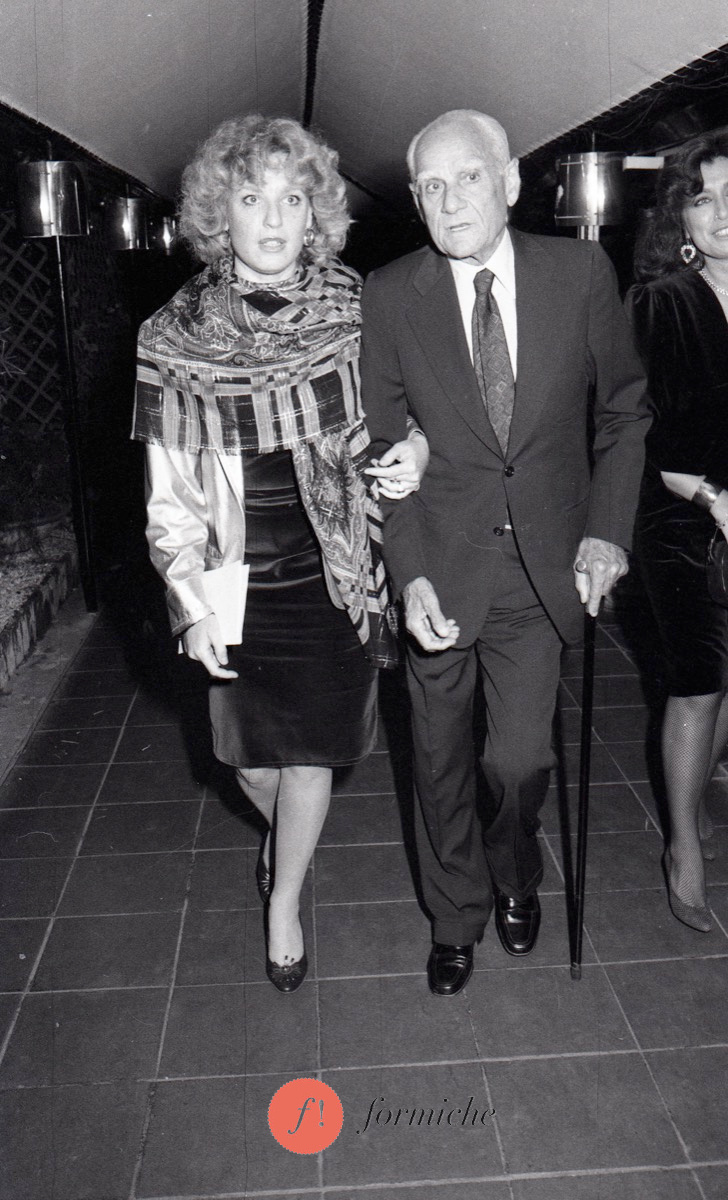
Irene Ghergo and Alberto Moravia in 1983.
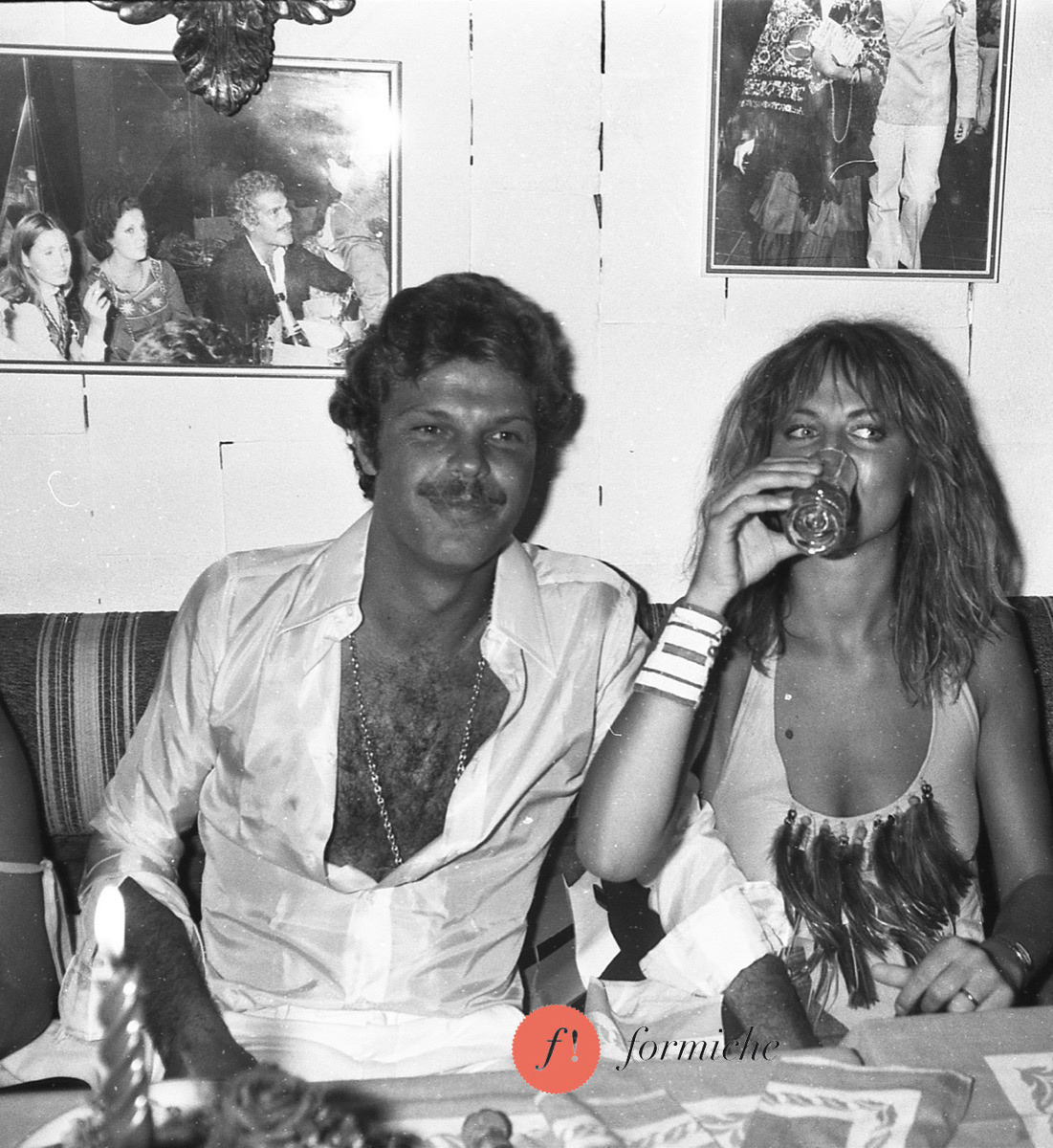
Egon von Fürstenberg with Dalila Di Lazzaro in 1983.
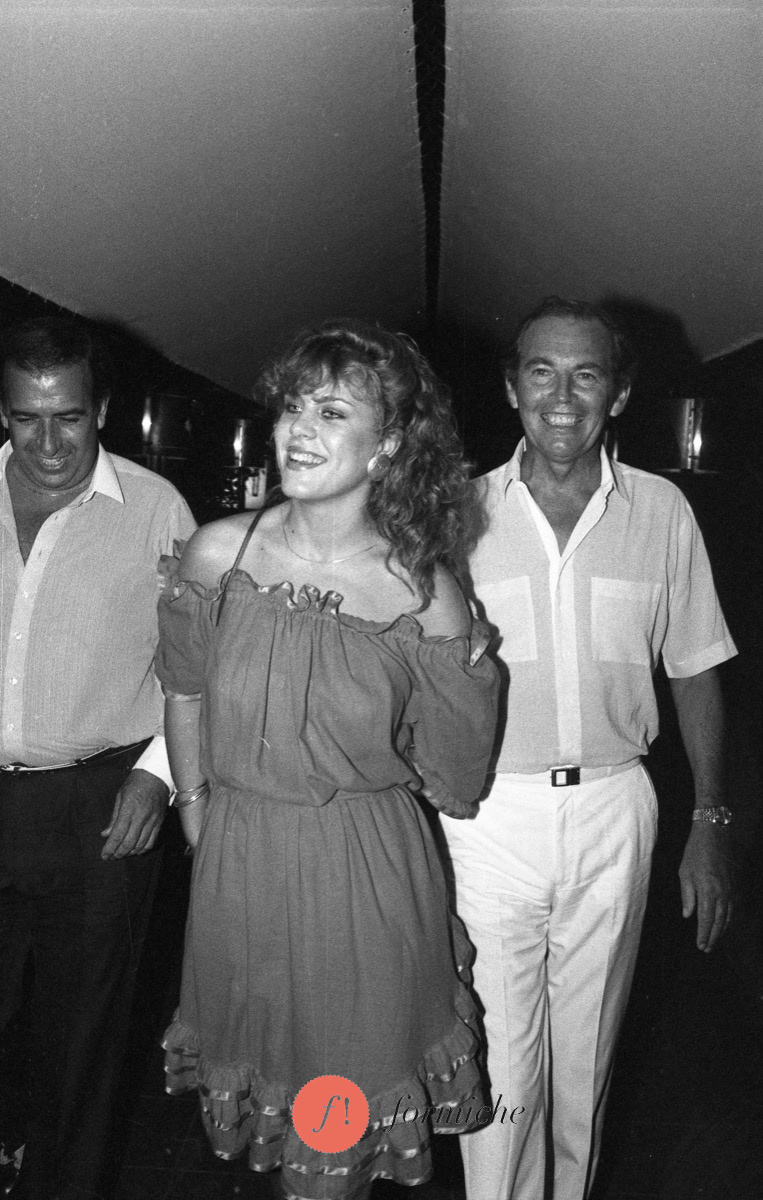
Karin Setzkorn and Christiaan Barnard in 1983.
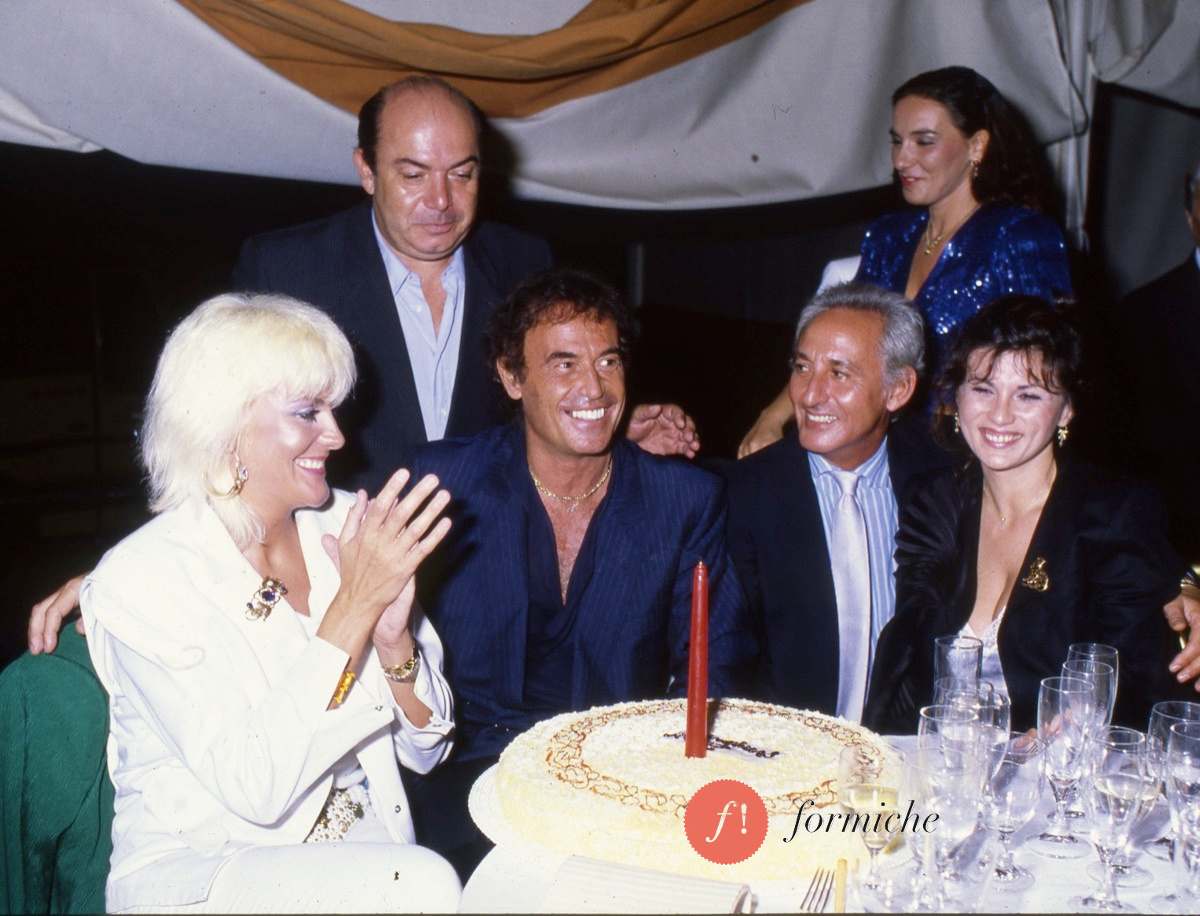
Franco Califano.
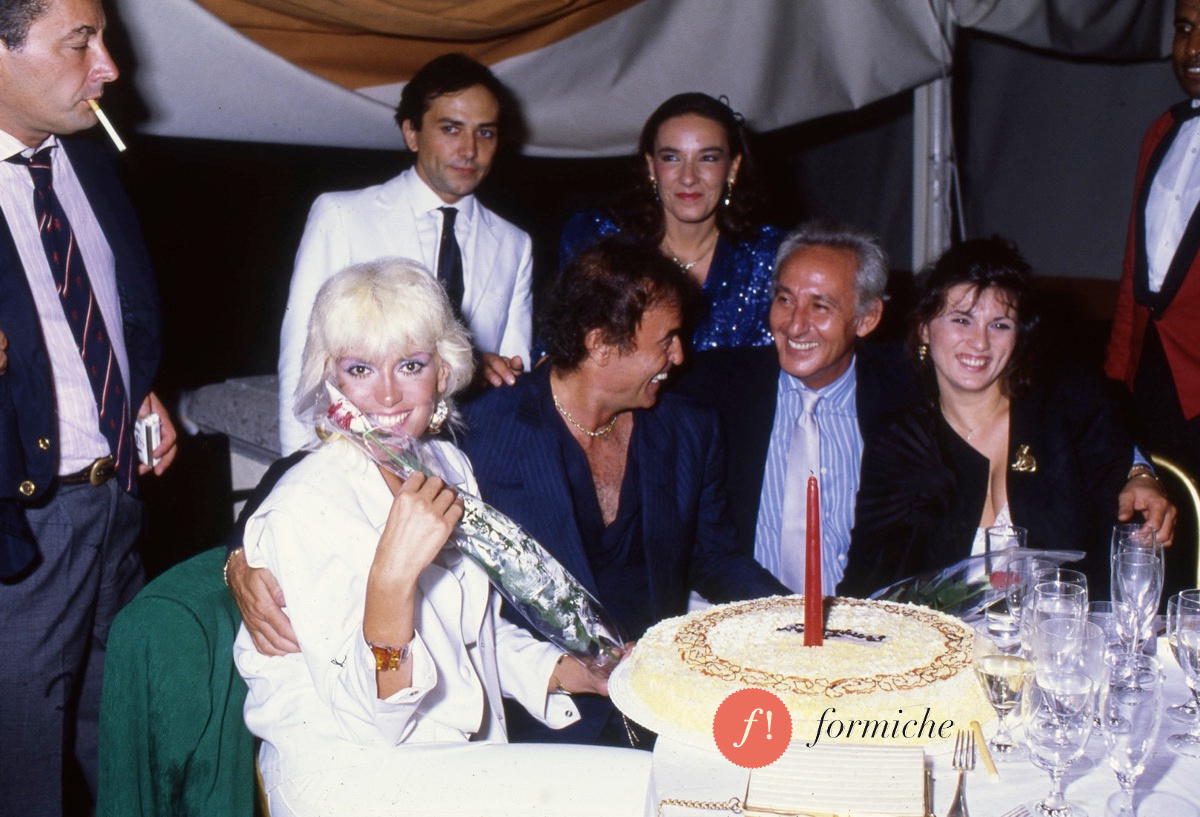
Franco Califano.
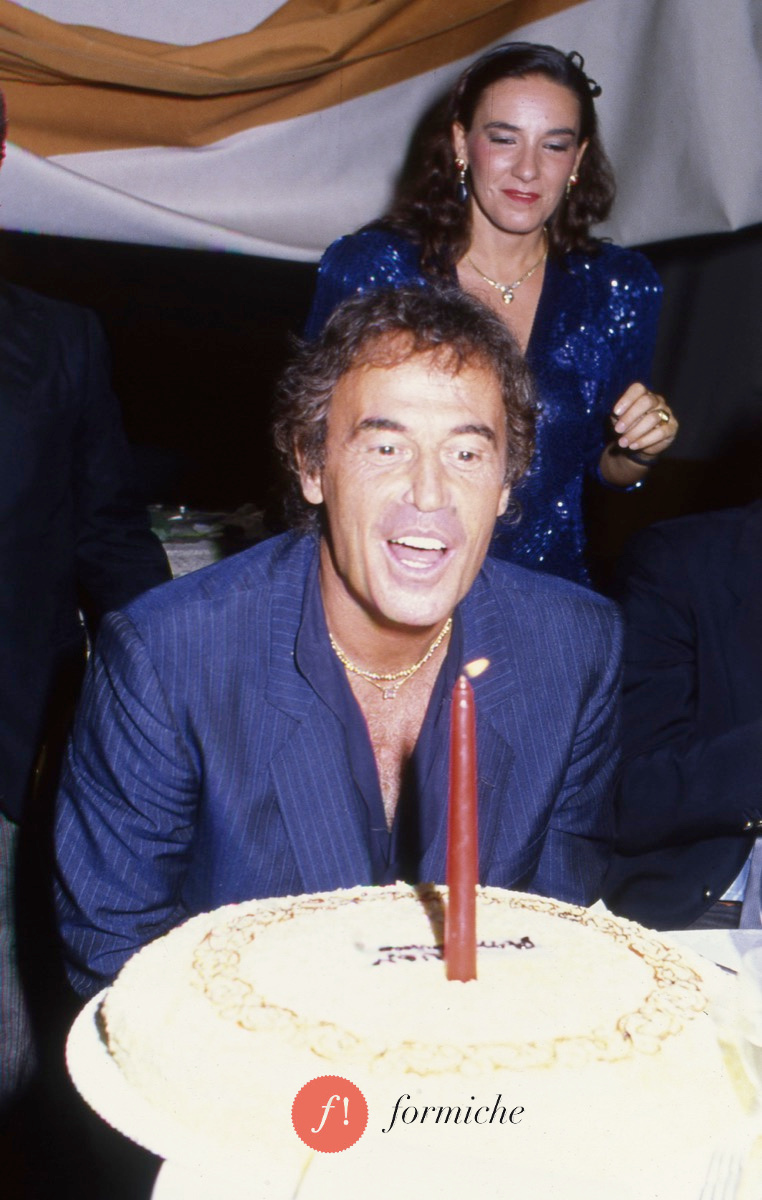
Franco Califano.
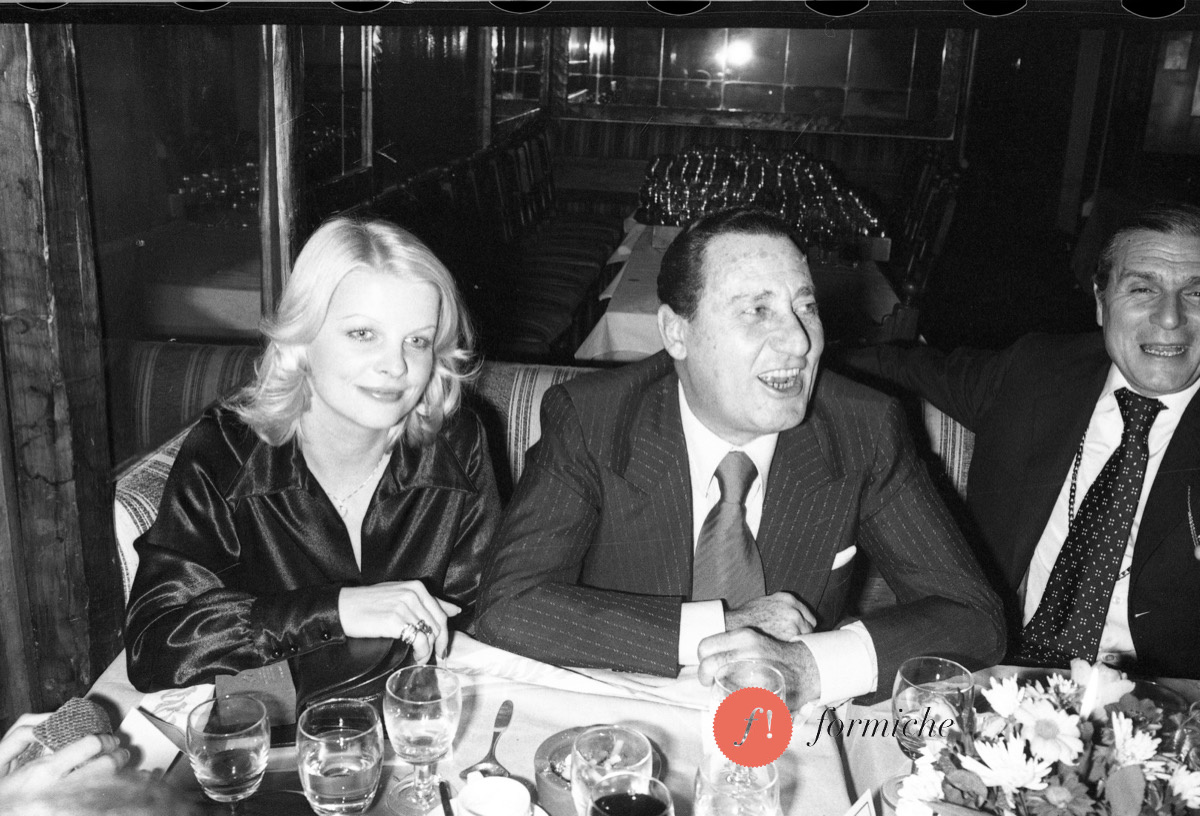
Gisela Hahn and Alberto Sordi.
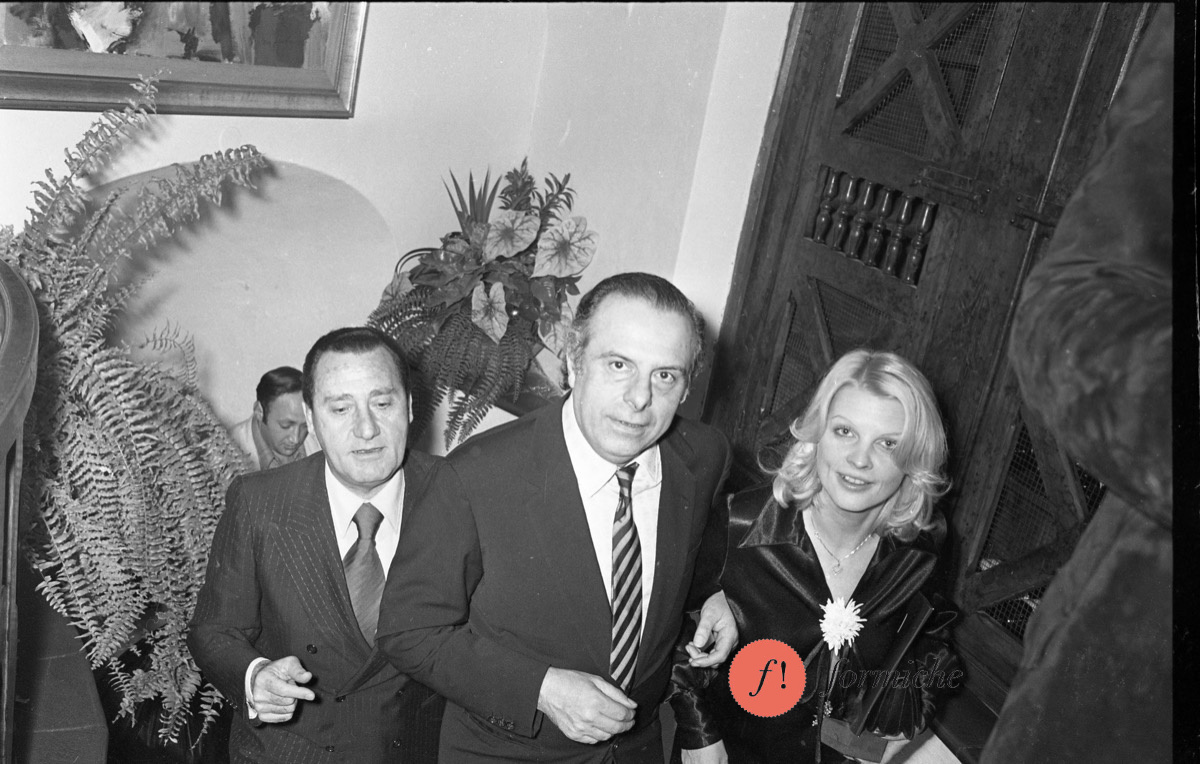
Alberto Sordi and Gisela Hahn.
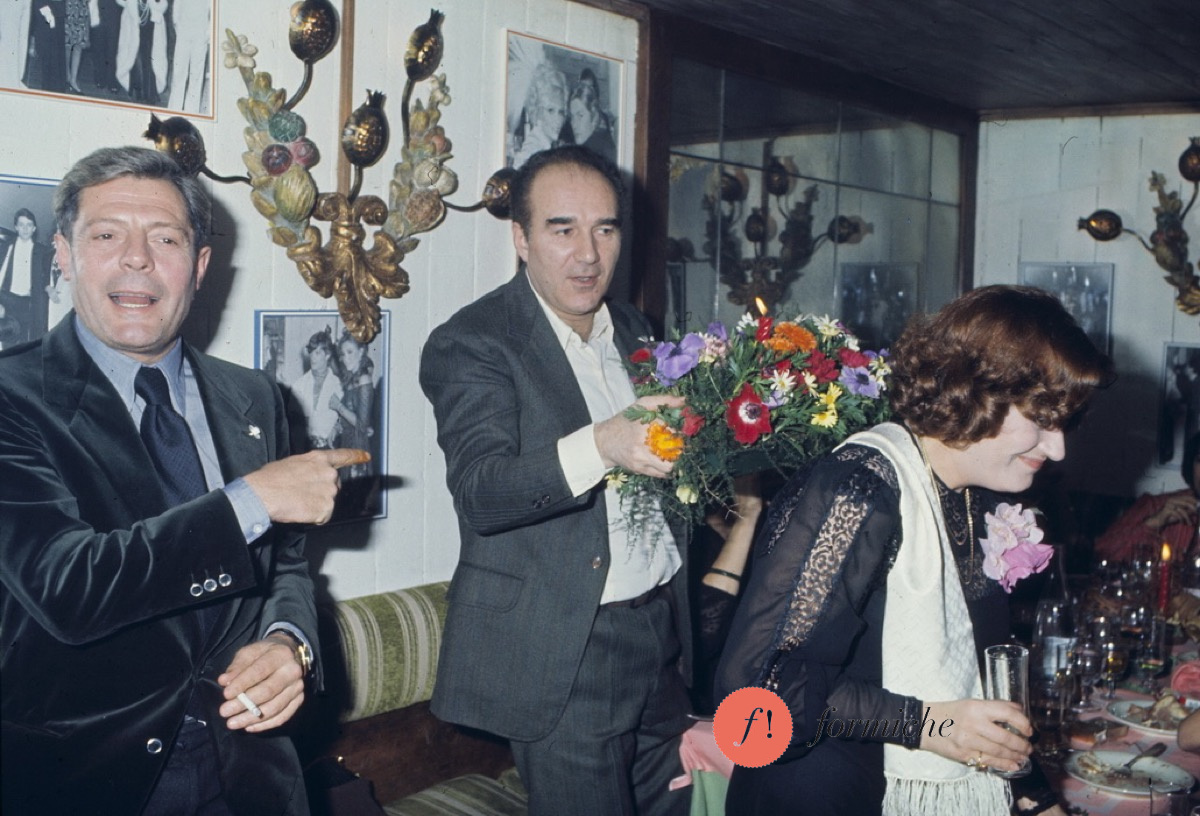
Marcello Mastroianni.
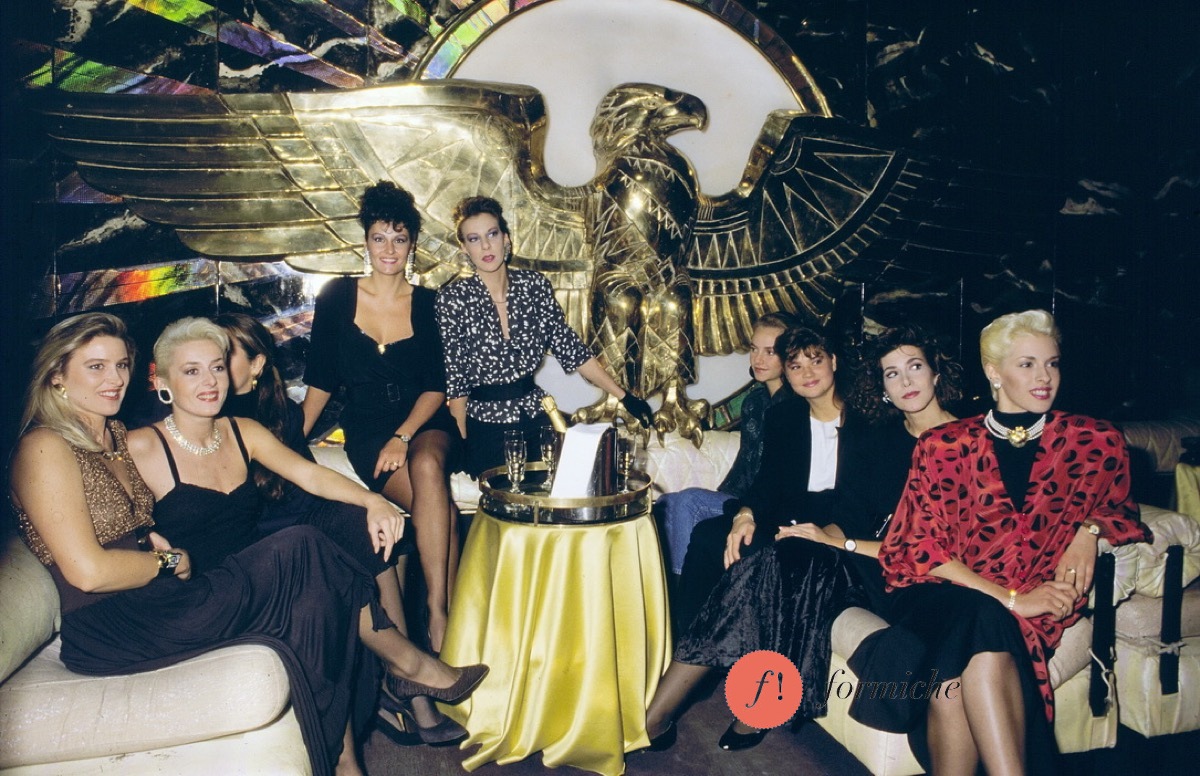
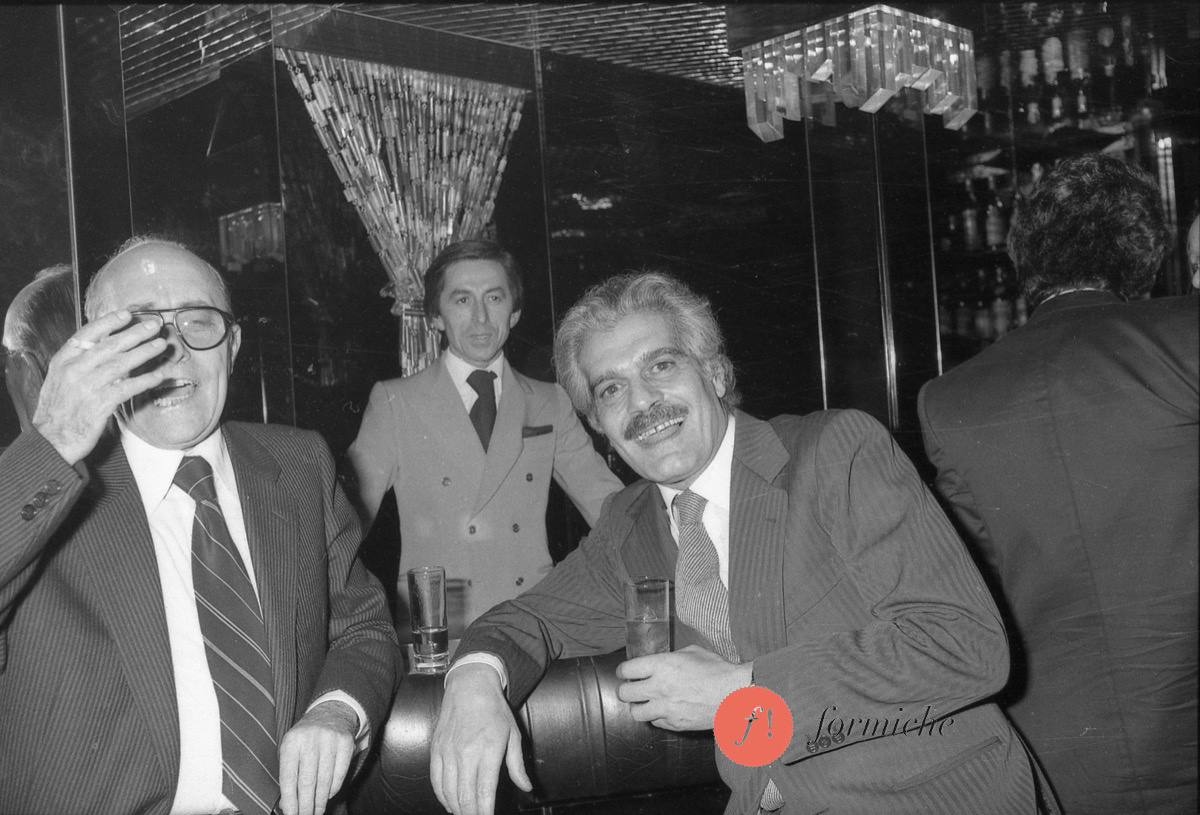
Omar Sharif and Lello Bersani.
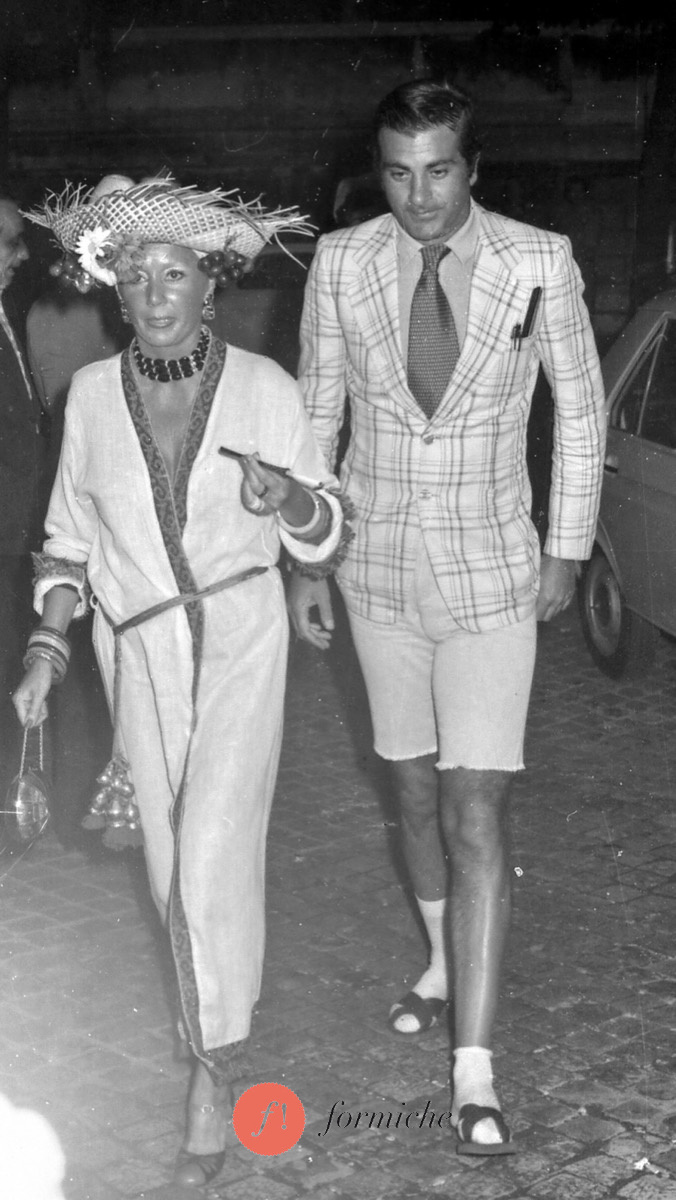
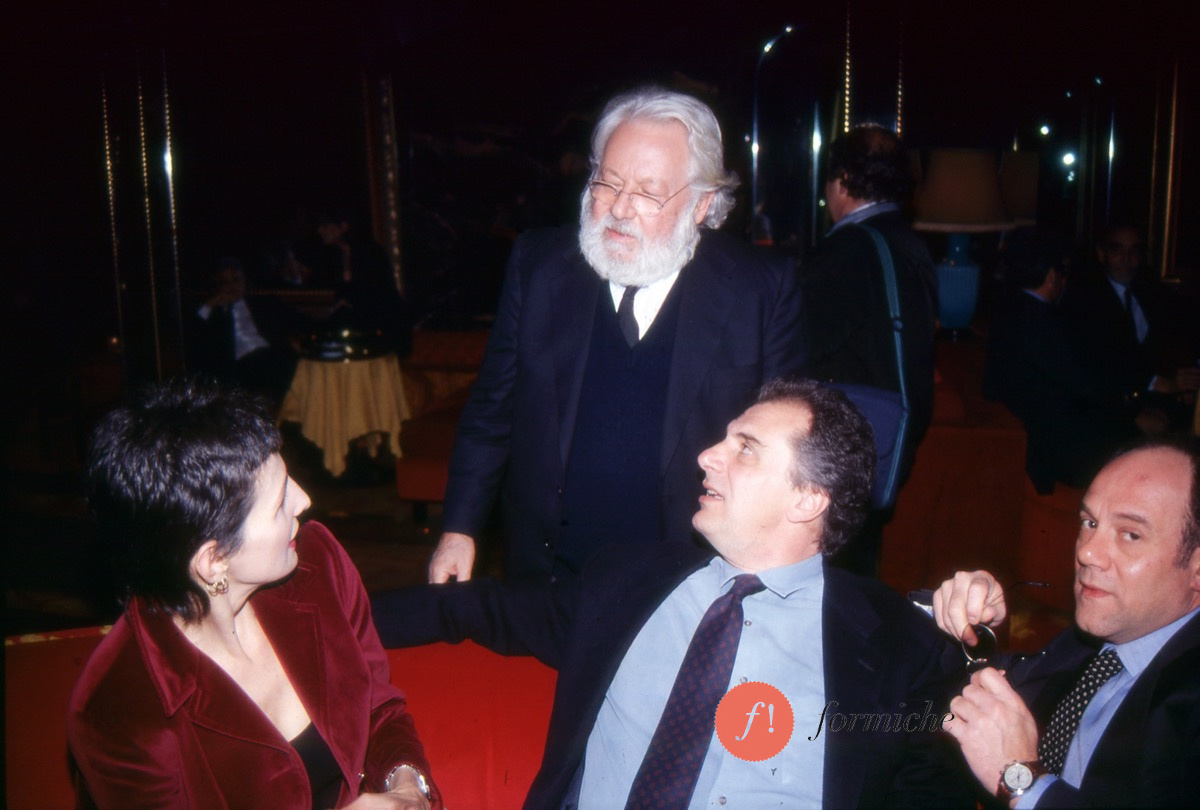
Paolo Villaggio and Carlo Verdone.
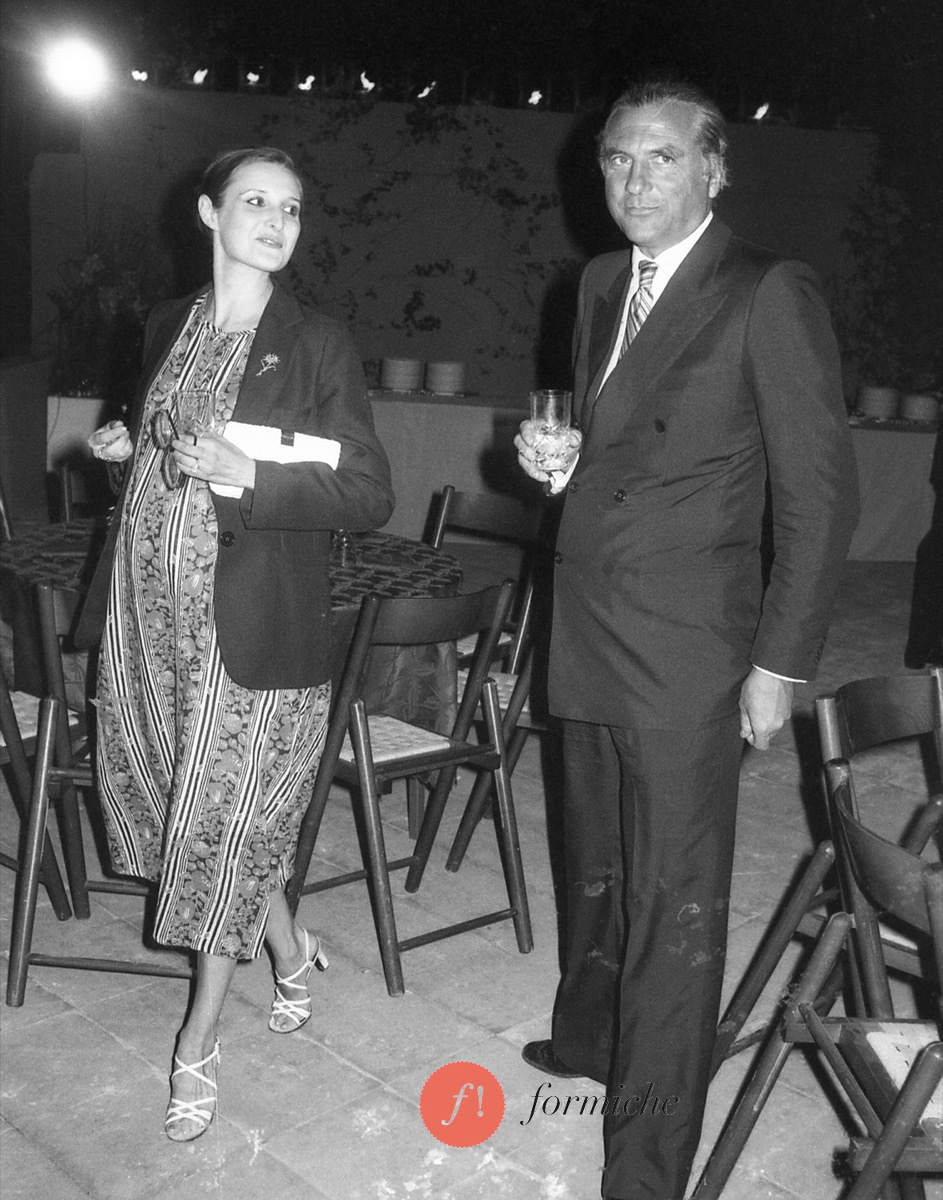
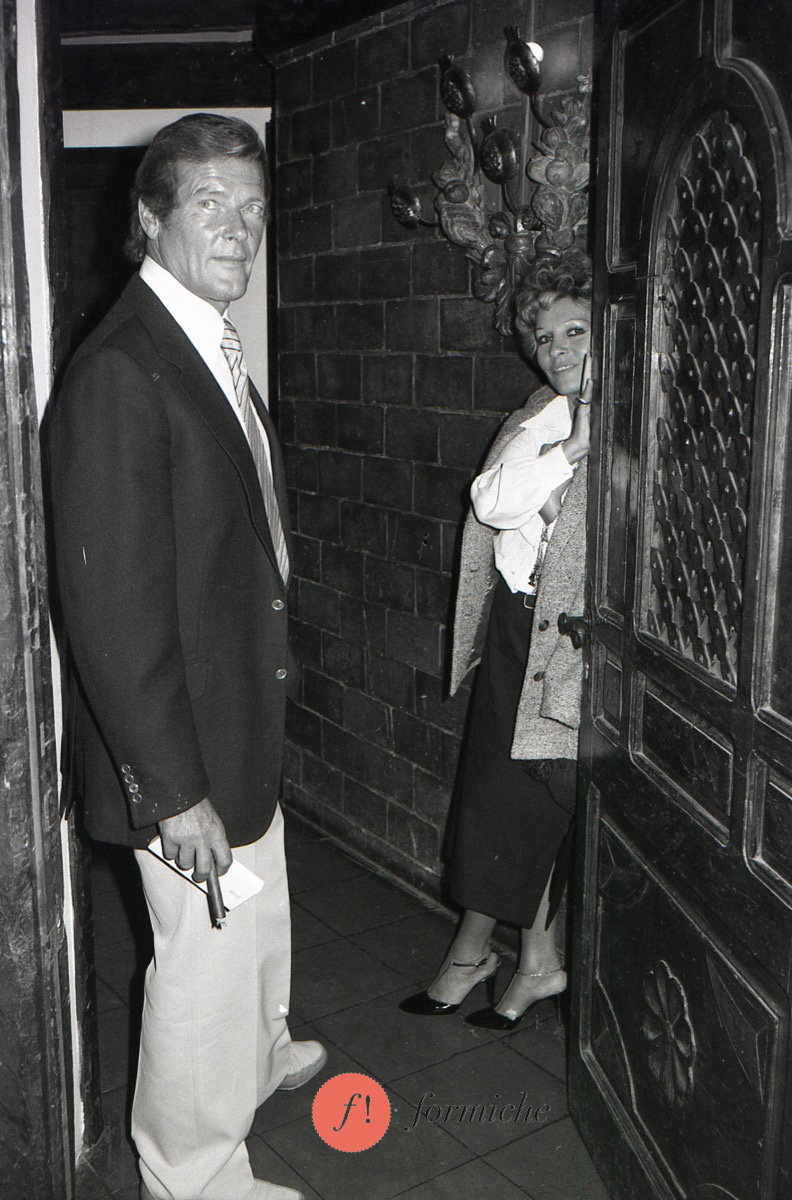
Roger Moore.
Stefania Sandrelli.
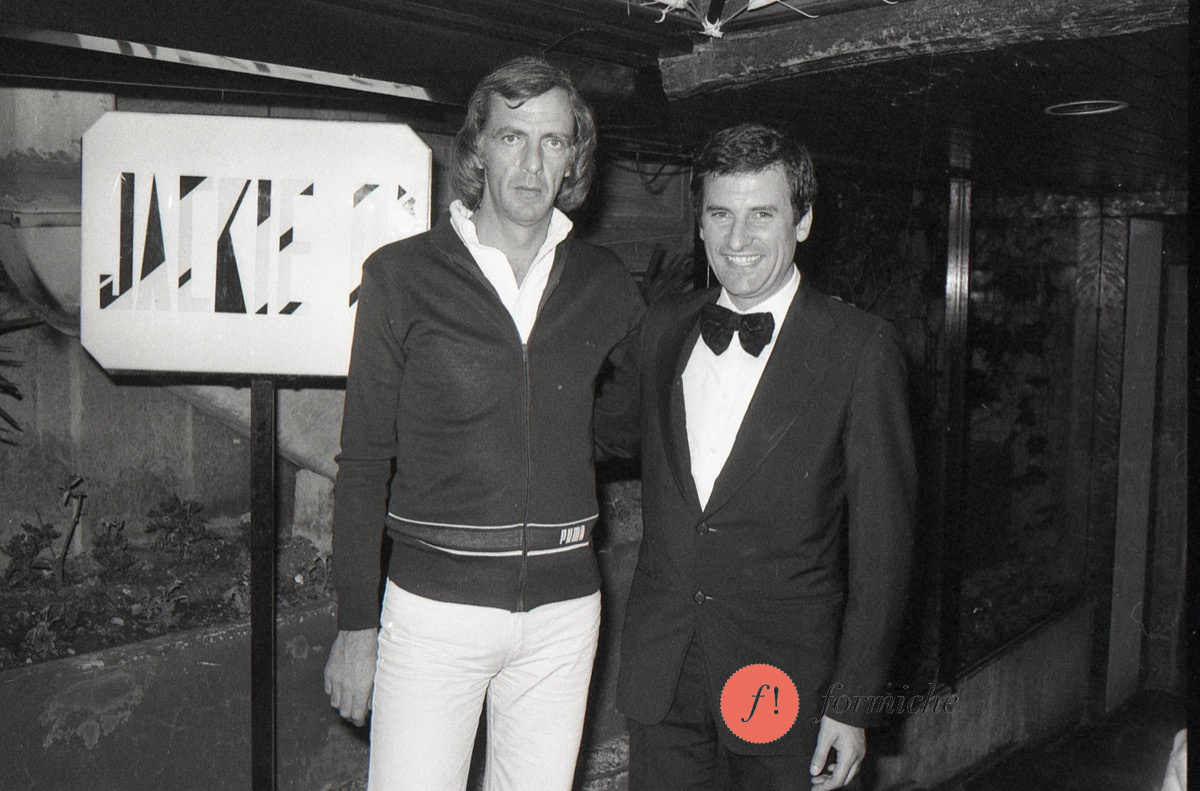
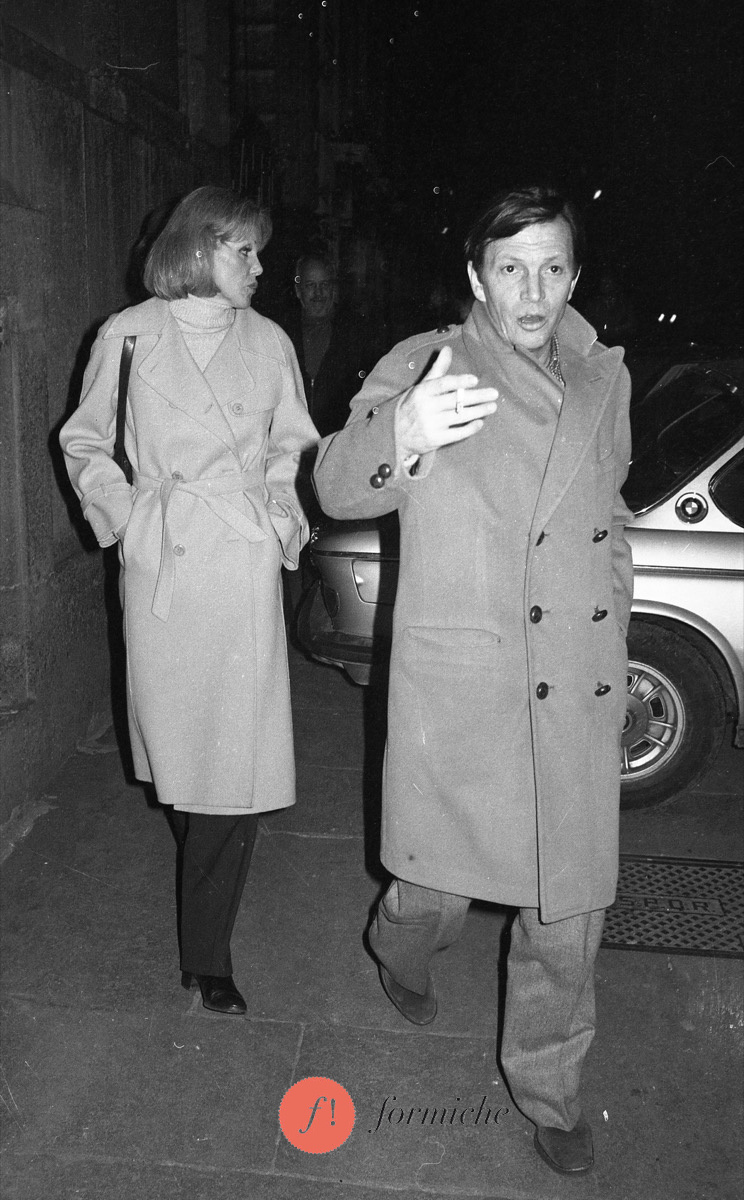
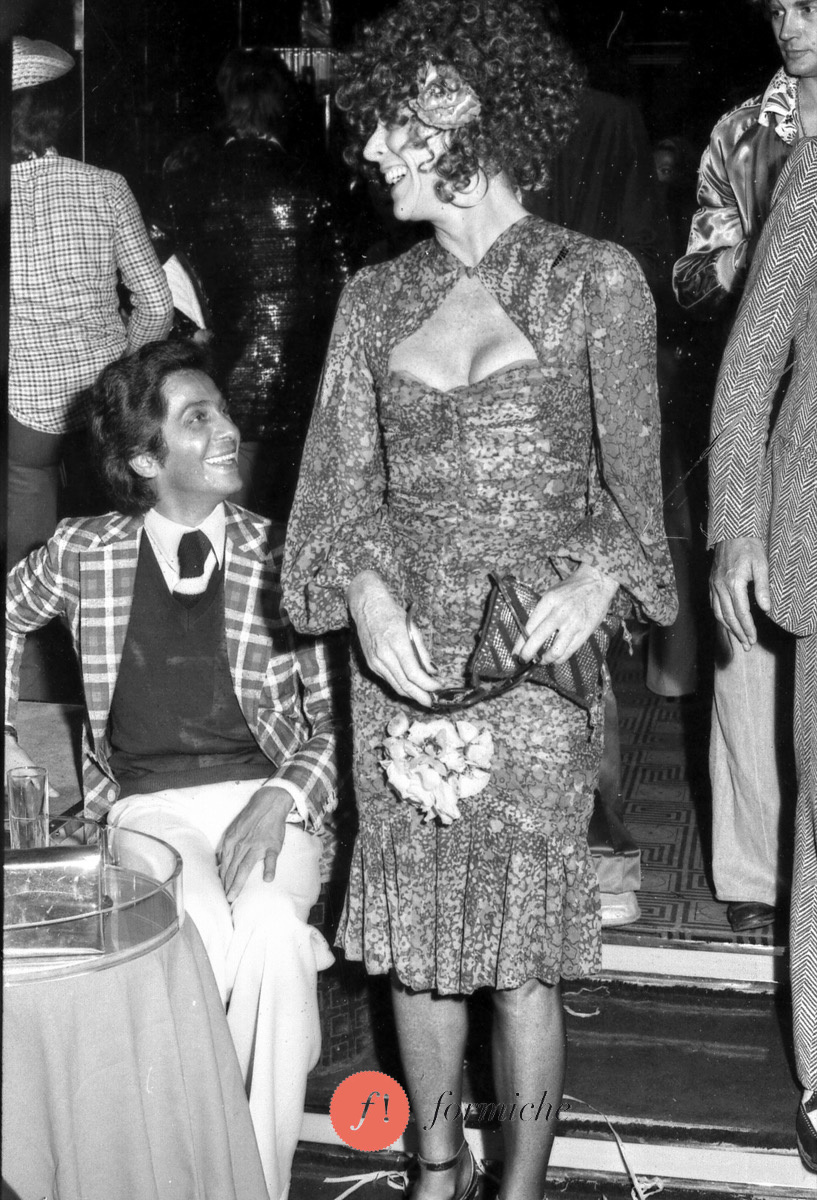
Valentino Garavani.
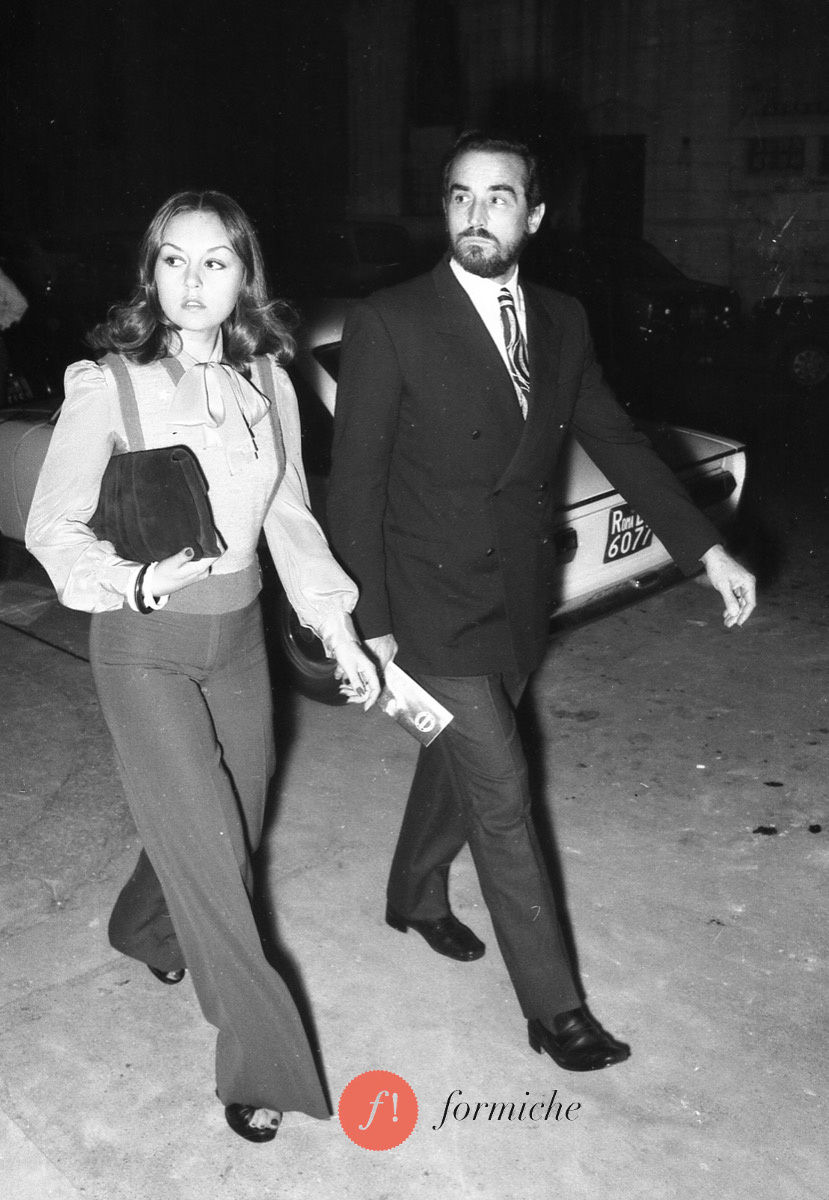
Vittorio Gassman.
Videos
Comments
Authorize to comment