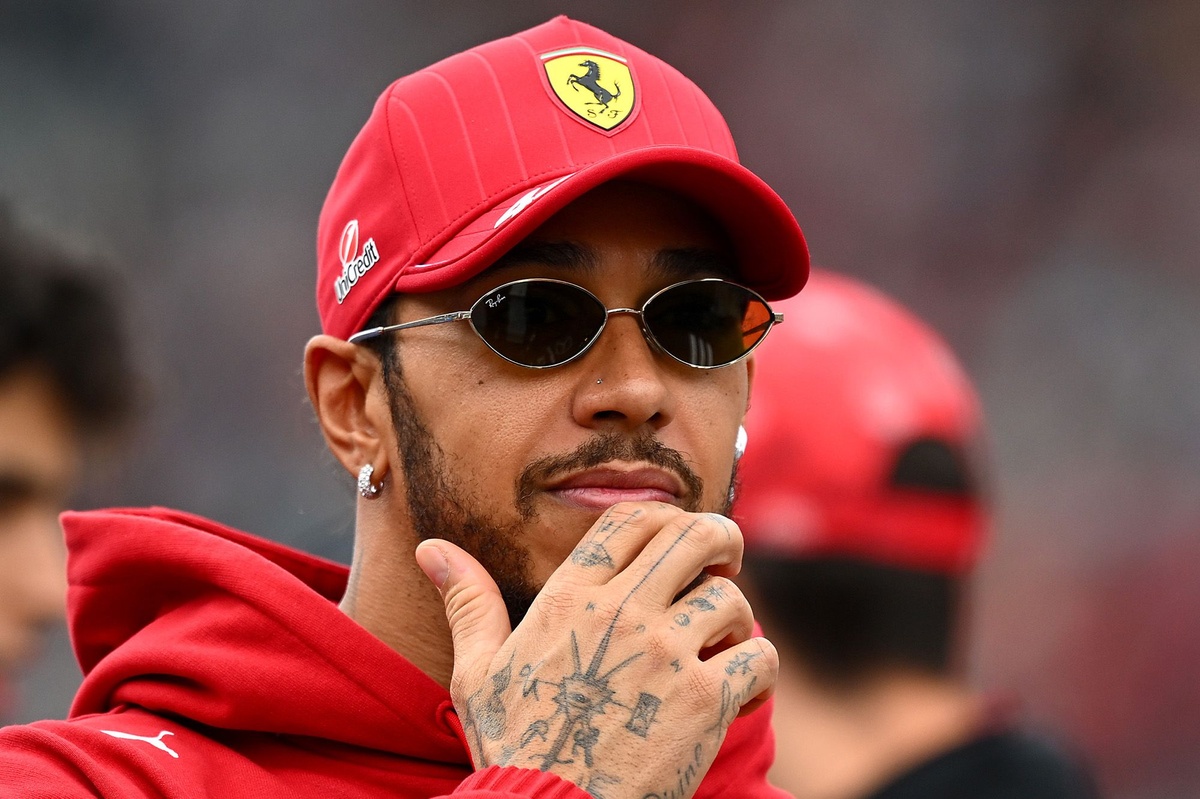
Lewis Hamilton.
When Lewis Hamilton finally completed his long-awaited move to Ferrari in 2025, it looked like the perfect marriage between a proven champion and the most storied team in Formula 1.
The idea was for the seven-time world champion to chase his elusive eighth title while clad in red, however, as the 2026 season progresses, the narrative has turned into one of struggle, sparking debate about Hamilton’s future at Maranello and even in the sport itself.
His tense head-to-head battle with teammate Charles Leclerc has been particularly revealing, with Hamilton frequently second-best to the younger Monegasque driver in both qualifying and race pace.
Indeed, despite being listed among the early favourites to win the Drivers’ Championship outright on the F1 betting platforms listed on MansionBet Canada, Hamilton now finds himself well out of the reckoning, with Leclerc and others outclassing the 41-year-old.
Hamilton and Ferrari: conversations about decline
More than one respected voice in the paddock has been addressing the Hamilton question, with some viewing current developments as the natural cycle that comes towards the end of any driver’s career.
Former Mercedes and Ferrari engineer Aldo Costa, who played key roles in both Michael Schumacher’s and Hamilton’s peak championship-winning eras, had a measured but realistic take on the situation.
Speaking on the ‘Terruzzi racconta’ podcast, Costa said that he hoped Hamilton would achieve his dream eighth title with the Scuderia, however, he also noted that every driver eventually reaches a point where their performance begins to decline.
Ralf Schumacher meanwhile, has been blunter in his assessment. While in conversation on Sky Deutschland’s Backstage Boxengasse podcast, Schumacher suggested that both Hamilton and another veteran, Fernando Alonso (Aston Martin), should consider stepping aside to make way for the next generation at the end of 2026.
That pattern of late decline is a familiar one in Formula 1. Legends like Schumacher, in his Mercedes return, Sebastian Vettel in his later years and Kimi Räikkönen in retirement all faced similar scrutiny.
F1 moves quickly and drivers who stay too long can find themselves outpaced by technology, data-driven approaches and fresh talent who are more fluent in modern simulator work and complex car dynamics.
Regulations Expose Ferrari’s Challenges
The radical 2026 technical regulations have also played their part in Hamilton’s regression. The major changes to chassis and power unit architecture have made for a testing environment for all teams, though Ferrari have been feeling the strain more than most.
While rivals Mercedes have been setting the pace, Ferrari has struggled for consistency. Innovative rotating rear wing concepts were debuted in Miami, though they didn’t have the desired effect with Hamilton placing 6th and Leclerc finishing further down in 8th.
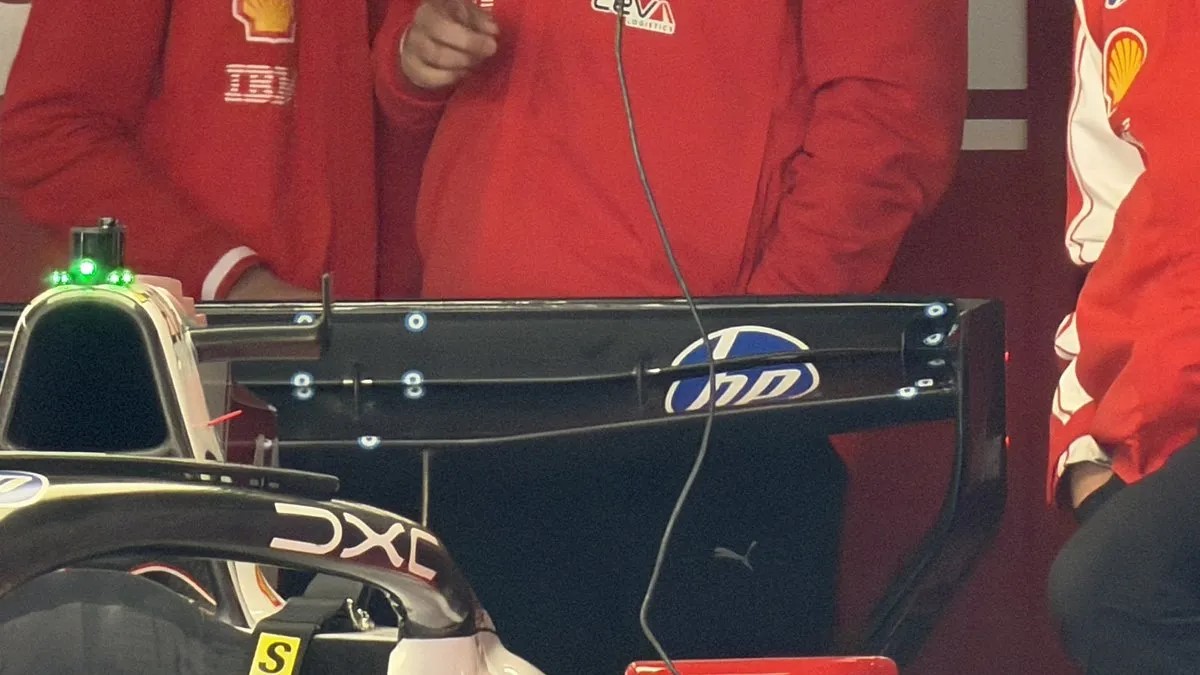
FIA inspects Ferrari's Macarena wing ahead of Miami Grand Prix.
In the aftermath, former Ferrari race engineer Rob Smedley even described the outcome as “soul-destroying”, highlighting the ongoing issues with the correlation between simulation tools and real-world track performance.
These setbacks have forced the team to divert crucial resources towards troubleshooting and patchwork rather than pure development, leading to a situation of real frustration.
In the face of all that and the personal criticism aimed in his direction, Hamilton has still produced some highlights this season, like his podium finish in China (3rd), though consistency continues to elude him. Indeed, Hamilton hasn’t secured a Grand Prix victory since his triumph in Belgium in 2024.
Hamilton’s Contract Situation and Future Outlook
Despite the difficulties, an immediate retirement doesn’t feel like it’s on the horizon for Hamilton. His deal with Ferrari is said to include performance-related evaluation points and the partnership has the potential to extend into an ambassadorial role beyond his driving career.
The team continues to plan around both Hamilton and Leclerc for the immediate future, although prospects like Oliver Bearman have been muted as potential successors from 2028 onward.
From a personal perspective, Hamilton has been candid about the situation, admitting to tough moments and periods of self-doubt after difficult weekends at the track.
His massive off-track influence and global appeal as an instantly recognisable superstar continue to benefit both Ferrari and the sport as a whole too.
Hamilton’s move to Maranello has undeniably increased global interest in Formula 1, even if on-track results have not yet matched the pre-season buzz that accompanied the switch.
The central question now is whether Hamilton can find a way to rediscover his edge or whether we really are witnessing an inevitable decline and the beginning of the end of his front-line career. Ferrari’s ability to resolve its technical problems will, of course, play a decisive role in how Hamilton’s final chapter unfolds.


Comments
Authorize to comment